

Can Adults Get Braces? A Complete Guide to Teeth Straightening After 25

MDS - Orthodontics, a senior dental specialist with 25 years of focused clinical expertise in orthodontics known for delivering high-precision results.
Updated on November 13, 2026
Can Adults Get Braces?
Yes, adults can get braces. There is no fixed upper age limit for orthodontic treatment, provided the teeth, gums and supporting bone structures are healthy enough to undergo tooth movement.
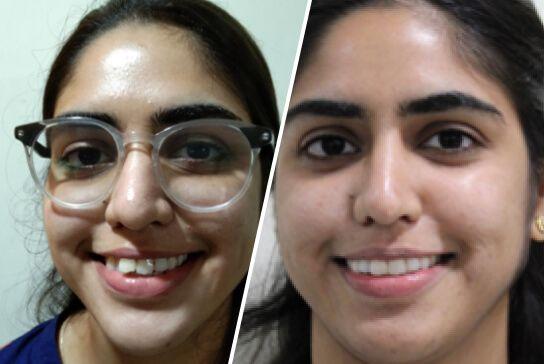
Many people postpone orthodontic treatment during their teenage years because of financial constraints, personal circumstances or a lack of awareness. As adults, they may become more conscious of crowded teeth, gaps, protruding teeth or changes in their bite.
The important thing to understand is that teeth can move at any age. Orthodontic treatment works by applying controlled forces to the teeth, stimulating changes in the surrounding bone that allow them to gradually move into their planned positions.
However, adult orthodontics requires careful assessment. Since the jawbones have completed their growth, treatment cannot rely on guiding natural jaw development. Instead, the orthodontist must consider existing dental conditions, bone support and the extent of misalignment before recommending an appropriate treatment plan.
Why Do Adults Consider Getting Braces?
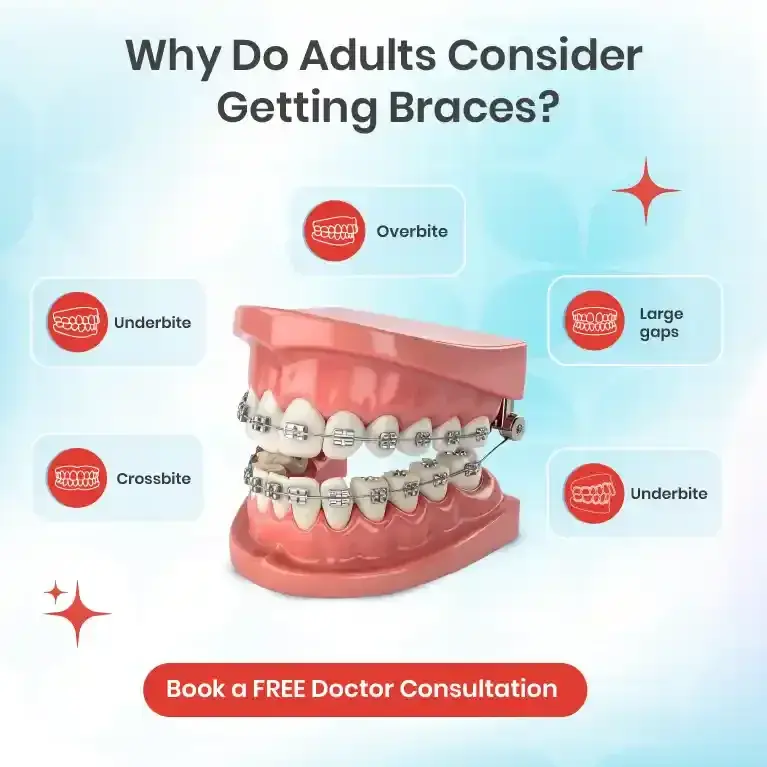
Braces for adults can be for both functional and aesthetic reasons. Some common concerns include:
Crowded or crooked teeth: Overlapping teeth can make brushing and flossing difficult, increasing areas where plaque can accumulate.
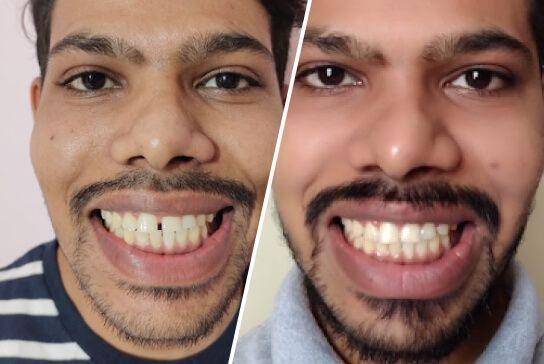
Gaps between teeth: Excessive spacing may affect bite distribution and sometimes indicate underlying dental or periodontal concerns.
Overbite or underbite: Incorrect positioning of the upper and lower teeth can affect how the jaws meet during biting and chewing.
Protruding teeth: Forwardly positioned teeth may affect facial aesthetics and, in some cases, increase their vulnerability to accidental injury.
Relapse after previous braces: Teeth can gradually shift over time, particularly when retainers are not worn as prescribed.
Orthodontic treatment is not simply about achieving straighter teeth. Correcting alignment and certain bite problems can make oral hygiene easier, improve chewing function and reduce uneven tooth wear.
Is It More Difficult to Get Braces as an Adult?
Adult orthodontic treatment can be more complex, but that does not mean it is less effective.
Adults may have existing dental restorations, missing teeth, gum recession, or a history of periodontal disease. These factors need to be considered before treatment begins. For example, active gum disease must be treated and stabilized before orthodontic forces are applied. Similarly, untreated cavities and other dental infections should be addressed before starting treatment.
Therefore, the complexity of treatment depends more on an individual's dental condition and the nature of misalignment than on chronological age alone.
What Are the Different Braces Options Available for Adults?
Adults today have several orthodontic options. The appropriate choice depends on the type of correction required, lifestyle preferences and clinical suitability.
1. Traditional Metal Braces
Metal braces consist of brackets attached to the teeth and connected by orthodontic wires. The orthodontist periodically adjusts these wires to apply controlled pressure and move teeth.
They are suitable for a wide range of alignment and bite-related problems, including many complex cases. However, their visible appearance and certain dietary restrictions may be concerns for adults who prefer a discreet treatment option.
2. Ceramic Braces
Ceramic braces work on the same principle as metal braces but use tooth-coloured or transparent brackets. They are less noticeable than conventional metal braces.
They may be suitable for adults who want a fixed orthodontic appliance with a more subtle appearance. However, ceramic brackets require appropriate care and can be more prone to staining or breakage.
3. Clear Aligners
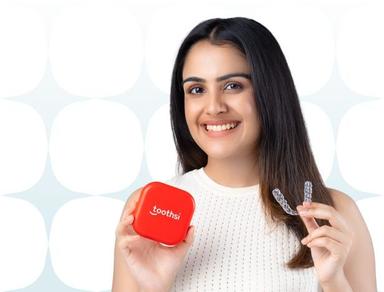
Clear aligners are transparent, custom-made trays designed to gradually move teeth into their planned positions. Each set is created according to an individualised digital treatment plan. Unlike fixed braces, aligners can be removed while eating, drinking anything other than water, brushing and flossing. This makes maintaining oral hygiene more convenient.
Toothsi offers customised clear aligner treatment using 3D dental scans and orthodontist-supervised treatment planning. Patients can book a free consultation and 3D scan at home or visit an experience centre.
The aligners are designed to be worn for approximately 20–22 hours daily, with virtual and in-person monitoring and support throughout treatment. However, clear aligners are not suitable for every orthodontic condition. A clinical assessment is necessary to determine whether they can achieve the desired tooth movements safely and predictably.
Can Adults With Existing Dental Problems Get Braces?
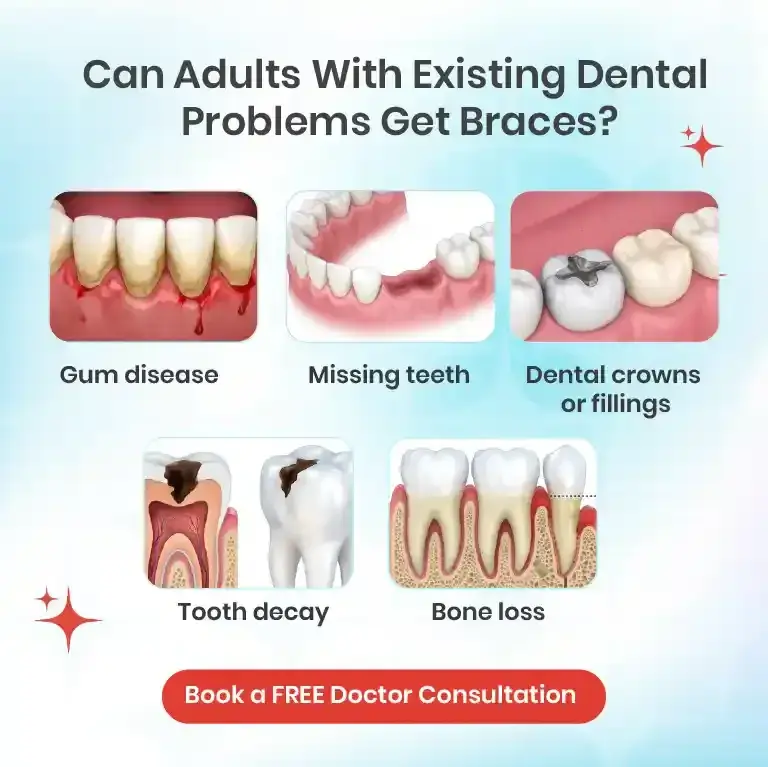
Having an existing dental condition does not automatically disqualify someone from orthodontic treatment. However, certain conditions require attention before teeth can be moved.
Gum disease: Active periodontal disease must be treated and stabilised before orthodontic treatment.
Missing teeth: Treatment planning must account for available spaces, neighbouring teeth and possible future restorations.
Dental crowns or fillings: Existing restorations need to be evaluated to determine how orthodontic appliances can be safely attached.
Tooth decay: Cavities should be treated before starting orthodontic treatment.
Bone loss: Reduced bone support may require modified treatment mechanics and closer periodontal monitoring.
A comprehensive dental examination helps establish whether orthodontic treatment is appropriate and what precautions may be necessary.
How Long Does Adult Orthodontic Treatment Take?
Treatment duration varies depending on the severity of misalignment, the type of appliance used and how consistently the patient follows the treatment plan.
Mild alignment concerns may take several months, while more complex bite corrections can require 18–24 months or longer.
With Toothsi, treatment duration generally ranges from six months to two years, depending on individual case complexity. Not wearing aligners for the prescribed duration can affect tooth movement and delay progress.
After active treatment, retainers are essential to maintain the corrected tooth positions. Without proper retention, teeth can gradually shift towards their previous positions.
How Much Do Braces Cost for Adults in India?
The cost of adult orthodontic treatment depends on the severity of misalignment, treatment duration, appliance type and the clinical expertise required.
Traditional metal braces and ceramic braces have different pricing structures. Clear aligners are also priced according to the complexity of the case and the number of aligners required.
Toothsi clear aligner treatment pricing currently starts at ₹52,999, with the final cost determined after an orthodontic assessment. EMI options are also available, starting at ₹1,499 per month, as listed on its official website.
Are Clear Aligners a Good Option for Working Adults?
For working professionals, appearance, convenience and treatment flexibility are often important considerations.
Clear aligners offer a discreet alternative to fixed braces, particularly for people who regularly attend meetings, interact with clients or prefer not to wear visible orthodontic appliances.
Toothsi addresses some of these practical concerns through:
- Free consultation and 3D scanning: Patients can arrange a scan at home or visit an experience centre.
Customised treatment planning: Digital scans are used to create personalised treatment plans.
Convenient monitoring: Virtual and in-person monitoring and support are available through Toothsi's treatment ecosystem.
Removable trays: Aligners can be removed while eating and maintaining daily oral hygiene.
Manufacturing standards: Toothsi manufactures its aligners at its own 3D printing facility in India. Its website states that the aligners are US FDA 510(k)-cleared.
These features make clear aligners a convenient option for eligible adults who want to incorporate orthodontic treatment into their daily routines. However, convenience should never replace clinical suitability. The treatment method must always be selected after an orthodontic assessment.
Final Thoughts
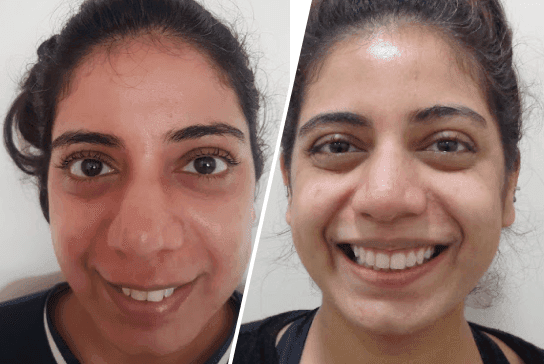
Getting braces as an adult is entirely possible, and age alone should not prevent someone from seeking orthodontic treatment. Whether the concern is crowded teeth, spacing, an incorrect bite or relapse after previous treatment, several options are available today.
The first step is to understand the underlying dental condition through a proper clinical examination. An orthodontist can then recommend traditional braces, ceramic braces or clear aligners based on individual treatment requirements.
With customised treatment planning, professional supervision and consistent follow-up, adults can work towards better dental alignment and long-term oral health at almost any stage of life.