
- ToothsiSmile CorrectionBrighter smilenewToothsi Productsnew
- Skin & HairLaser hair removalnewestAdvance skin treatmentfacials



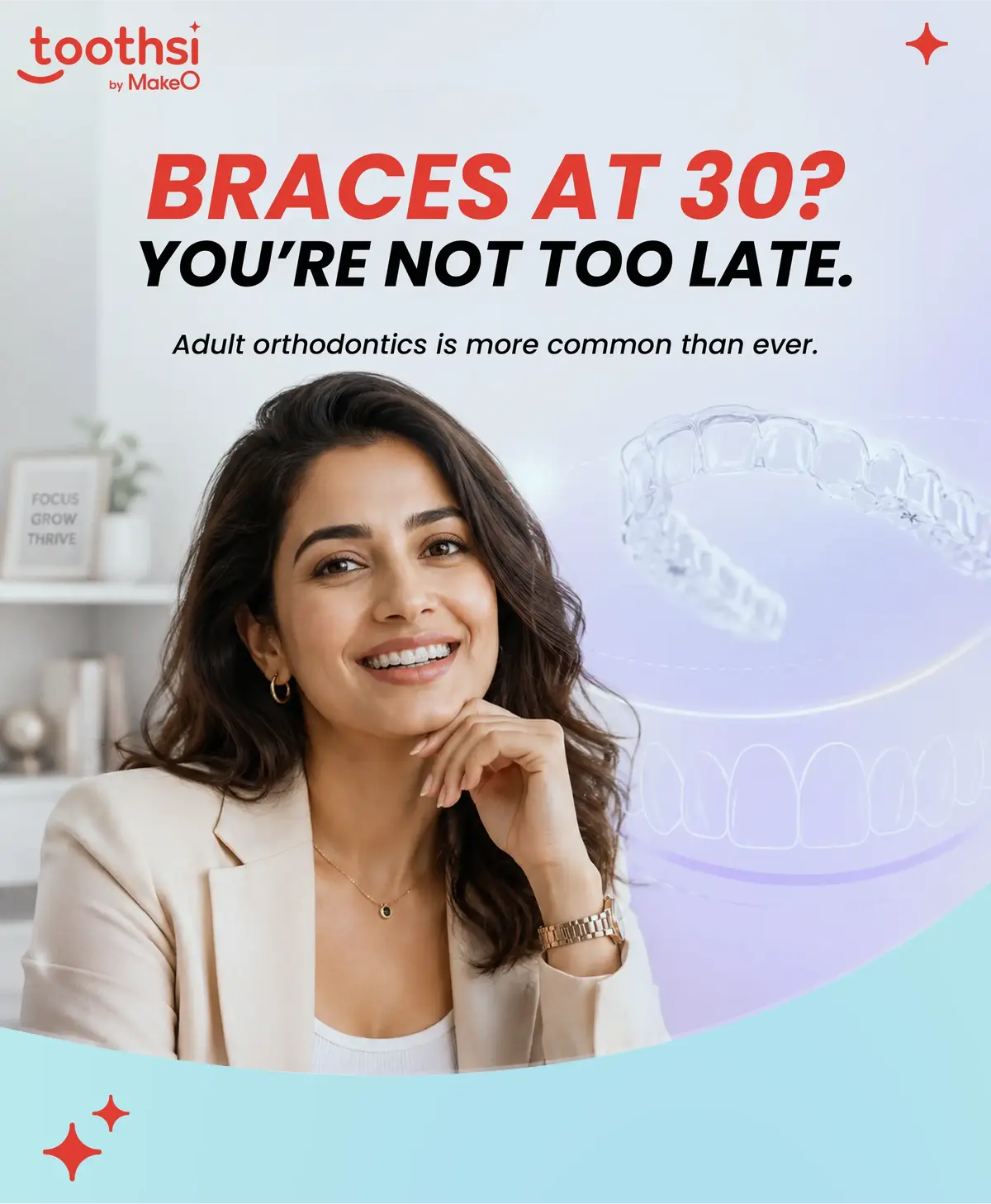
Can You Get Braces at 30?

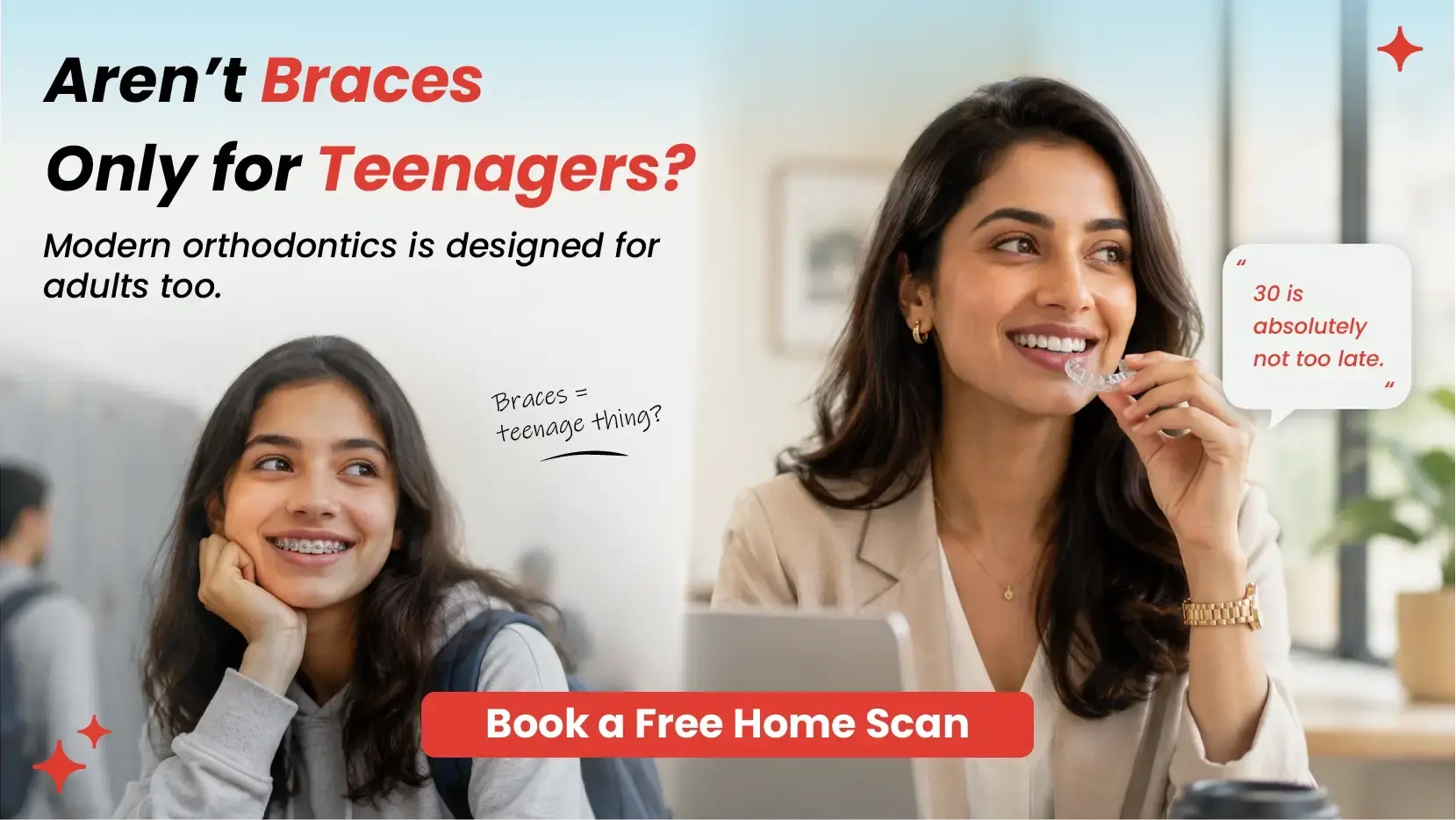
Still wondering, “Did I miss the right age for Braces? " Worry not, you are not alone. Many adults in their 30s hesitate to start Braces Treatment because they assume orthodontic care is only meant for teenagers. But the reality is very different. Today, more adults than ever are choosing orthodontic treatment to improve their smile, confidence, bite alignment, and long-term oral health.
The good news is that 30 is absolutely not too late for braces. In fact, orthodontists regularly treat adults in their 30s, 40s, and even beyond. Modern braces treatment options, such as ceramic braces and clear aligners, have also made braces treatment far more discreet and comfortable for working professionals and adults.
What matters more than age is the condition of your gums and supporting bone. Before starting orthodontic treatment, an orthodontist evaluates your oral health to ensure your teeth can move safely and effectively. As long as your gums and bone structure are healthy, age alone is rarely a limitation.
Book a free home scan and get the best braces treatment options for your smile.
Why More Adults Are Getting Braces in Their 30s?
Missed Treatment Earlier
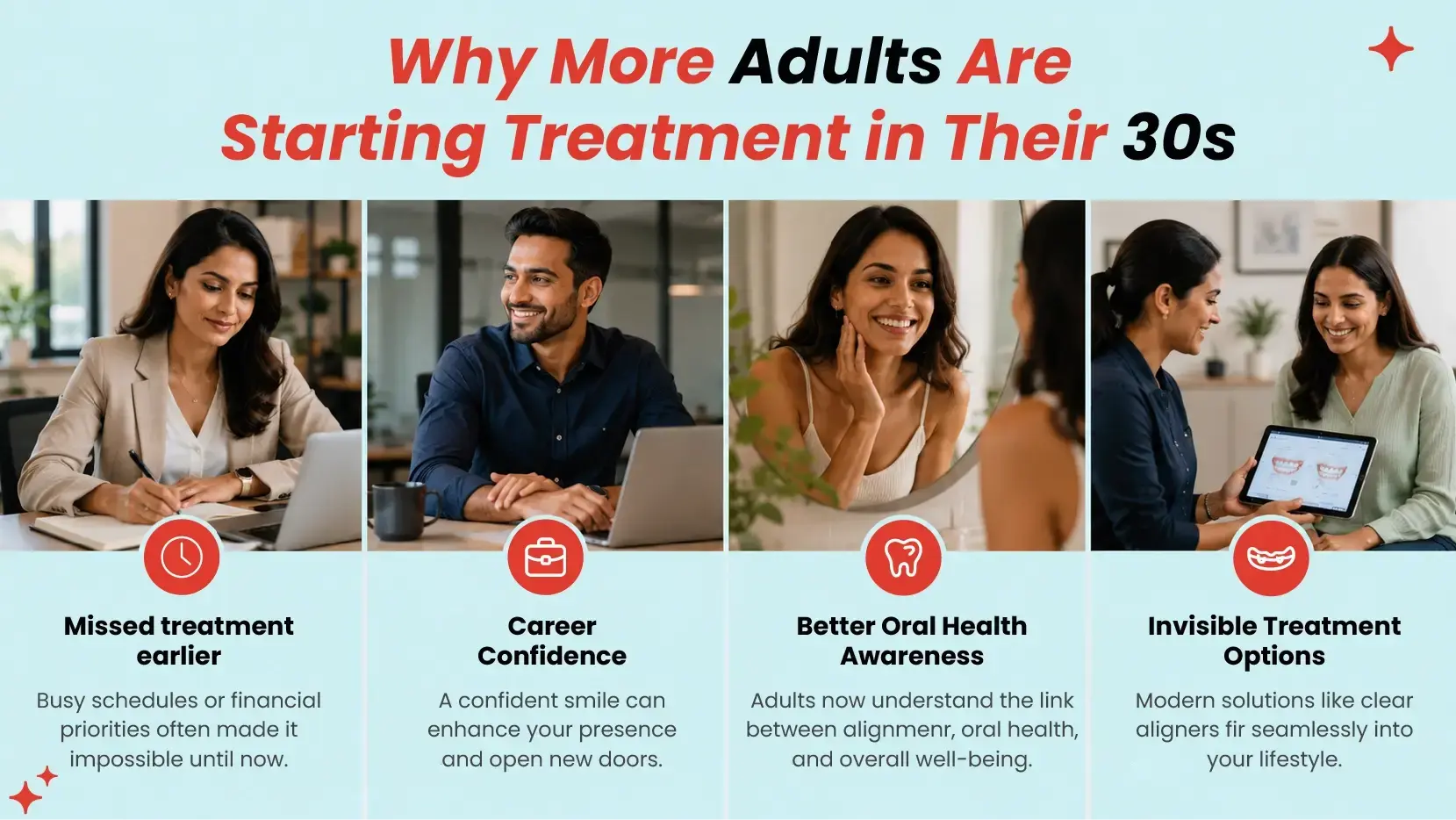
Today, many adults are choosing Orthodontic Braces in their 30s simply because they didn’t have the opportunity earlier. This could be due to either financial constraints, lack of awareness, or limited access to orthodontic care during their teenage years.
Now, with better access to dental care and flexible payment options, people are moving toward braces treatment, which they once postponed. Studies and expert insights confirm that age is not a limiting factor; with proper orthodontic planning, you can still safely move teeth even after 30.
Career/Social Confidence
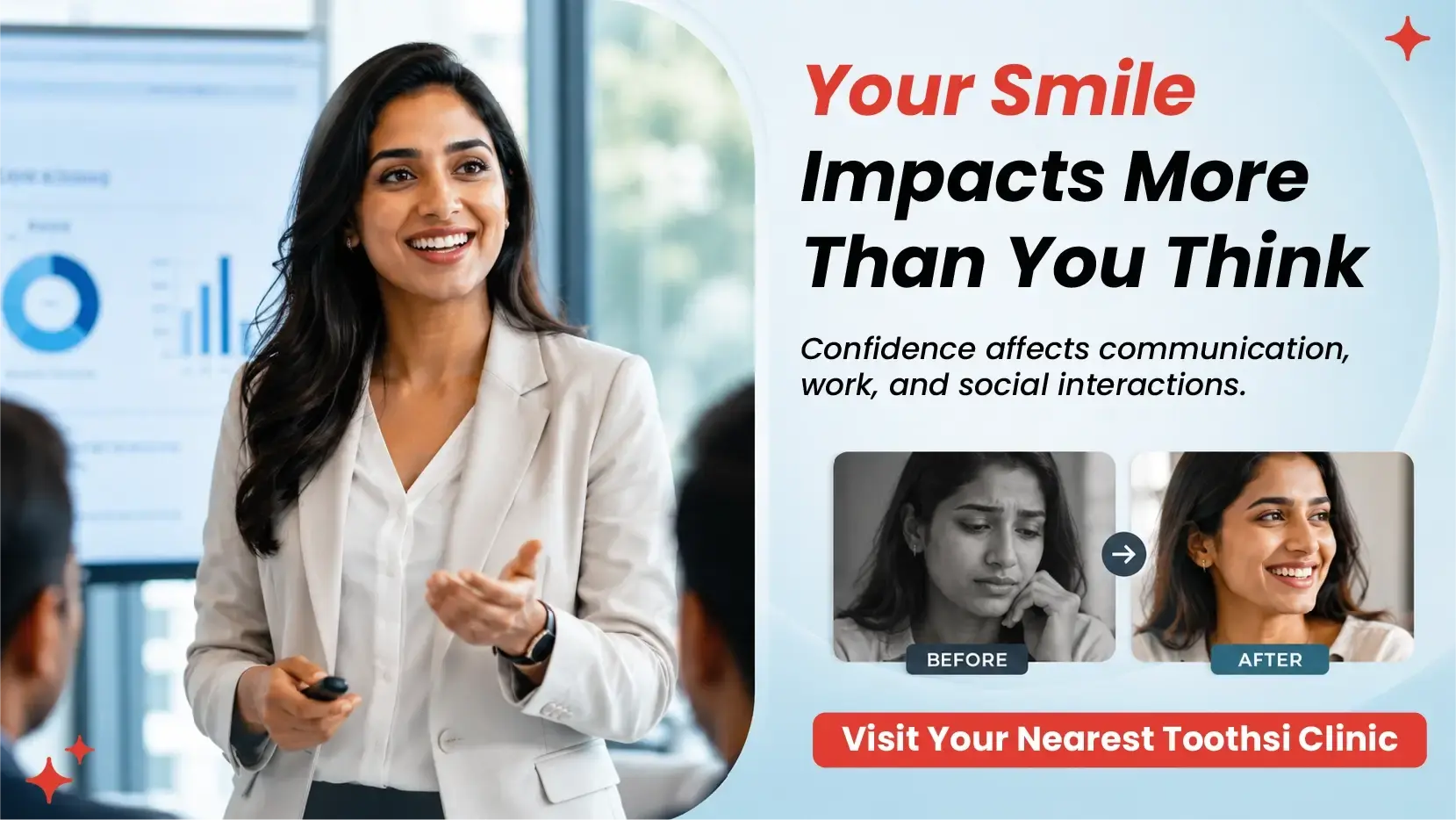
In our 30s, confidence tends to become more closely related to both personal and professional growth. Many adults report that misaligned teeth affect how they smile, speak, and present themselves in social or workplace settings.
This is a major reason why braces treatment is no longer considered just cosmetic; it’s an investment in self-confidence. Straight teeth can positively influence first impressions, communication, and overall self-esteem.
Availability of Discreet Options
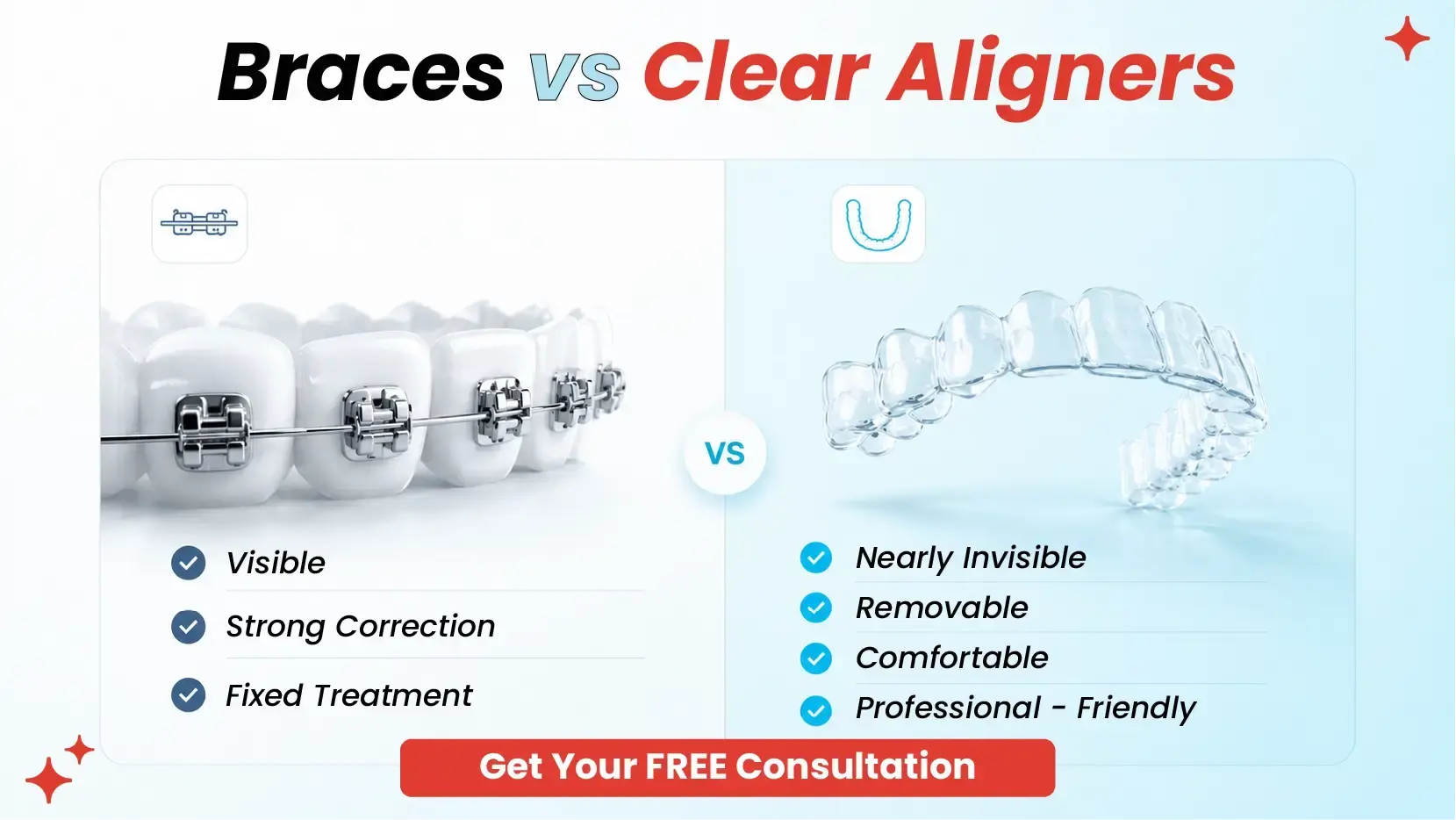
One of the biggest reasons adults in their 30s are saying yes to braces treatment is the availability of modern, subtle solutions. Invisible braces (clear aligners) have become especially popular among working professionals because they are:
- Nearly invisible
- Removable for eating and brushing
- More comfortable for daily life
This shift in technology has removed the biggest hesitation adults had: about visibility. As a result, more people in their 30s are confidently opting for orthodontic treatment without worrying about how it looks.
Awareness of Long-Term Oral Health
Another big shift is awareness. Adults in their 30s today are more informed and eager to learn about how misaligned teeth can impact long-term oral health. Issues like crowding, bite problems, and uneven wear can lead to:
- Difficulty maintaining oral hygiene
- Higher risk of cavities and gum disease
- Jaw discomfort or bite issues
Orthodontic braces help correct these problems, making teeth easier to clean and improving overall function, not just appearance.
Braces vs. Aligners: What is the Best Option for Misaligned Teeth?
In their 30s, adults have multiple options for brace treatment, depending on their dental concerns, lifestyle, and aesthetic preferences. From traditional Orthodontic Braces to modern invisible braces, treatment has become more comfortable and discreet than ever.
What is the Cost of Braces Now?
The cost of Teeth Braces ranges from ₹35,000 to ₹90,000, though the price may vary based on the complexity of the case and treatment, while the price of invisible aligners starts at ₹52,999 with additional student discounts and flexible EMI options.
Does Braces Treatment Take Longer at 30?
Orthodontic Treatment at 30 is definitely effective, but challenges may make braces uncomfortable over time.
- Slightly slower than teens (but not drastic)
Yes, dental braces treatment in your 30s can take slightly longer than in teenagers, mainly because adult bones are denser and no longer growing. Teeth still move effectively, but the biological response is generally a bit slower. (But nothing to worry, your teeth can absoluetly be aligned!)
However, the difference is usually not drastic. With modern orthodontic techniques and proper planning, adults can still achieve excellent results within a predictable timeframe.
- Time is a factor in the case
The duration of treatment depends more on the complexity of the case than on age alone. On average:
- Mild alignment issues: around 6 to 12 months
- Moderate cases: 12 to 18 months
- Complex bite corrections: 18 to 24 months or longer
For many adults in their 30s, the average timeline for orthodontic treatment is 12 to 24 months. Cases treated with invisible braces or Clear Aligners may sometimes be completed faster for mild corrections.
- Importance of consistency
Consistency is another key aspect of braces treatment, and it is necessary for treatment speed. Adults who follow instructions carefully often stay on track despite slightly slower tooth movement.
To avoid delays, orthodontists usually recommend:
- Wearing aligners for the prescribed hours daily, which is 20 to 22 hours
- Attending regular dental appointments
- Maintaining good oral hygiene
- Avoiding habits that may damage braces or aligners
Patients who are disciplined with their treatment plan often experience smoother progress and more predictable outcomes
What Does the Process Look Like Today?
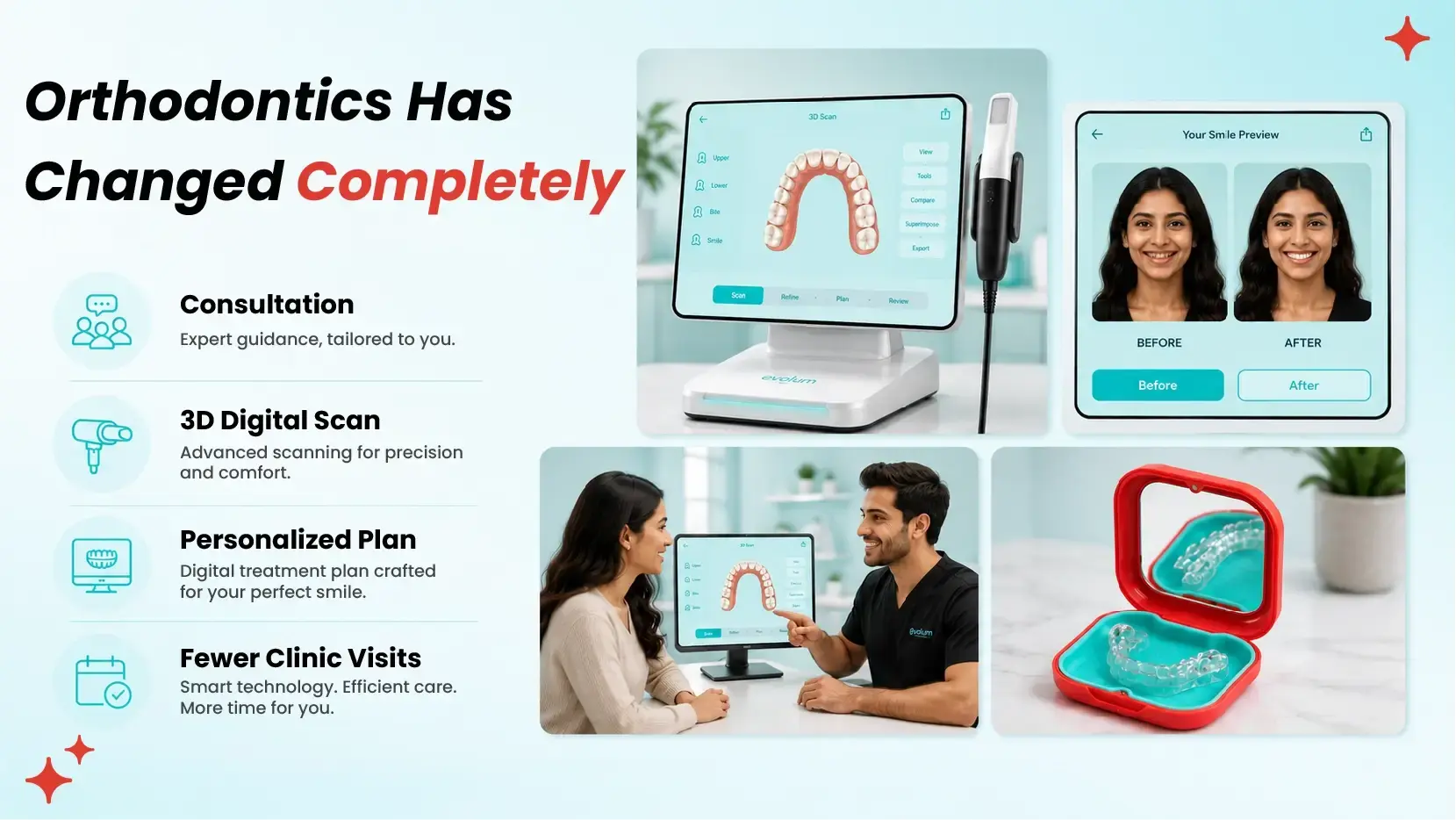
- Consultation: Today, when you visit the dental clinic or book a free home scan, the orthodontist will check your teeth, bite, gums, and overall oral health before starting your braces treatment.
- Digital scans: Modern clinics use 3D scans instead to plan orthodontic treatment more accurately.
- Personalized treatment plan: After careful analysis of the dental condition, professional orthodontists will recommend metal, ceramic, or clear aligners.
- More convenience than before: Modern orthodontic treatment involves fewer clinic visits, better technology, and more comfortable treatment options.
- Easy to manage with busy schedules: Clear aligners and digital monitoring make brace treatment more convenient for working professionals and adults in their 30s.
While braces are the most common orthodontic option, today, many patients opt for clear aligners for their alignment treatment because they are removable, less noticeable, and convenient, and they start at ₹52,999.
Visit your nearest dental clinic to explore personalized orthodontic treatment plans.
FAQs
Can a 30-year-old get braces?
Yes, a 30-year-old can get brace treatment, as there is no upper age limit for brace treatment as long as their teeth and gums are healthy. Many adults today choose orthodontic braces in their 30s to improve smile alignment, bite issues, and oral health.
Are aligners better than braces for adults?
Yes, aligners are better than braces. Adults often prefer invisible braces, also known as teeth aligners, because they are removable, nearly invisible, and convenient for work and social settings. However, traditional orthodontic braces may be more effective for severe crowding, bite correction, or complex tooth movement. An orthodontist can recommend the most effective brace treatment based on your case.
Will braces treatment affect daily life?
Yes, there are possibilities where brace treatment can be a little uncomfortable. especially when eating or speaking. However, most adults quickly adapt and continue their routines as usual. Many working professionals prefer invisible braces or teeth aligners because they fit more easily into daily life and can be removed while eating or brushing.
Can I start braces treatment if I have dental issues?
Yes, but underlying dental concerns such as cavities, gum disease, or tooth infections usually need to be treated first. A dentist or orthodontist will evaluate your oral health before starting orthodontic treatment, such as braces or aligners, to ensure safety and effectiveness. Addressing these issues early can also improve long-term treatment outcomes.
Is it uncommon to get braces in your 30s?
No, getting orthodontic brace treatment in your 30s is completely normal and increasingly common. Adults today are prioritizing both smile aesthetics and oral health. Whether you choose traditional brace treatment or invisible braces, they can help improve alignment, bite function, and confidence at any age
Will my teeth move 20 years after braces?
Yes, teeth can naturally shift over time due to aging or lifestyle habits, even years after completing brace treatment. That is why orthodontists usually recommend wearing retainers after orthodontic treatment to help maintain long-term results and prevent relapse.
Do braces/aligners make you look younger in your 30s?
Straightening your teeth with braces/aligners can improve facial balance, the appearance of your smile, and overall confidence, which may create a more youthful look. Properly aligned teeth often support better lip posture and smile symmetry, helping many adults feel more confident about their appearance after brace treatment.