PRP Treatment

- ToothsiSmile CorrectionBrighter smilenewToothsi Productsnew
- Skin & HairLaser hair removalnewestAdvance skin treatmentfacials


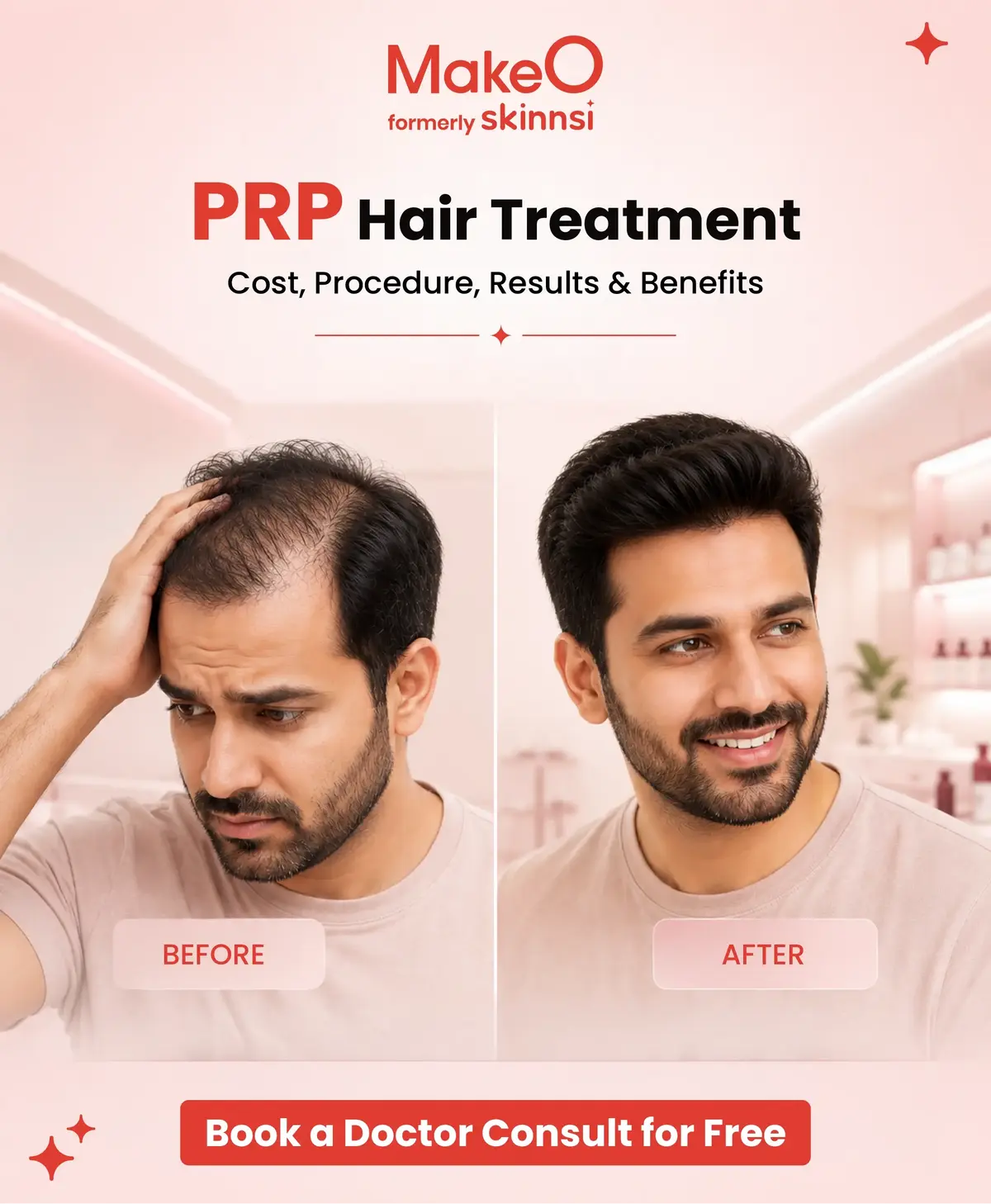
PRP Hair Treatment: Cost, Procedure, Results & Benefits
Are you struggling constantly with hair fall or hair loss? You’ve noticed hair on your pillow and in the shower drain, and you’ve promised yourself you’d do something someday. Someday turned into late-night searches, confusing advice, and a pile of unanswered questions.
It's time for you to get your PRP hair treatment: a simple, science-backed option that uses your blood to wake up tired follicles and coax hair back to life. Whether you’re curious about what to expect during a session, the cost of hair PRP treatment, or the real before-and-after results, this page walks you through the procedure, benefits, and timelines.
Book your appointment for your next big hair transformation with MakeO, where advanced PRP hair treatment is guided by experienced hair doctors focused on safe, personalized, and high-quality care.
From scalp analysis to customized treatment plans, MakeO combines expert-led procedures with modern hair restoration solutions to help support stronger, healthier-looking hair with minimal downtime.
Book Your Hair PRP Consultation Today!
What Is PRP Hair Treatment?
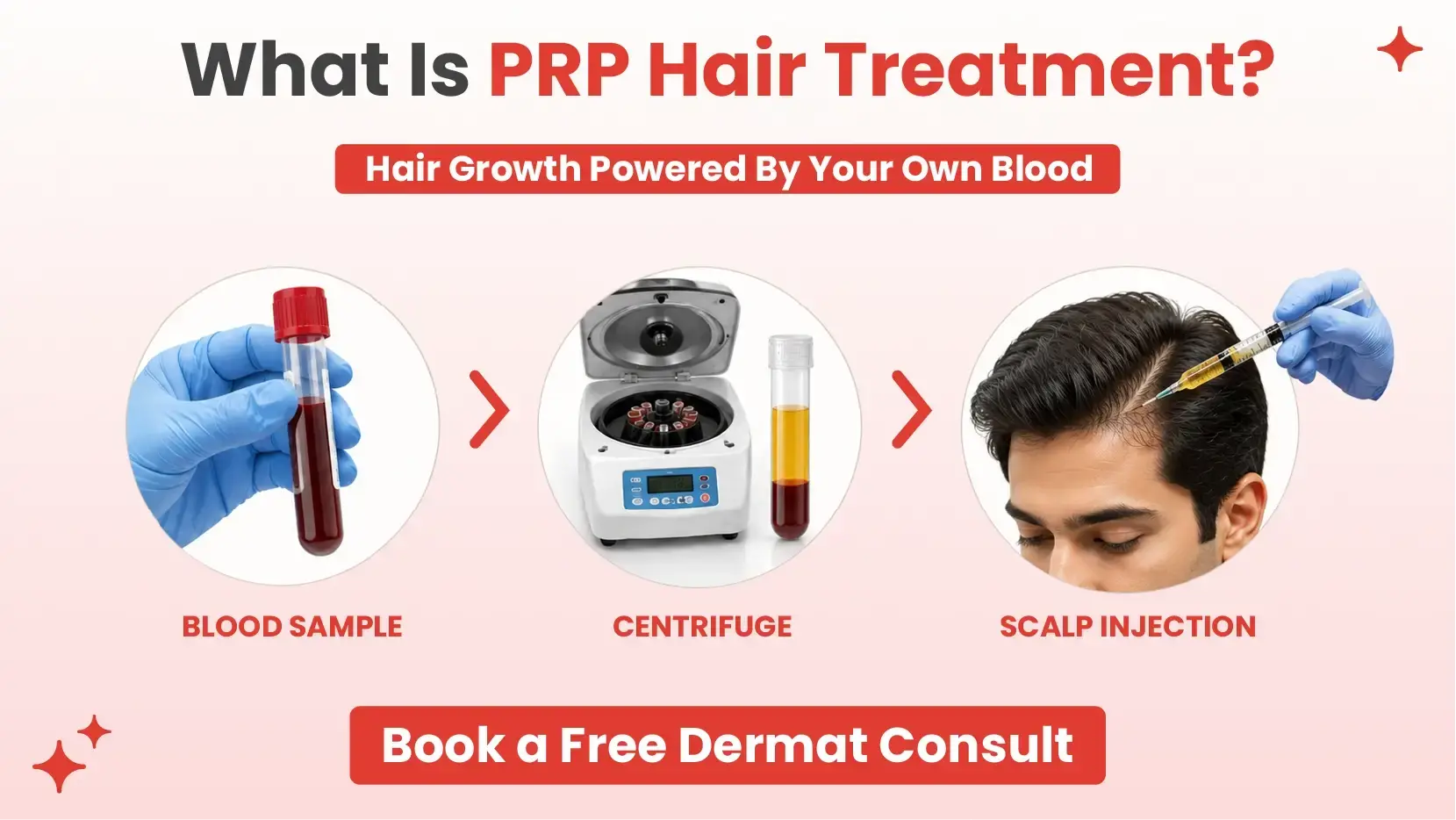
PRP stands for Platelet-Rich Plasma. It is a concentrated part of your blood that contains platelets and growth factors. In hair PRP treatment, this plasma is used to support the scalp and help improve hair health naturally. PRP contains platelets, plasma, and growth factors that support healing and tissue repair.
What is the use of platelets in regenerative treatment?
In regenerative treatment, platelets help stimulate the body’s natural healing process. This is why PRP hair treatment is used to support hair fall and thinning.
Benefits of PRP Hair Treatment
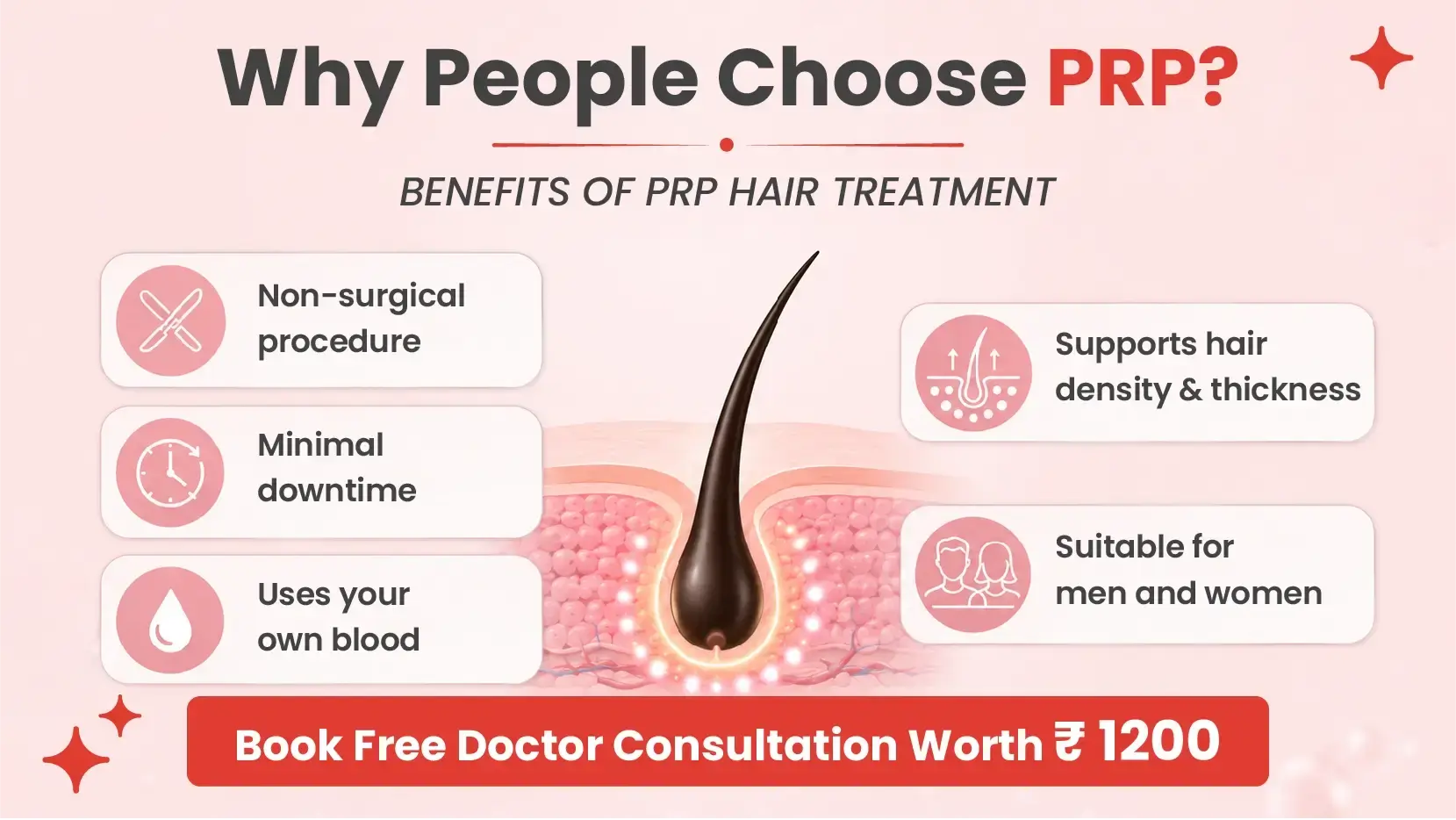
PRP hair treatment is a non-surgical hair restoration option that uses the healing components of your blood to support hair growth. In hair PRP treatment, a small sample of your blood is taken, processed to concentrate platelets, and injected into areas of hair thinning on the scalp.
Below are some benefits of hair PRP treatment that can help you choose the right treatment plan for hair loss:
1. Non-surgical procedure
One of the biggest benefits of hair PRP treatment is that it is a non-surgical procedure, which means no surgery is involved. This makes it one of the most comfortable options for people seeking a minimally invasive approach to managing hair loss or hair restoration.
2. Minimal downtime
As hair PRP is a simple injection-based hair treatment, the recovery time is usually quick. Many patients can return to their normal routine soon after the session, making it one of the most effective hair loss treatment options without disrupting their busy schedules. Mild temporary effects such as tenderness, swelling, or itching may happen, but they are generally short-lived.
3. Uses the patient’s own blood
PRP is prepared from the patient’s own blood, which helps keep the treatment natural and reduces the risk of cross-contamination or allergic reactions. This is one reason many people consider PRP hair treatment a safer, more body-friendly option.
4. Supports hair thickness and density
According to a 2024 PubMed-Indexed Systematic Review and meta-analysis research, patients with androgenetic alopecia who received PRP hair treatment showed improvements in hair density and overall hair growth. The study concluded that PRP may effectively support thicker-looking, denser hair in people experiencing hair thinning.
5. Works for both genders
Hair PRP treatment is designed for both men and women experiencing various forms of hair thinning and hair fall. PRP hair treatment can help address concerns such as a receding hairline in men or widening part lines in women by promoting healthier hair follicles and improving scalp health.
So there are times when you will be deciding to undertake your treatment for hair PRP, questions like these might cross your mind, such as:
- Can PRP Hair Treatment Help with Male and Female Pattern Baldness?
Yes, hair PRP treatment can help manage androgenetic alopecia, also known as male and female-pattern hair loss.
- Is PRP Hair Treatment Safe for Different Hair Types?
Yes. Since platelet-rich plasma uses the patient’s own blood components, the treatment is generally considered safe for different hair textures and scalp types with minimal risk of allergic reactions.
- Can PRP Help with Hormonal or Stress-Related Hair Fall?
Hair PRP may also support people dealing with hair thinning linked to hormonal changes, stress, or lifestyle-related hair fall by improving blood supply and growth factor activity around the follicles.
6. Supports Hair Growth Even In Hereditary Cases
Hereditary or genetic hair loss is one of the most common causes of thinning hair, but PRP hair treatment may help support regrowth by stimulating weakened follicles. The concentrated platelets contain growth factors that may improve scalp healing, collagen production, and follicle activity.
7. Suitable For Almost All Age Groups
PRP hair treatment is considered a versatile option for adults experiencing different stages and causes of hair loss. It may benefit younger adults experiencing early thinning, as well as older individuals dealing with age-related changes in hair density.
Early intervention with hair PRP may help support follicle health before significant hair loss progresses, especially in cases of pattern hair thinning. Older adults experiencing reduced hair density may also consider PRP hair treatment as a minimally invasive option to support scalp and follicle health.
Because PRP hair therapy is non-surgical and uses the patient’s own blood components, it is generally associated with minimal downtime and can fit into different lifestyles and age groups.
Conditions PRP May Help With
PRP hair treatment is commonly recommended for people experiencing early- to moderate-stage hair loss and thinning. Because the treatment uses growth factors derived from the patient’s own blood, hair PRP is often used to support scalp health, strengthen follicles, and improve overall hair quality. Here are some common signs when you should opt for hair PRP.
1. Noticing Gradual Hair Thinning?
So if your hair feels less dense than before, or your scalp has become more visible, PRP hair treatment may help support thicker-looking, healthier hair. It is one of the most recommended treatments in the early stages of hair thinning, when hair follicles are still active and responsive to stimulation.
2. Seeing Signs Of Pattern Hair Loss?
Hair PRP is widely used for male and female pattern hair loss, also known as androgenetic alopecia. Common signs include receding hairlines, widening part lines, reduced hair volume, or thinning around the crown. Studies suggest PRP may help improve hair density and reduce progressive thinning in some patients.
3. Experiencing Excessive Hair Shedding?
If you are seeing excessive hair shedding while combing, washing, or styling your hair, PRP hair treatment may help stimulate hair follicles and reduce hair loss over time.
4. Has Your Hair Growth Become Weak or Slow?
Weak, slow-growing, or fragile hair can sometimes indicate stressed or undernourished follicles. Hair PRP therapy is often chosen to support scalp circulation and create a healthier environment for stronger hair growth.
When Should You Consider Hair PRP?
Hair PRP treatment is recommended when hair loss is in the thinning or early pattern loss stage, when the shedding is increasing, or when your hair looks less dense than before. It is best used as a treatment when the follicles are still present, rather than in completely bald areas.
Preparation Before PRP Treatment
Before undergoing PRP hair treatment, there are a few simple steps you must follow to ensure the session goes smoothly and comfortably. Dermatologists often advise patients to stay hydrated because the procedure involves a blood draw.
They may also ask you to review your medications in advance, especially blood thinners or NSAIDs, and share your medical history so the treatment can be planned safely. On the day of treatment, washing your hair and avoiding styling products can also help prepare the scalp for the procedure.
PRP Hair Treatment Procedure
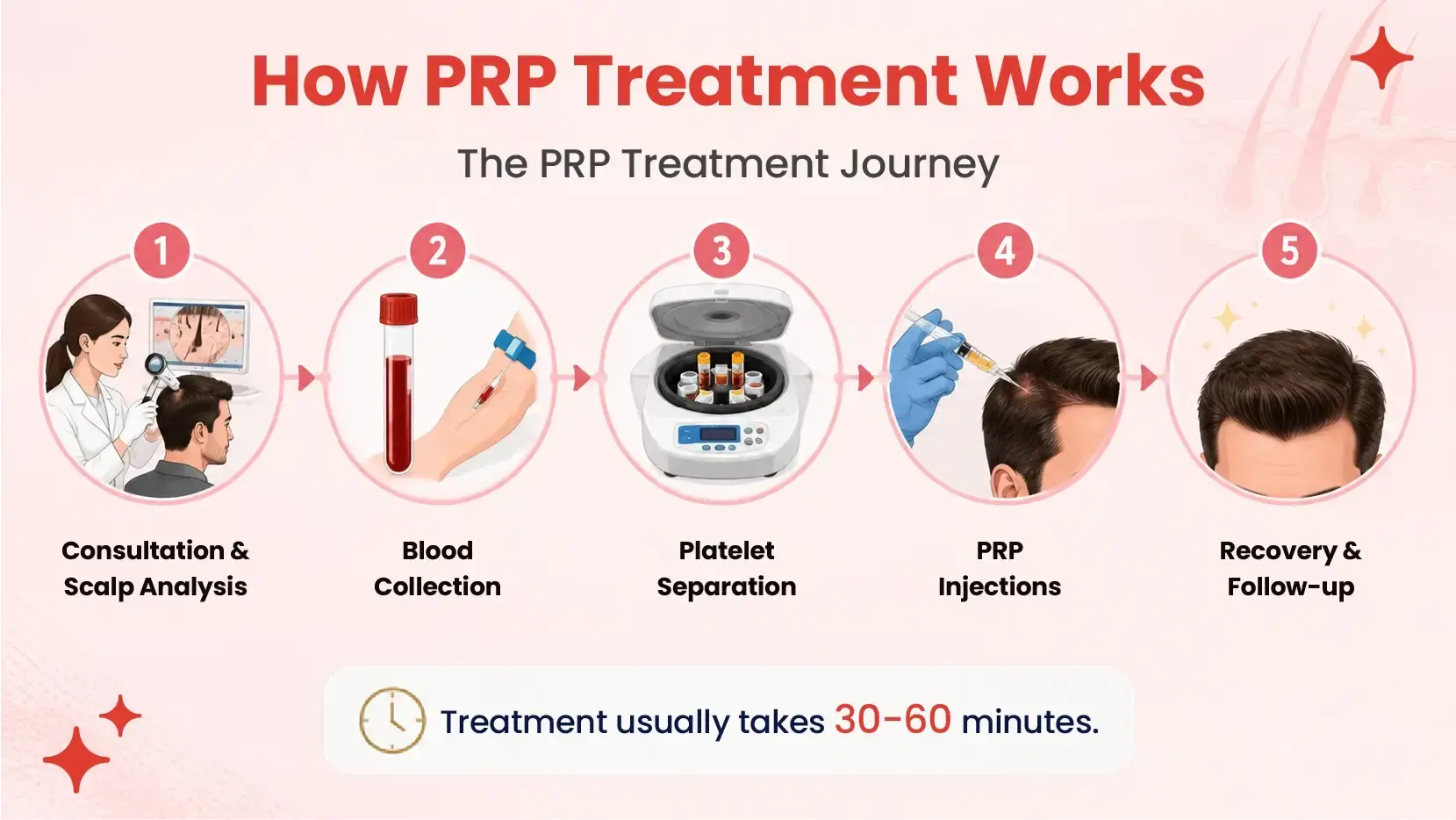
PRP hair treatment is a simple, in-clinic, non-surgical process that uses your own blood to prepare platelet-rich plasma and place it into targeted areas of the scalp. The treatment is typically completed in a few clear steps, from consultation to aftercare.
Consultation & Assessment
Your PRP hair treatment session begins with a free doctor-led scalp and hair assessment, during which our professional dermatologists will review hair fall patterns and hair loss history and decide how the treatment should proceed for you.
Blood Collection
A small sample of your blood is collected or drawn, usually from the arm. This is the starting point of PRP, since the treatment uses your own blood to prepare the platelet-rich plasma.
Platelet Separation
The collected blood is placed in a centrifuge, which spins it rapidly to separate the components and concentrate the platelets in the plasma. That concentrated plasma is then prepared for use on the scalp.
PRP Injection Process
Once the PRP is ready, it is injected into the targeted areas of the scalp. The goal is to help stimulate follicles and support hair growth in thinning areas.
Post-treatment Instructions
After the session, most people can return to routine activities fairly quickly, but a few precautions are usually advised. Kaya recommends avoiding vigorous exercise, direct sun or heat exposure, steam saunas, and swimming for at least two days after treatment. Mild soreness or bruising can happen, and visible results may take several weeks to appear, with scalp improvements often becoming clearer over time.
How Many PRP Sessions Are Needed?
The number of hair PRP sessions needed varies by person, but most patients are advised to have 4 to 6 sessions for visible improvement. Our professional dermatologists recommend 4 to 6 sessions, followed by proper maintenance; however, the number may be increased based on how the scalp responds.
For PRP hair treatment, the exact plan depends on the stage of hair loss, the density of thinning, and the patient’s response to treatment. Early-stage hair loss may need fewer sessions, while more advanced thinning may need a longer treatment plan.
The American Academy of Dermatology notes that many patients return once a month for 3 months and then every 3 to 6 months for repeat injections. How many sessions of hair PRP depends on your hair loss pattern and how your follicles respond. A customized plan is usually the best approach, because PRP works best when treatment is adjusted to the individual rather than treated as a one-size-fits-all solution.
Recovery After PRP Hair Treatment
- Downtime expectations: One of the major advantages of PRP hair treatment is minimal downtime. Most patients can quickly resume their daily routine.
- Immediate aftercare: After the session, patients are usually advised to keep the scalp clean, avoid unnecessary contact with the treated area, and follow the doctor's aftercare instructions. Mild soreness, redness, or sensitivity can happen temporarily as the scalp heals.
- Activities to avoid: To support proper recovery after PRP hair treatment, dermatologists often recommend avoiding strenuous exercise, direct heat exposure, swimming pools, saunas, smoking, and alcohol for at least 24 to 72 hours after the procedure. Harsh hair products and hair coloring are also usually avoided for a few days.
Risks & Side Effects Of PRP Hair Treatment
Some of the risks and side effects of PRP hair treatment are:
- Mild redness around the injection sites is one of the most common side effects of hair PRP treatment. This effect usually fades within a few hours or days after the procedure.
- Some patients may experience scalp tenderness or sensitivity after injections, especially when touching or washing hair.
- There may be minor swelling or tightness on the scalp that occurs shortly after the treatment.
- Temporary pain, itching, pinpoint bleeding, or soreness may happen after PRP hair treatment, especially in sensitive scalp areas. These effects are generally short-lived and manageable.
- Although uncommon, rare complications may include infection, allergic reaction to numbing agents, bruising, or prolonged irritation if aftercare instructions are not followed properly. Choosing an experienced medical professional and following proper hygiene and recovery guidance can help reduce these risks.
Is PRP Hair Treatment Safe?
Yes. PRP hair treatment is 100% safe, as it uses platelet-rich plasma prepared from the patient’s own blood. Since there’s no external substance involved, the risk of a major allergic reaction is relatively lower.
The safety of hair PRP treatment also depends on where you choose to have it done. Improper procedures by unqualified doctors can put your health at risk. Choosing an experienced medical-grade professional, such as a professional dermatologist or hair doctor, can make the treatment safe and effective.
What Results Can You Expect From PRP Hair Treatment?
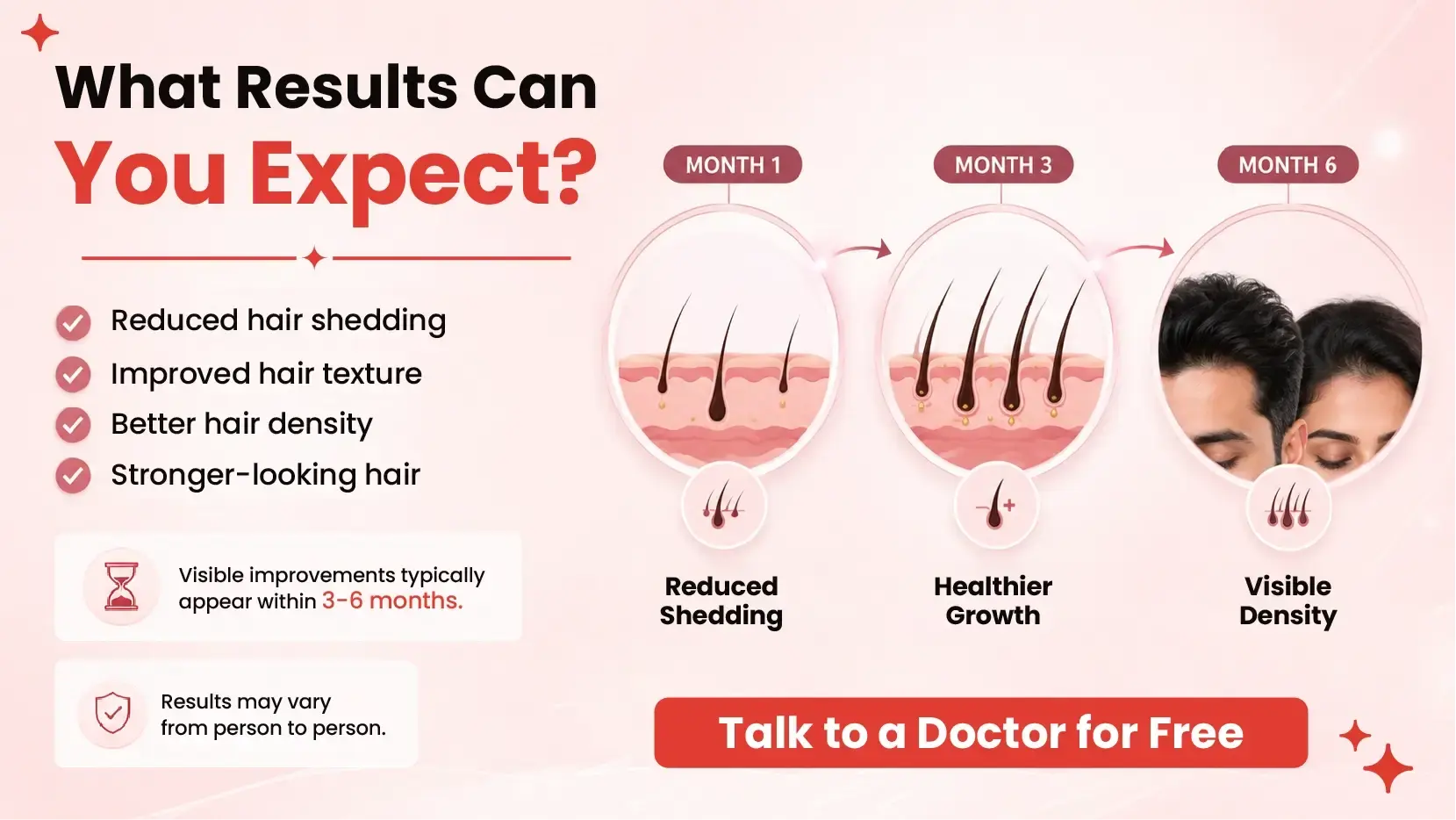
Results from PRP hair treatment are usually gradual. Many people may begin to notice reduced hair shedding within the first few weeks, while visible improvements in hair thickness and density often become apparent after 3 to 6 months of consistent sessions.
What can you expect after PRP hair sessions?
After multiple hair PRP sessions, patients may notice healthier-looking hair, improved texture, reduced thinning, and better scalp coverage in areas with active follicles. Since hair growth happens slowly, results typically improve progressively over time rather than immediately.
What Factors Influence PRP Hair Treatment Results?
The effectiveness of hair PRP treatment can vary based on factors such as the stage of hair loss, scalp condition, age, genetics, lifestyle, and consistency of sessions. PRP generally works best for early-to-moderate hair thinning, when follicles are still active and responsive to stimulation.
PRP vs Minoxidil: Which Is Better?
PRP and Minoxidil are two of the most commonly recommended treatments for hair loss, but they work in different ways. PRP (Platelet-Rich Plasma) uses growth factors from your blood to stimulate hair follicles, while minoxidil is a medication that helps prolong the hair growth phase and improve blood flow to the scalp. The right choice depends on the cause and severity of hair loss, your lifestyle, and your treatment goals.
Choose Hair PRP if you want to go for a non-surgical treatment that harnesses the body's natural growth factors to support hair regrowth. Minoxidil can be effective for those seeking a convenient at-home treatment and are willing to use it consistently over the long term.
PRP vs Hair Transplant: Key Differences
PRP and hair transplant procedures are both used to address hair loss, but they serve different purposes. PRP aims to strengthen and stimulate existing hair follicles, whereas a hair transplant physically relocates healthy hair follicles from one part of the scalp to areas with significant hair loss. The choice depends largely on the extent of hair loss and the condition of existing hair follicles.
Can PRP Be Combined With Hair Transplant?
Yes, PRP hair treatment can be combined with a hair transplant, and many hair doctors consider it a complementary approach to support better overall results. Hair PRP is often used before, during, or after the transplant procedure to help improve scalp healing, support graft survival, and strengthen existing hair follicles.
Because platelet-rich plasma contains growth factors derived from the patient’s own blood, it may help create a healthier scalp environment for transplanted hair and support recovery after the procedure.
<
Combining hair transplant surgery with PRP hair therapy is commonly recommended for people looking to improve hair density, recovery, and long-term hair restoration outcomes.
Cost of PRP Hair Treatment
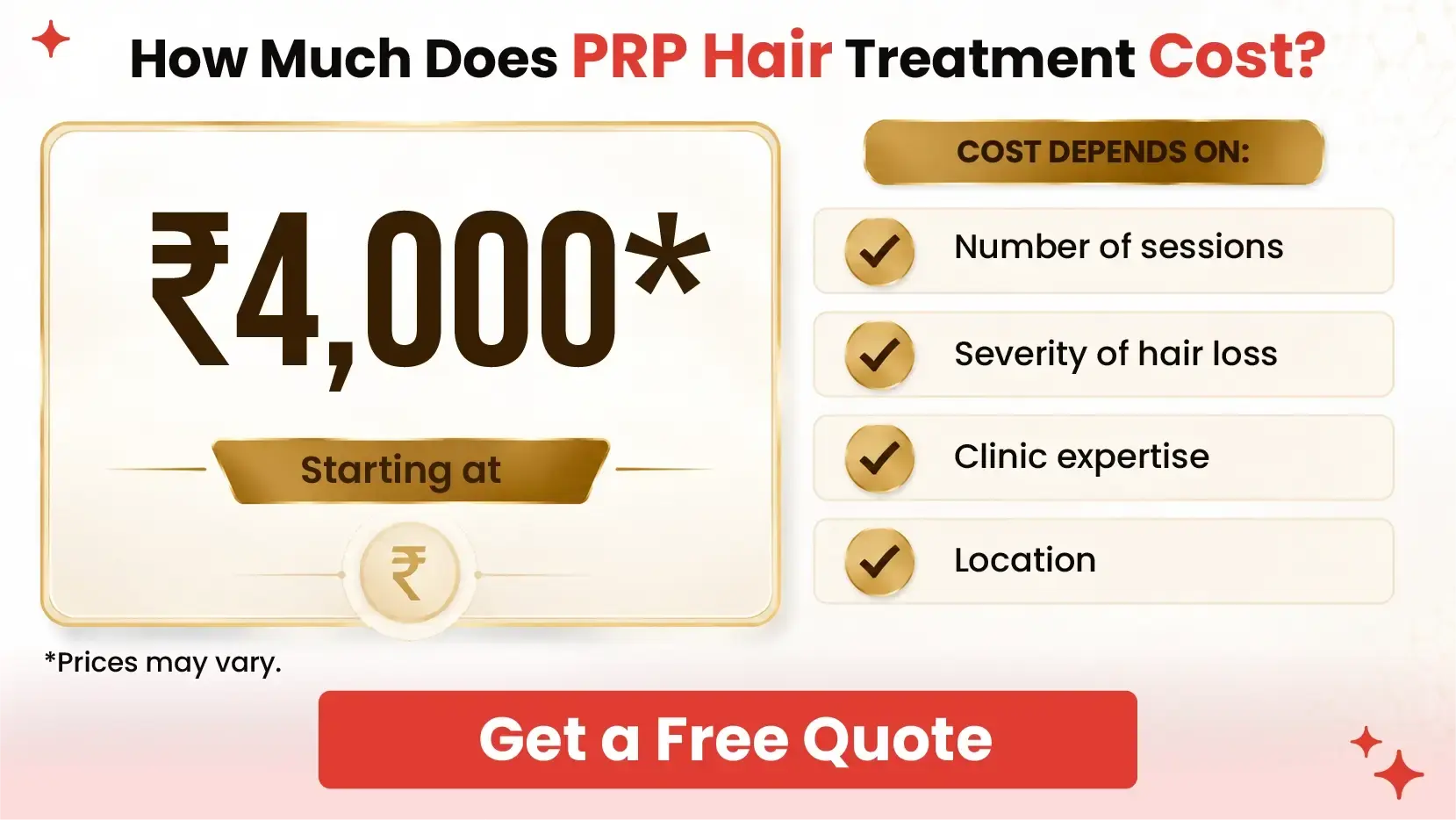
The cost of PRP Hair treatment starts from ₹4,000 to ₹15,000 per session, although the price may vary because of the following reasons:
- Number of sessions: Yes, the total cost depends on how many hair PRP sessions are required. People with early-stage thinning may need fewer sessions, while advanced hair loss may require additional treatments and maintenance sessions.
- Clinic expertise: Experienced dermatologists or hair doctors, advanced equipment, and personalized treatment planning can also influence the pricing of PRP hair treatment.
- Location influence: The cost of hair PRP may vary across cities and clinics due to differences in demand, infrastructure, and treatment standards.
Why Choose MakeO for PRP Hair Treatment?
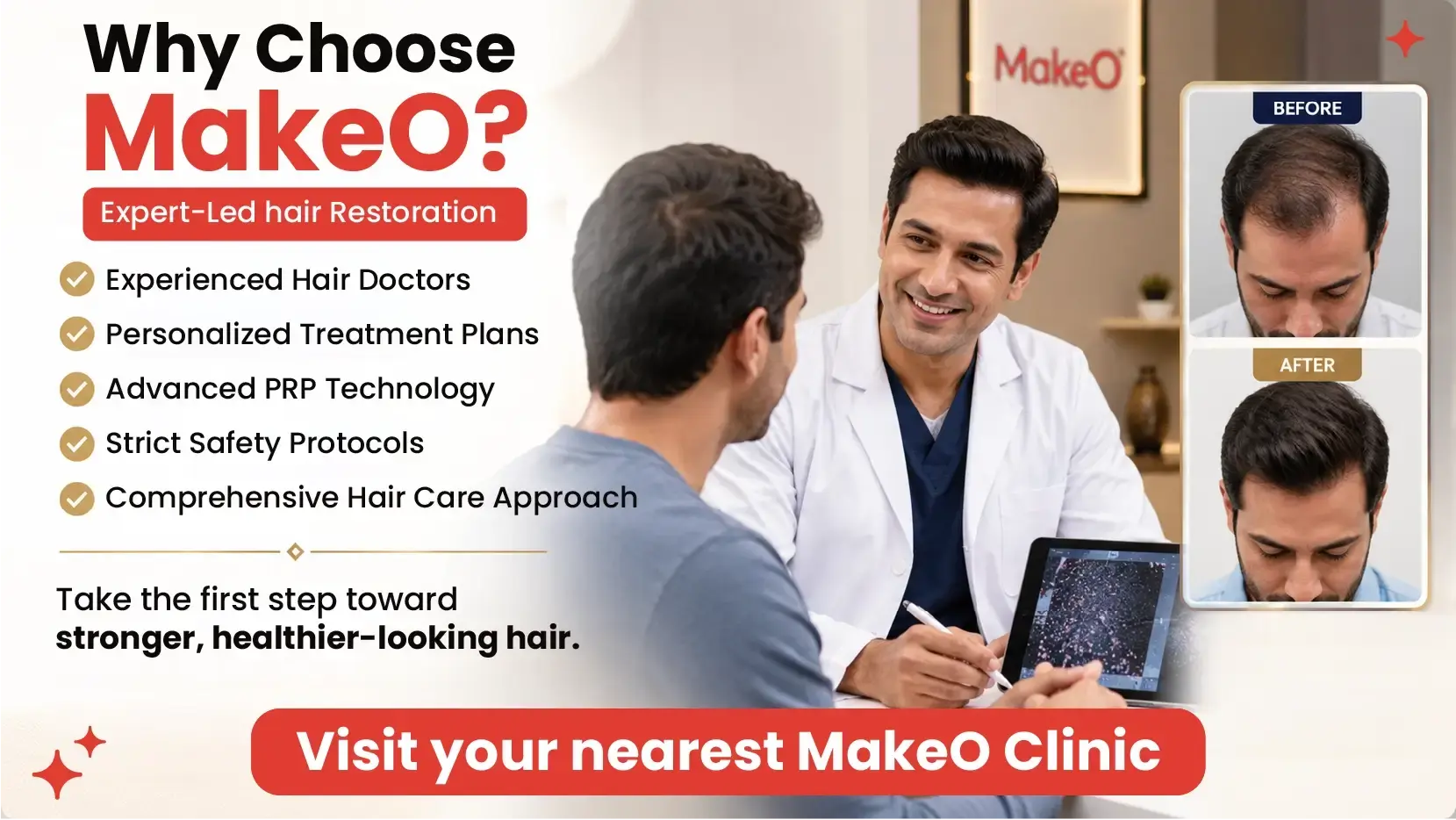
At MakeO, PRP hair treatment is performed by experienced hair doctors and specialists who help create personalized treatment plans based on your scalp condition, hair loss patterns, and recovery goals. Here, our focus is on doctor-backed care rather than a one-size-fits-all approach.
What Makes MakeO’s Hair PRP Approach Different?
We combine advanced hair restoration solutions, such as PRP hair therapy, and supportive medications, as part of a comprehensive hair care plan designed for long-term results. Plus, our treatment approach is designed around clinically guided procedures and modern hair-care technologies to deliver effective, reliable results for hair thinning and hair fall concerns.
We follow strict hygiene and safety protocols during our PRP hair treatment procedures. We perform our treatments using clinically guided processes that maintain high standards of comfort, safety, and quality.
Patients choose MakeO for its doctor-backed approach, advanced treatment combinations, personalized care plans, and focus on long-lasting hair restoration support. The brand’s clinically driven process is designed to help improve patient confidence and overall treatment experience.
Frequently Asked Questions
What is PRP hair treatment used for?
PRP hair treatment is used for supporting healthy hair growth while managing hair thinning and pattern hair loss.
How many PRP sessions are needed for hair growth?
Most hair PRP plans start with 3 to 6 sessions, but doctors usually recommend spacing them 4 to 6 weeks apart, followed by maintenance sessions based on your response.
Is PRP treatment painful?
No. PRP hair treatment is usually tolerable, but slight discomfort may occur during and after the injections, such as brief stinging, pressure, or soreness.
How long does a PRP session take?
Hair PRP treatment usually takes around 30 to 60 minutes. The process includes blood collection, platelet separation by centrifugation, scalp preparation, and PRP injections into the treatment areas. The exact duration may vary depending on the treated scalp area and the treatment plan.
When can PRP results be seen?
Hair PRP results are gradual with time. Some people notice improvement after a few weeks, but scalp results are often more noticeable around 3 to 6 months.
Does PRP regrow hair permanently?
No. PRP is not a permanent fix, and maintenance sessions are often needed to sustain the benefits.
Is PRP treatment safe for hair loss?
Yes. PRP hair treatment is quite safe for hair loss, as it uses your own blood; no major side effects have been reported.
What are the side effects of PRP treatment?
Most side effects of PRP hair treatment are mild and temporary. Common effects may include redness, tenderness, swelling, itching, bruising, or mild discomfort around the injection sites. These symptoms usually settle within a few hours to a few days. Rare complications may occur if proper safety protocols are not followed.
Can PRP work for severe baldness?
PRP hair treatment works best for early- to moderate-stage hair thinning, when the follicles are still active. In cases of severe baldness or completely inactive follicles, PRP alone may provide limited improvement. People with advanced hair loss are often advised to combine PRP with other treatments or consider hair transplant procedures.
Is PRP better than Minoxidil?
PRP and Minoxidil work differently, so one is not universally better than the other. Minoxidil is a topical medication applied regularly at home, while PRP is a clinic-based procedure that uses growth factors from the patient’s own blood. Often, doctors may recommend combining both treatments to improve hair density and support better overall results.
Can PRP replace a hair transplant?
PRP hair treatment cannot fully replace a hair transplant in cases of advanced baldness. PRP primarily supports existing hair follicles and improves scalp health, while a hair transplant is designed to restore hair in areas where follicles are no longer active. However, PRP is often used alongside hair transplants to support recovery and improve overall outcomes.
Can women undergo PRP hair treatment?
Yes, PRP hair treatment is suitable for both men and women experiencing hair thinning or pattern hair loss. Women commonly choose PRP for concerns such as widening partitions, reduced hair density, postpartum hair fall, or stress-related thinning. The treatment plan is usually customized based on the individual’s scalp condition and hair goals.
Is PRP better than minoxidil for hair loss?
Both PRP hair treatment and minoxidil are used to manage hair thinning, but they work differently. Hair PRP uses growth factors from the patient’s own blood to support follicle activity, while minoxidil is a topical medication applied regularly to the scalp to stimulate hair growth.
What is the difference between PRP and minoxidil results?
PRP hair treatment is often chosen by people seeking a non-surgical, clinic-based option, while minoxidil is commonly used as a long-term at-home solution. PRP may help improve hair thickness and density, whereas minoxidil mainly helps slow hair loss and support regrowth with consistent use.
Is PRP more affordable than a hair transplant?
PRP hair treatment costs less per session than hair transplant surgery. However, PRP often requires multiple sessions and maintenance treatments over time, while hair transplants involve a larger one-time procedure cost.
Who is a good candidate for PRP vs hair transplant?
Hair PRP is commonly recommended for people with early-to-moderate thinning and active follicles. Hair transplants are usually considered for people with advanced hair loss or visible bald patches where follicle activity is already minimal.
Will I lose hair if I stop PRP?
No, stopping PRP hair treatment will not cause sudden hair loss, but the treatment's benefits may gradually diminish over time. PRP helps support existing hair follicles and improve hair thickness, but it does not permanently stop the genetic or hormonal causes of hair loss. Without maintenance sessions, hair thinning and shedding may slowly return as the natural hair loss process continues.
When is it too late for PRP?
PRP hair treatment usually works best in the early to moderate stages of hair thinning when hair follicles are still active. In cases of severe baldness or completely inactive follicles, PRP alone may provide limited results.