

Tooth Enamel Repair: Can It Really Be Restored?

MDS - Orthodontics, the Co-Founder & CEO of MakeO Toothsi. A certified lingual orthodontist with 15 years overall experience.
Updated on April 11, 2026

Summary
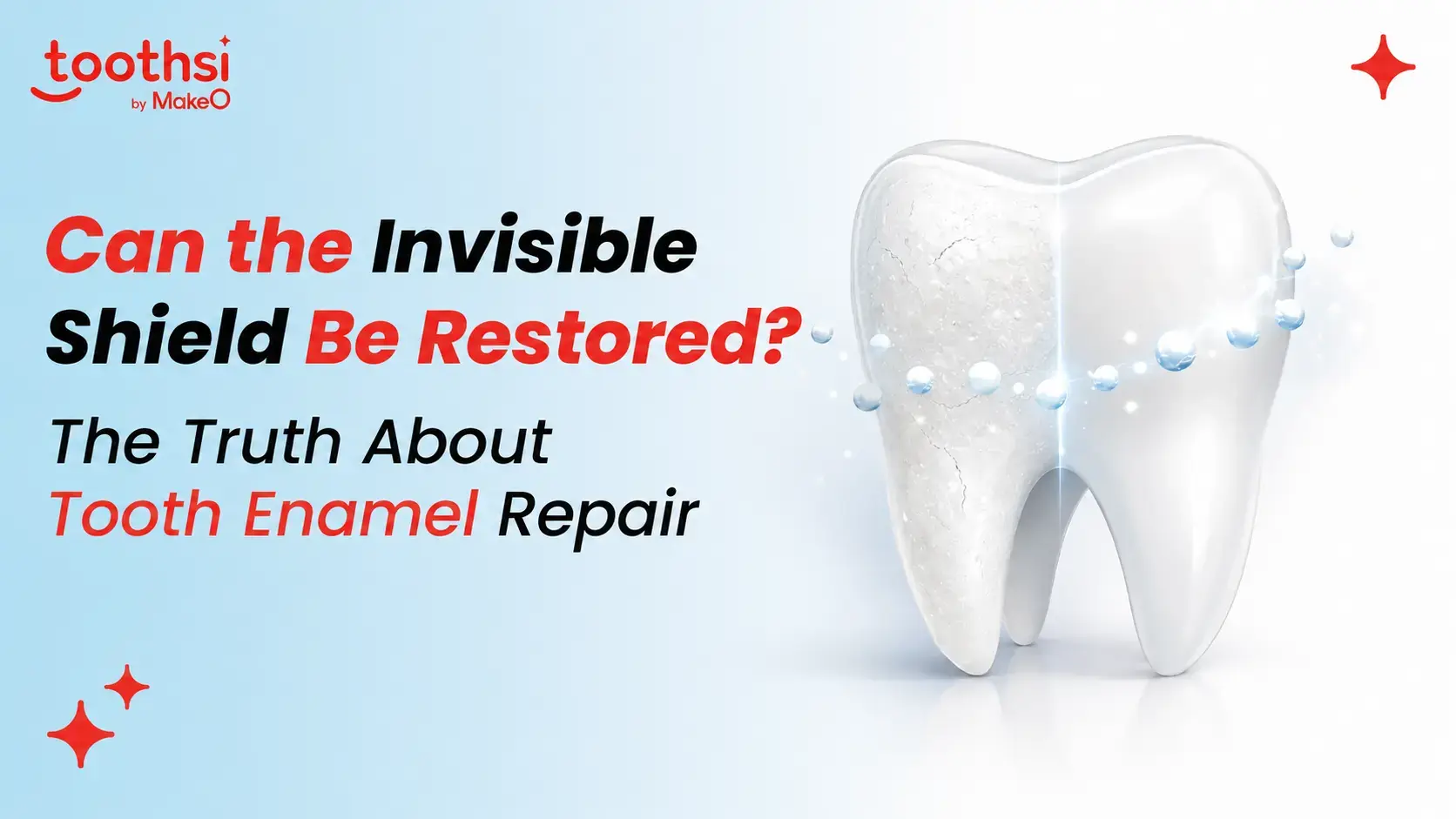
Can tooth enamel grow back on its own? The simple answer is no - once enamel is lost, it doesn’t naturally grow. But that doesn’t mean your smile is at risk. With the right dental care, assistance of science-backed treatments, and consistent daily habits, you can protect, strengthen, and support the repair of your existing tooth enamel.
At Toothsi, expert-led care focuses on helping you maintain strong, healthy teeth through personalized orthodontic treatment plans with advanced dental solutions. By combining professional expertise with the right daily practices, our dentists ensure your smile stays healthy, protected, and confident for the long run.
Visit your nearest Toothsi dental clinic and take the first step towards a healthier, brighter smile.
How Does Tooth Enamel Repair Work?
Dental science says the process of remineralization is like a natural process in which minerals such as calcium and phosphate are redeposited into weakened enamel. In this process, fluoride plays a key role by helping rebuild mineral density and making enamel more resistant to future acid attacks.
What Remineralization Really Means for Tooth Enamel
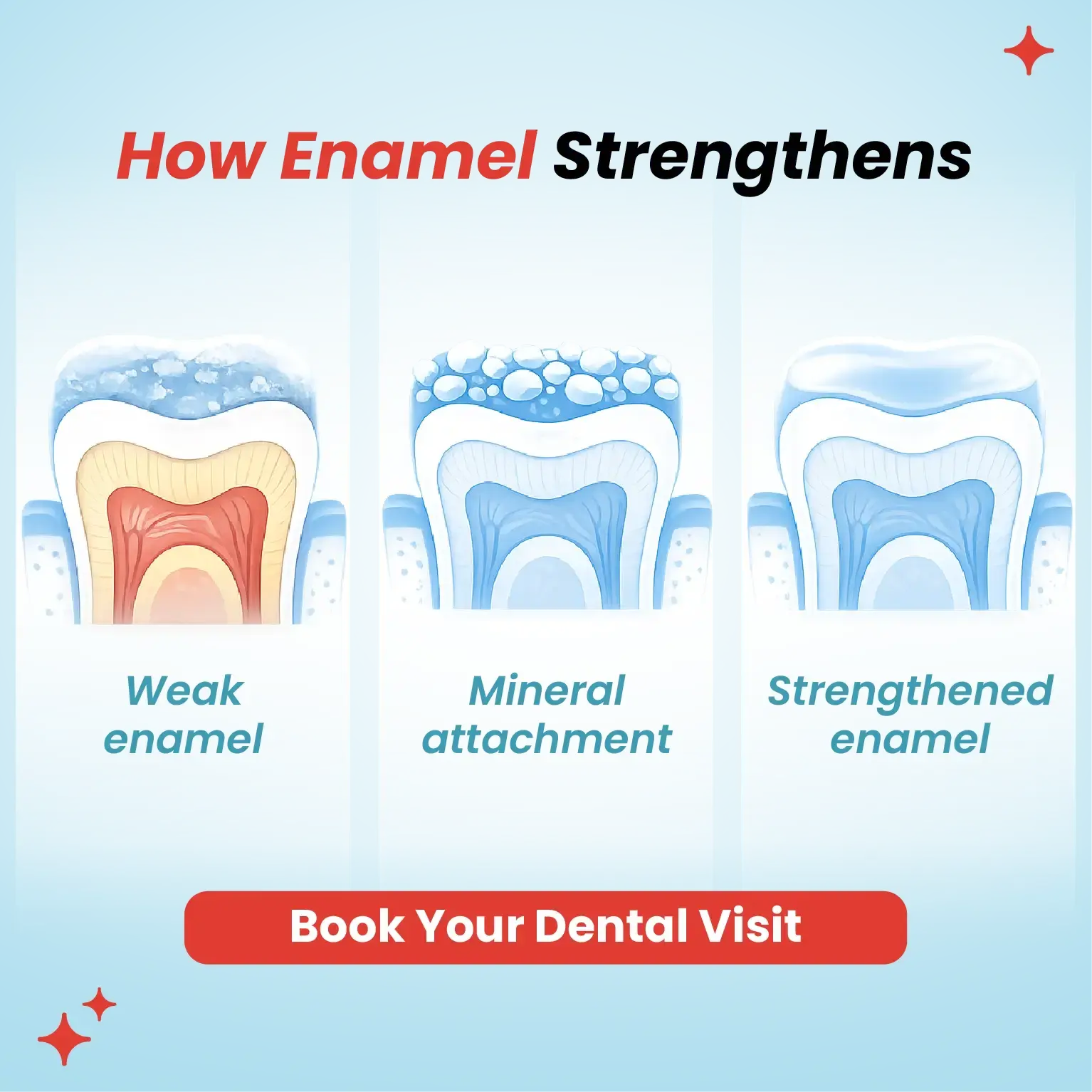
Tooth remineralization is a natural process of restoring the lost minerals to your teeth’s enamel, which helps to strengthen and protect the teeth before any permanent damage occurs. It can also reverse the early signs of any acid erosion and prevent further enamel loss.
The remineralization process occurs when minerals such as calcium and phosphate are redeposited into the enamel by saliva and external sources. This helps rebuild weakened areas of the enamel surface, making it more resistant to acid attacks caused by bacteria, sugary foods, and acidic drinks.
Popular Tooth Enamel Repair Myths Busted
The myths surrounding tooth enamel are vast and sometimes can be misleading too. So, in this section, let us break down some of the most common myths and reveal what dental science has to say about tooth enamel repair and tooth enamel restoration.
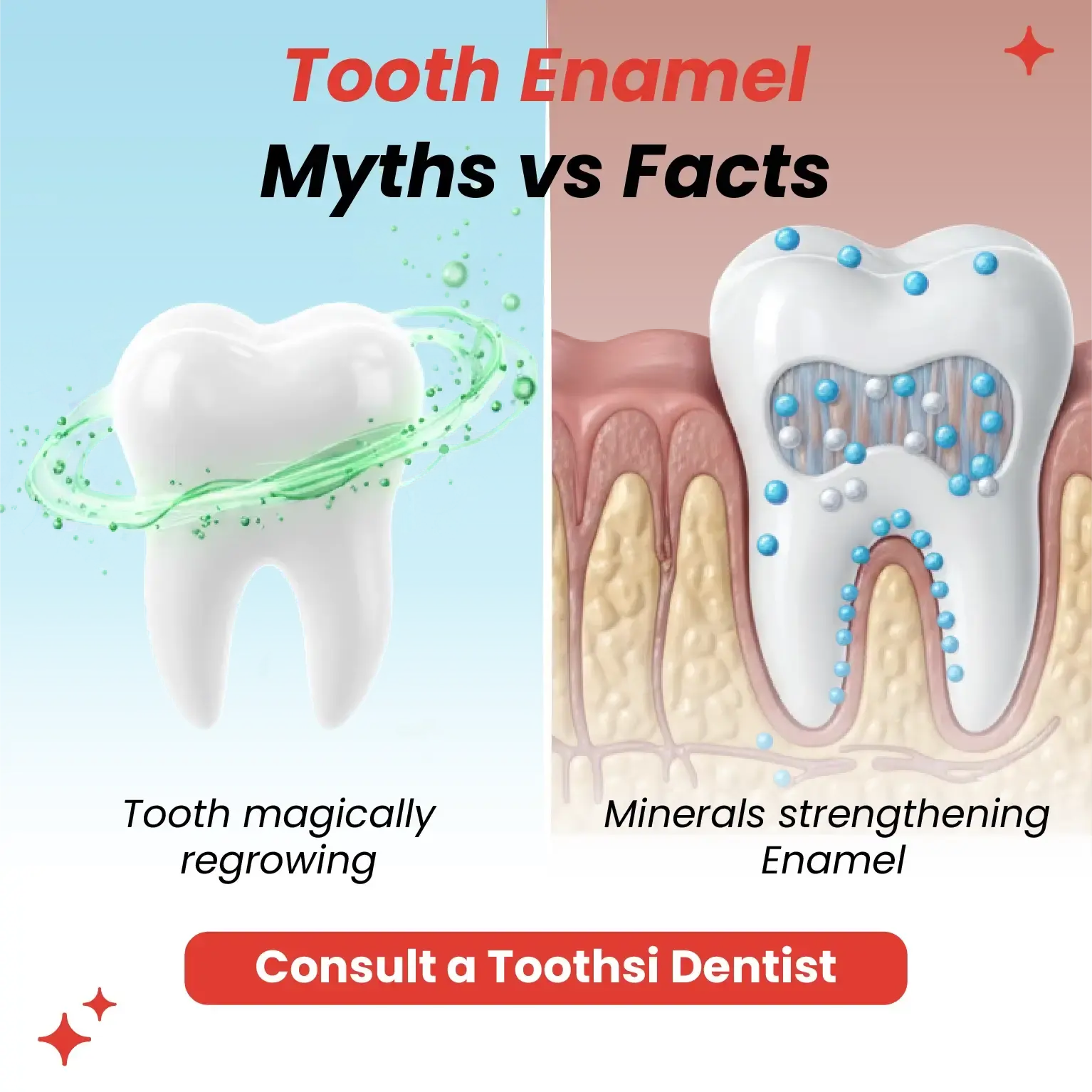
Myth 1: Tooth enamel can grow back naturally
One of the most common myths about dental health is that tooth enamel can grow back on its own. Many people believe that once enamel is damaged, it will naturally grow or regenerate over time, but this isn’t true.
Tooth enamel does not contain living cells, so it cannot regrow once it is lost. While early-stage damage can be managed, you need to visit your orthodontist for proper treatment.
Understanding this underscores the importance of protecting your enamel early and adopting proper care practices to prevent irreversible damage.
Fact: Enamel can never regenerate naturally after damage or loss
Myth 2: All dental products restore enamel
Another myth about tooth enamel is that toothpaste or any at-home remedy can restore enamel, which is not true.
Fact: Only products that have fluoride as an ingredient can effectively help repair enamel by boosting the remineralization process.
Myth 3: Dental treatments can regenerate lost enamel
A common myth is that certain products can regrow tooth enamel- while some treatments can help strengthen and support existing enamel, they cannot create new enamel tissue.
Fact: Tooth enamel cannot regenerate once it is lost, even with cosmetic treatments.
What Dental Science Says About Tooth Enamel Recovery
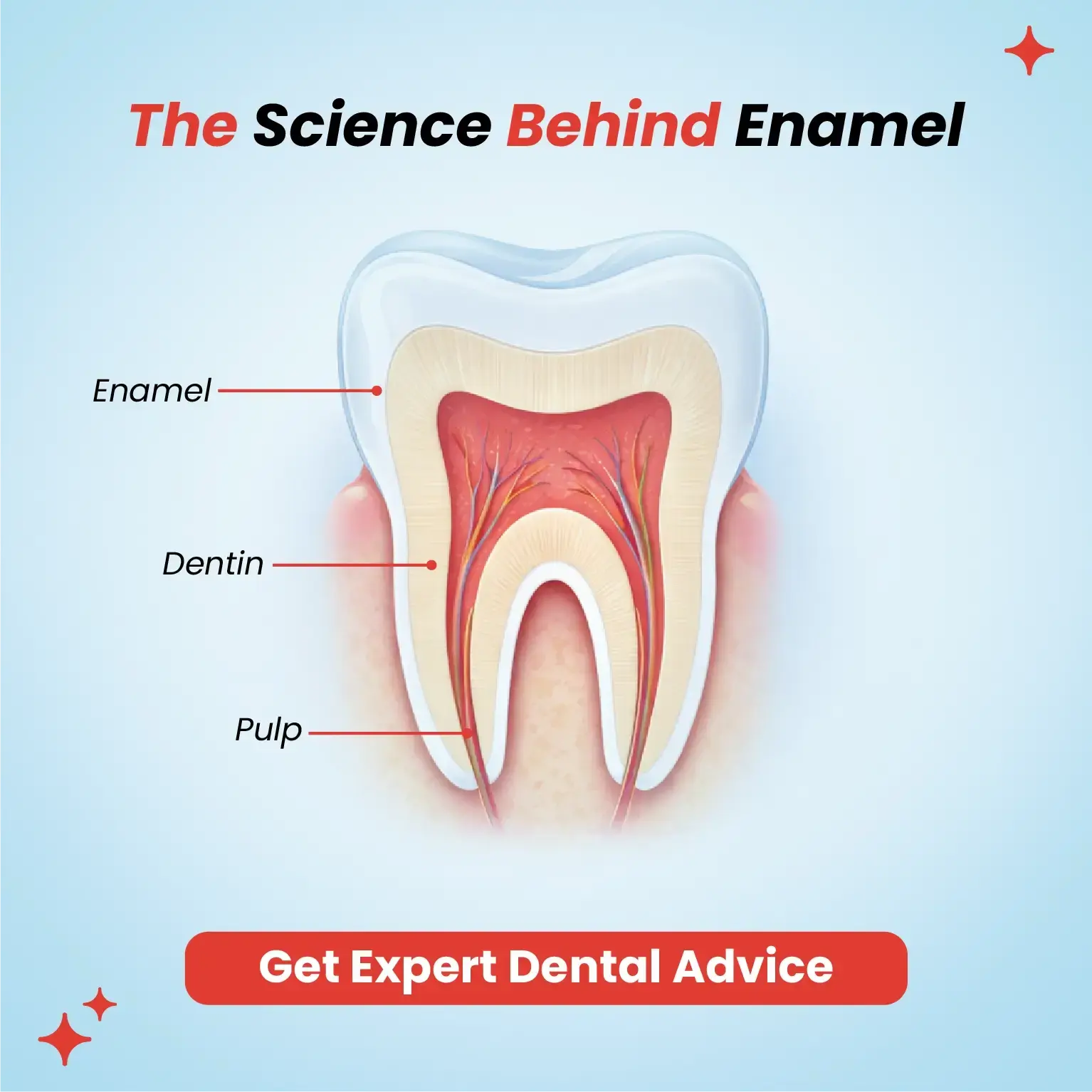
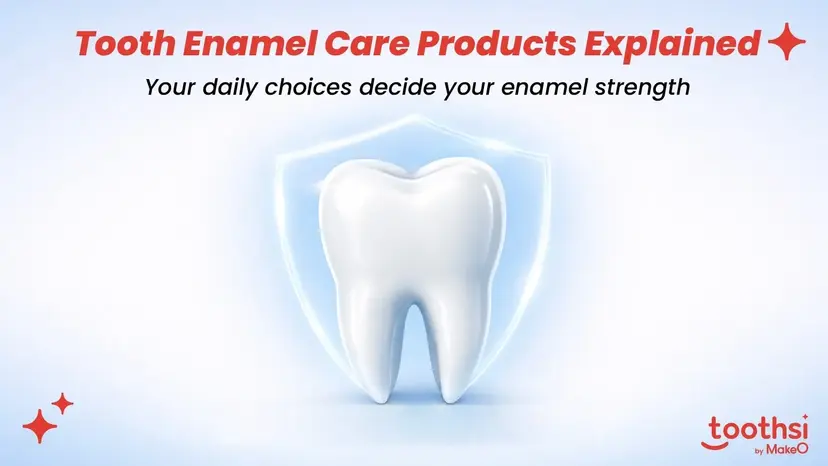
Tooth enamel is considered to be the hardest substance in the human body, and it cannot naturally grow back once damaged. Enamel is made up of minerals, not living cells. Because of this, it can’t heal or regrow on its own. Daily habits like acidic foods, sugary drinks, teeth grinding, or aggressive brushing can gradually wear it down.
Dr. Arpi Mehta says that many patients believe enamel can regrow, but that’s a common misconception. Tooth enamel, once it is worn down or eroded, cannot regenerate because it lacks the living cells needed for repair. If you’re experiencing sensitivity or enamel loss, it’s best to visit a nearby dental clinic for a professional evaluation and guidance.
The Toothsi Approach to Enamel Protection
While science confirms that tooth enamel doesn’t grow back, it also proves that with the right care, you can preserve, strengthen, and protect what you have. Using enamel-safe products, maintaining good oral hygiene, and seeking professional guidance early can make all the difference. Strong tooth enamel today means fewer dental concerns tomorrow, and at Toothsi, your smile’s health always comes first.
Schedule your appointment today for a hassle-free dental experience.
Key Takeaways:
- Tooth enamel cannot grow back once it is lost, as it has no living cells.
- The remineralization process helps restore minerals and strengthen weakened enamel.
- Early enamel damage can be managed, but complete natural enamel restoration is not possible.
- Common tooth enamel myths often mislead people about regrowth and repair.
- Daily habits like diet, oral hygiene, and avoiding acidic foods play a major role in enamel health.
- Professional dental guidance is essential for long-term tooth enamel protection.