

Does Food Hurt or Heal Tooth Enamel?

MDS - Orthodontics, the Co-Founder & CEO of MakeO Toothsi. A certified lingual orthodontist with 15 years overall experience.
Updated on April 17, 2026

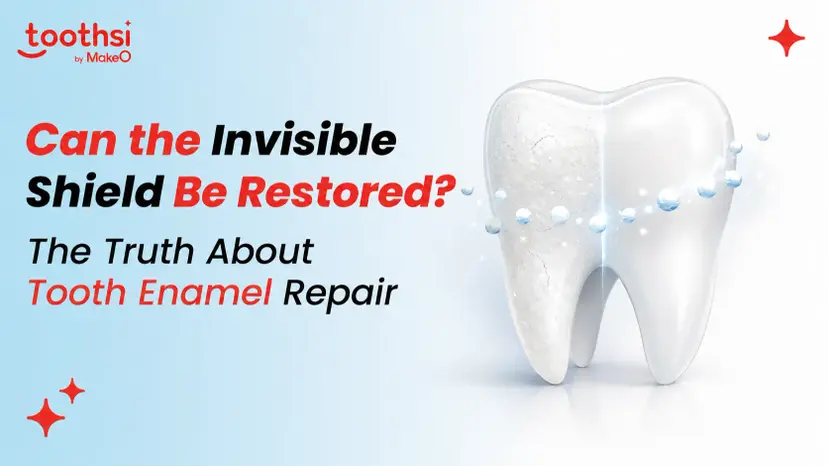
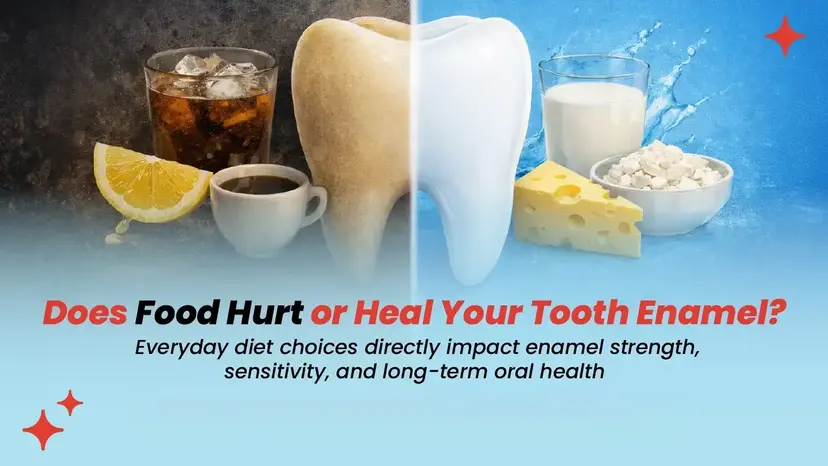
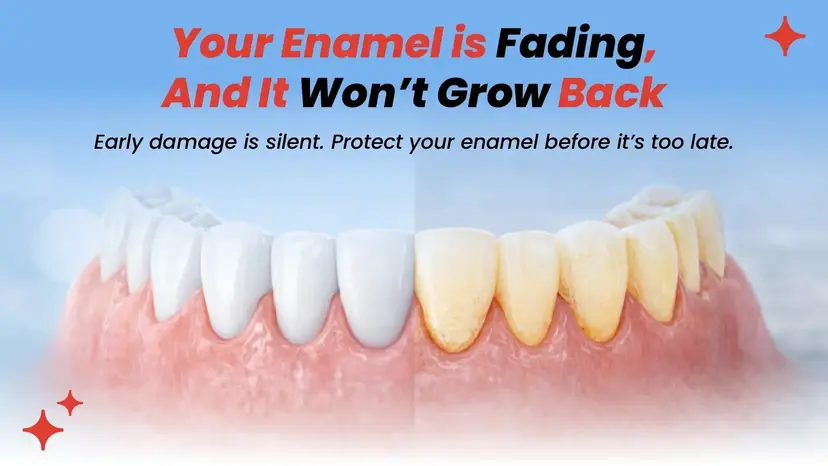
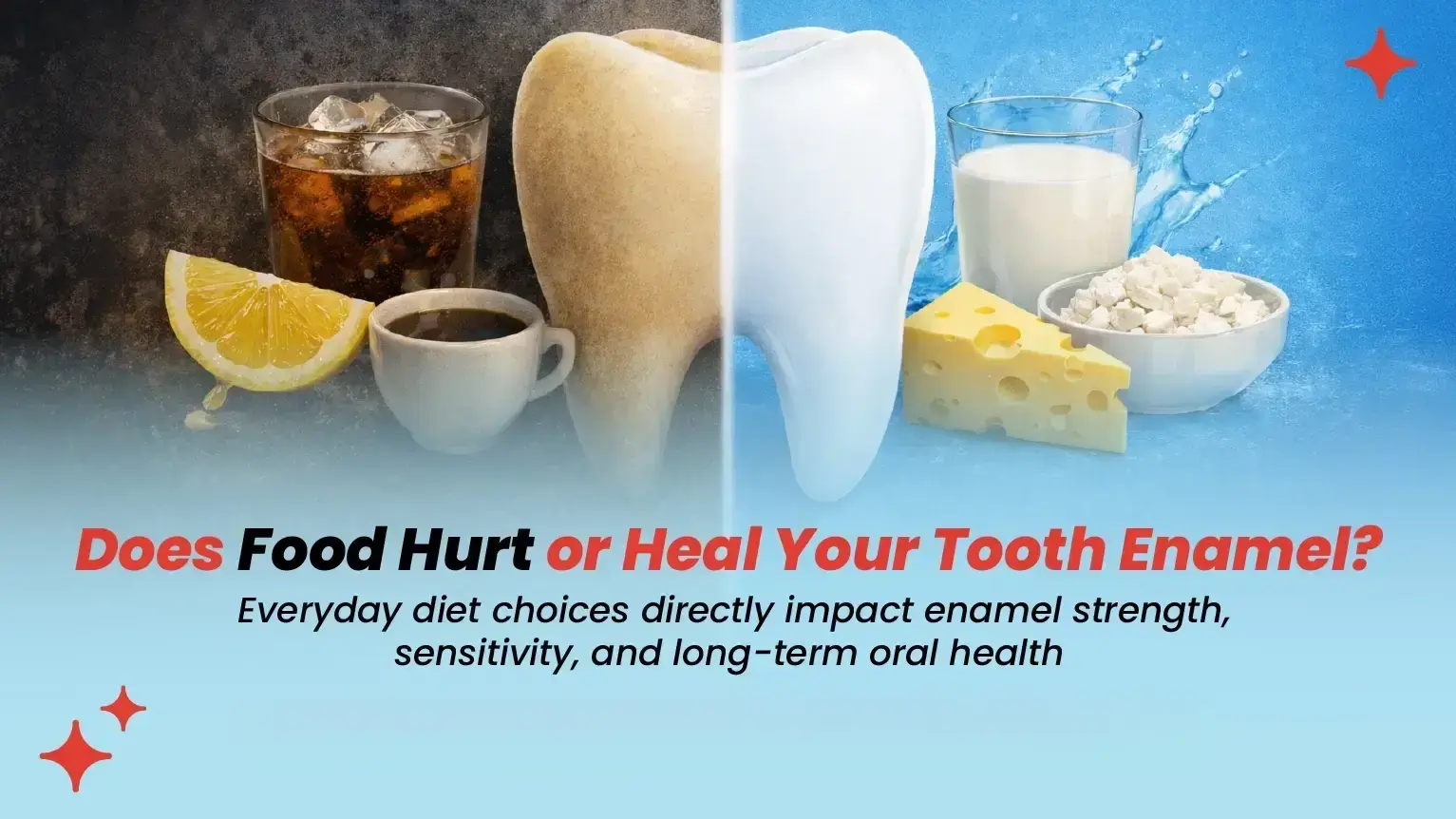
Tooth enamel acts as your invisible shield, protecting your teeth while giving your smile strength and structure. Being the hardest substance in the human body, it is not indestructible. What you eat every day directly affects this protective layer.
Daily dietary habits can either strengthen enamel or gradually wear it down, leading to issues like enamel erosion, tooth sensitivity, and cavities. Frequent consumption of acidic foods, sugary snacks, and carbonated drinks can weaken enamel over time, whereas nutrient-rich foods can help strengthen and support its resilience.
Understanding the difference between foods that harm tooth enamel and those that support it can help you make smarter choices. By focusing on a balanced diet, staying hydrated, and maintaining good oral habits, you can protect your enamel and ensure long-term oral health and a stronger, healthier smile.
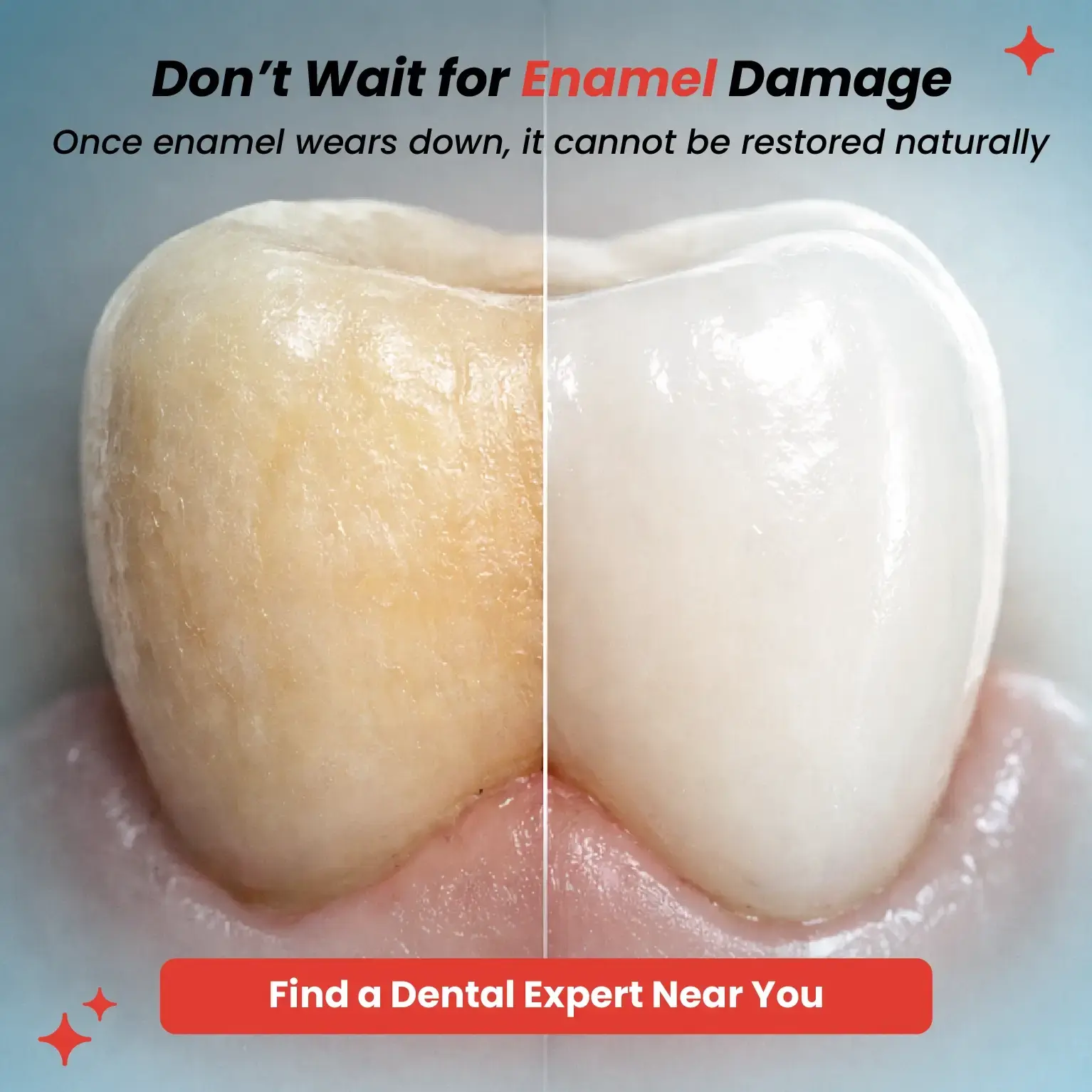
Ready to protect your enamel the right way? Visit nearest dental clinic and start your journey to expert oral care today.
How Diet Directly Impacts Tooth Enamel?
Maintaining a balanced diet plays a crucial role in protecting your tooth enamel. Every time you eat or drink, your mouth undergoes a chemical reaction that can either strengthen enamel or gradually weaken it.
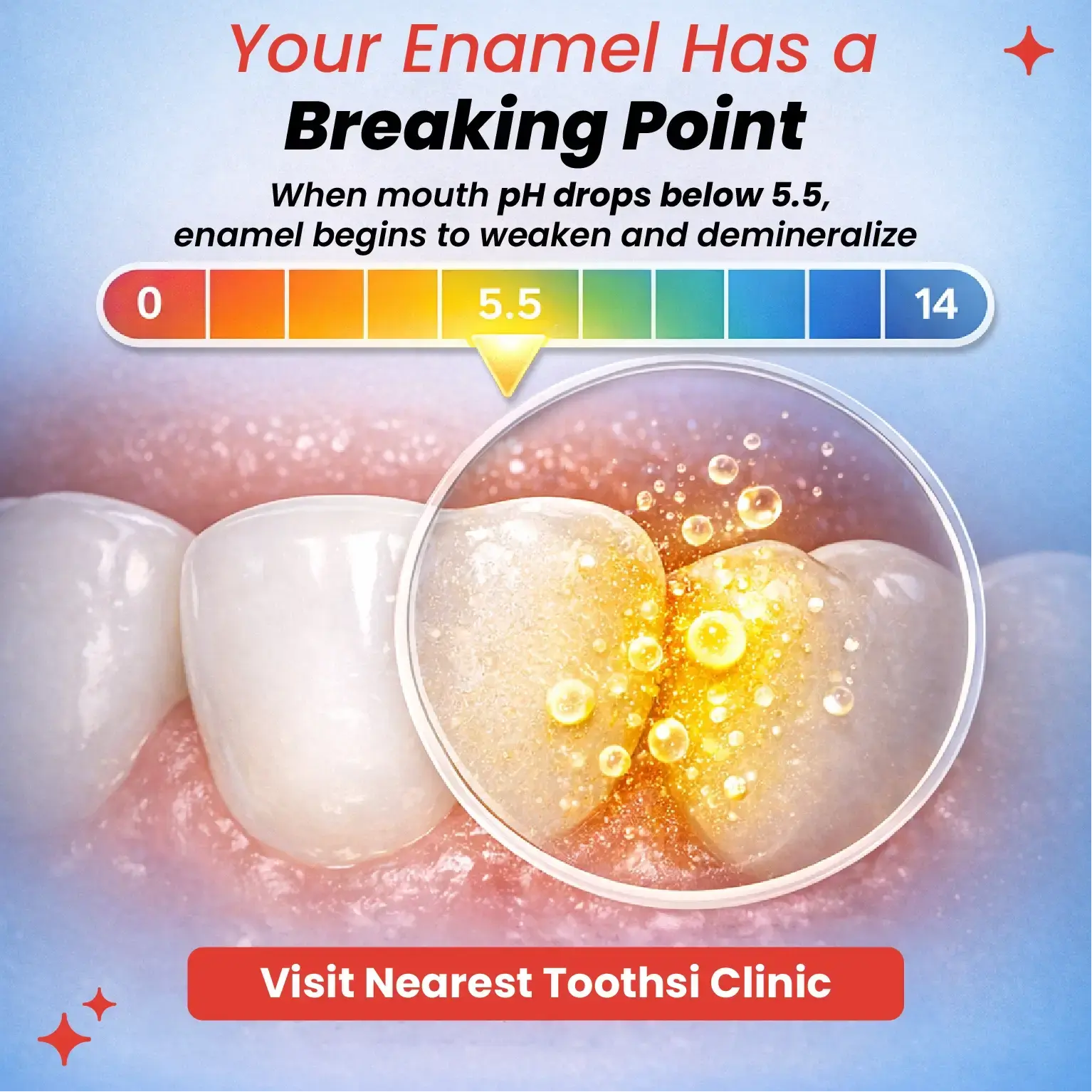
Limiting frequent snacking and staying well-hydrated helps reduce repeated acid attacks, which are one of the leading causes of enamel erosion. Foods high in sugar and acids can lower the pH level in your mouth, creating an environment where enamel begins to demineralize.
On the other hand, nutrient-rich foods, especially those high in calcium, phosphate, and fiber help support the remineralization process, restoring lost minerals and strengthening the enamel surface.
By making mindful dietary choices, reducing frequent exposure to acidic and sugary foods, and maintaining proper hydration, you can significantly protect your tooth enamel and support long-term oral health.
What Are Foods That Cause Enamel Erosion
Enamel begins to demineralize when the oral pH drops below 5.5. Foods that damage tooth enamel push the pH into this danger zone, while tooth enamel-friendly foods help maintain a balanced, neutral environment.
There are certain foods that damage tooth enamel, and they silently work over months and years to create that damage, foods like:
Citrus Fruits and Juices
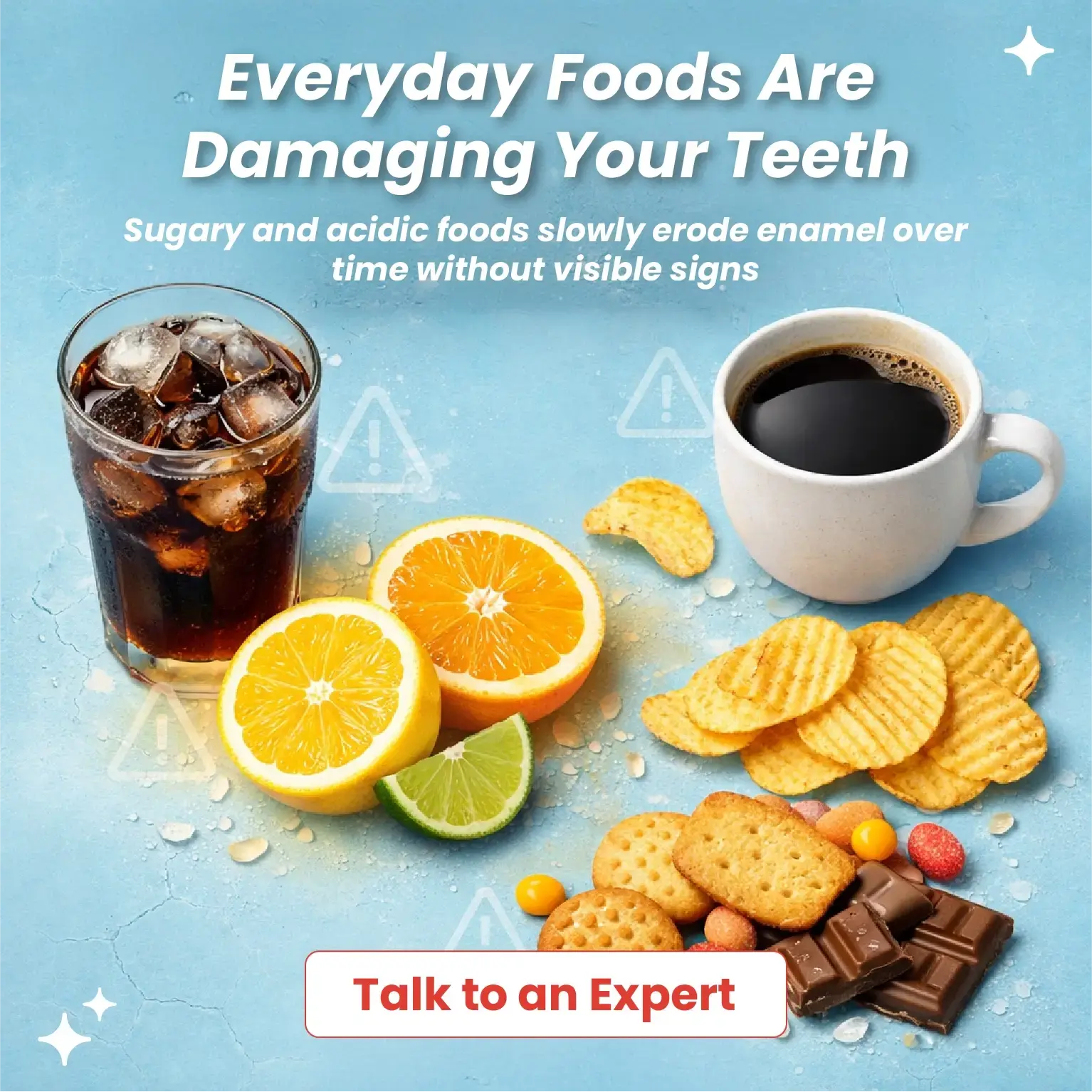
Food items like the lemons, limes, and oranges have a pH as low as 2.0, which is well below enamel's 5.5 danger threshold. It is found that citrus juices erode enamel by 84% over time with regular consumption.
To improve this, you can use a straw, consume it with meals, rinse with water immediately afterward, and try to avoid brushing for 30 minutes.
Coffee and Tea
Coffee and tea are mildly acidic, with a pH of 4.85 to 5.10, but frequent sipping prevents pH recovery. Adding sugar compounds damages through sugar's impact on Tooth Enamel.
Sodas and Sports Drinks
Sodas and sports drinks contain phosphoric acid (pH 2.5), sugar, and extended sipping patterns. Just 5 minutes of daily soda exposure causes measurable demineralization within two weeks
Alcohol: Dehydration Danger
Beyond wine's acidity, alcohol reduces protective saliva production and increases stomach acid reflux.
You can enjoy these foods occasionally with meals containing tooth enamel-friendly foods; never continuously sip or snack; and always rinse with water afterward. Understanding gradual damage empowers daily protective choices.
Pickled and Fermented Foods
Foods such as pickles, kimchi, and other vinegar-based items typically have a low pH (around 2.5 to 3.5). While they offer probiotic benefits, their high acetic acid content can contribute to tooth enamel erosion when consumed frequently.
Tomato Products
Tomato sauce, ketchup, and pizza contain citric and malic acids. Their frequency in daily diets creates cumulative damage. To fix this, you can combine it with tooth enamel-friendly foods like pasta with cheese sauce, which is less damaging than plain marinara.
What Foods Strengthen Your Tooth Enamel
Actively choosing protective foods is equally important for supporting the strength of your tooth enamel. Below, we have mentioned certain food items that support tooth enamel strength.
Dairy Products: Nature's Enamel Builders
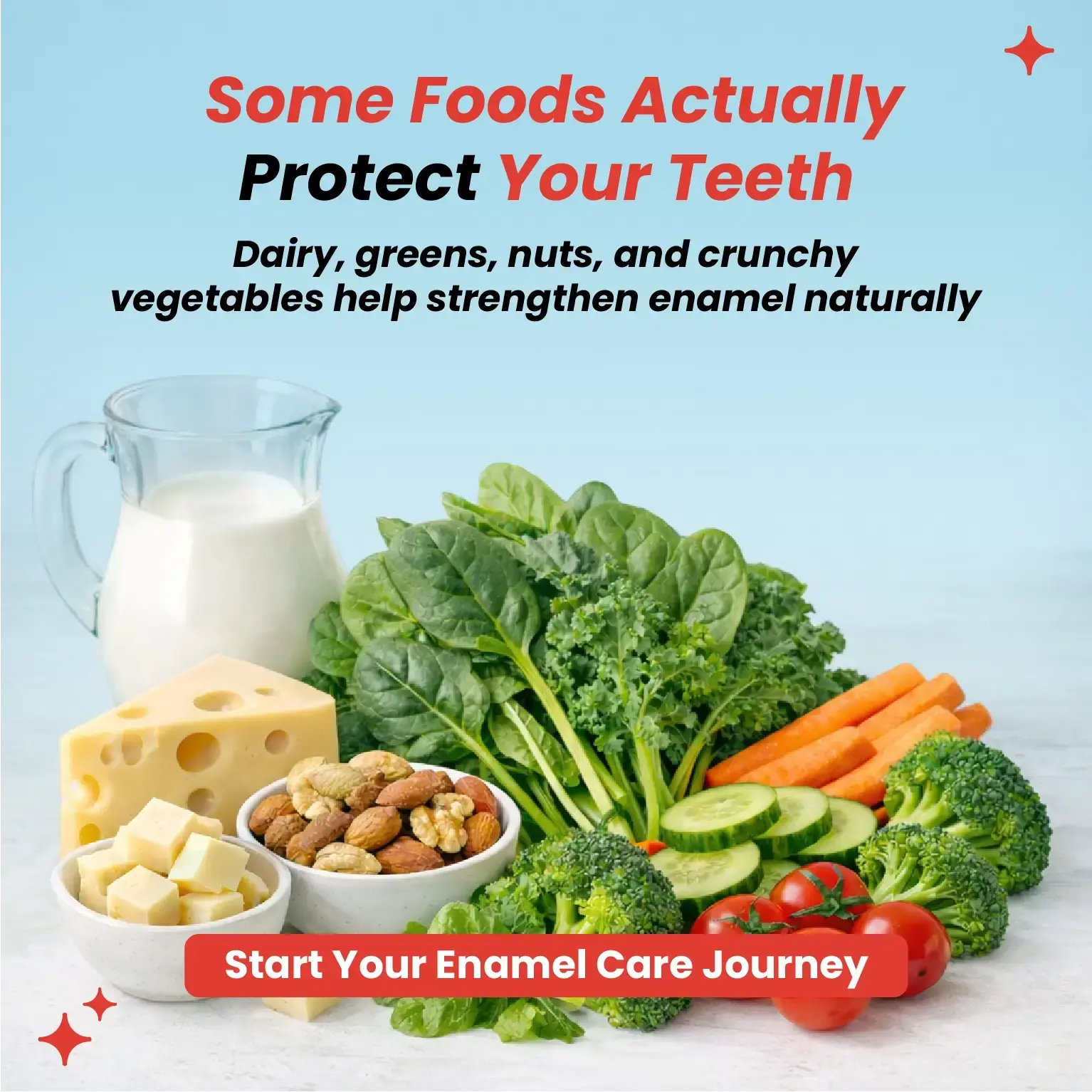
Dairy products like cheese, milk, and yogurt are superstars among tooth enamel-friendly foods.
According to research from Penn Dental Medicine, cheese not only delivers calcium and phosphates, but it also builds the blocks of enamel, plus it also raises your mouth's pH level, creating an environment where acids can't thrive.
Crunchy Vegetables: Your Teeth's Cleaning Crew
Crunchy vegetables like celery, carrots, and bell peppers act like nature's toothbrushes. They have a fibrous texture that simulates saliva production, your mouth's natural defense system.
Leafy Greens: Mineral Powerhouses
Spinach and dark leafy greens are loaded with calcium and folic acid. These tooth enamel-friendly foods provide essential minerals without any of the sugars or acids found in many other nutritious foods.
Nuts and Seeds: Compact Enamel Protection
Almonds, cashews, and sesame seeds deliver calcium, phosphorus, and healthy fats. They are alkaline foods that help neutralize acids from foods that damage Tooth Enamel you might consume during the same meal.
Whole Grains: The Smart Carbohydrate Choice
Unlike refined carbohydrates that quickly break down into sugars, whole grains like brown rice, quinoa, and oats contain B vitamins and iron that support gum health. Healthy gums mean better protection for the tooth structure, including enamel.
Apples and Pears: Nature's Exception
While many fruits fall into the foods that damage tooth enamel category due to natural sugars and acids, apples and pears are different. Their high water content and fibrous texture stimulate saliva production.
Green and Black Tea: Surprising Protectors
Unsweetened tea contains polyphenols that suppress harmful bacteria. According to dental research, these compounds can slow down acid production in your mouth.
Strawberries: The Malic Acid Advantage
Strawberries contain malic acid, which may naturally whiten teeth, but when eaten with calcium-rich foods like yogurt, they become part of an enamel-protective meal rather than a threat.
Choose wisely, and your teeth will thank you for decades to come.
Smart Eating Habits to Reduce Tooth Enamel Exposure
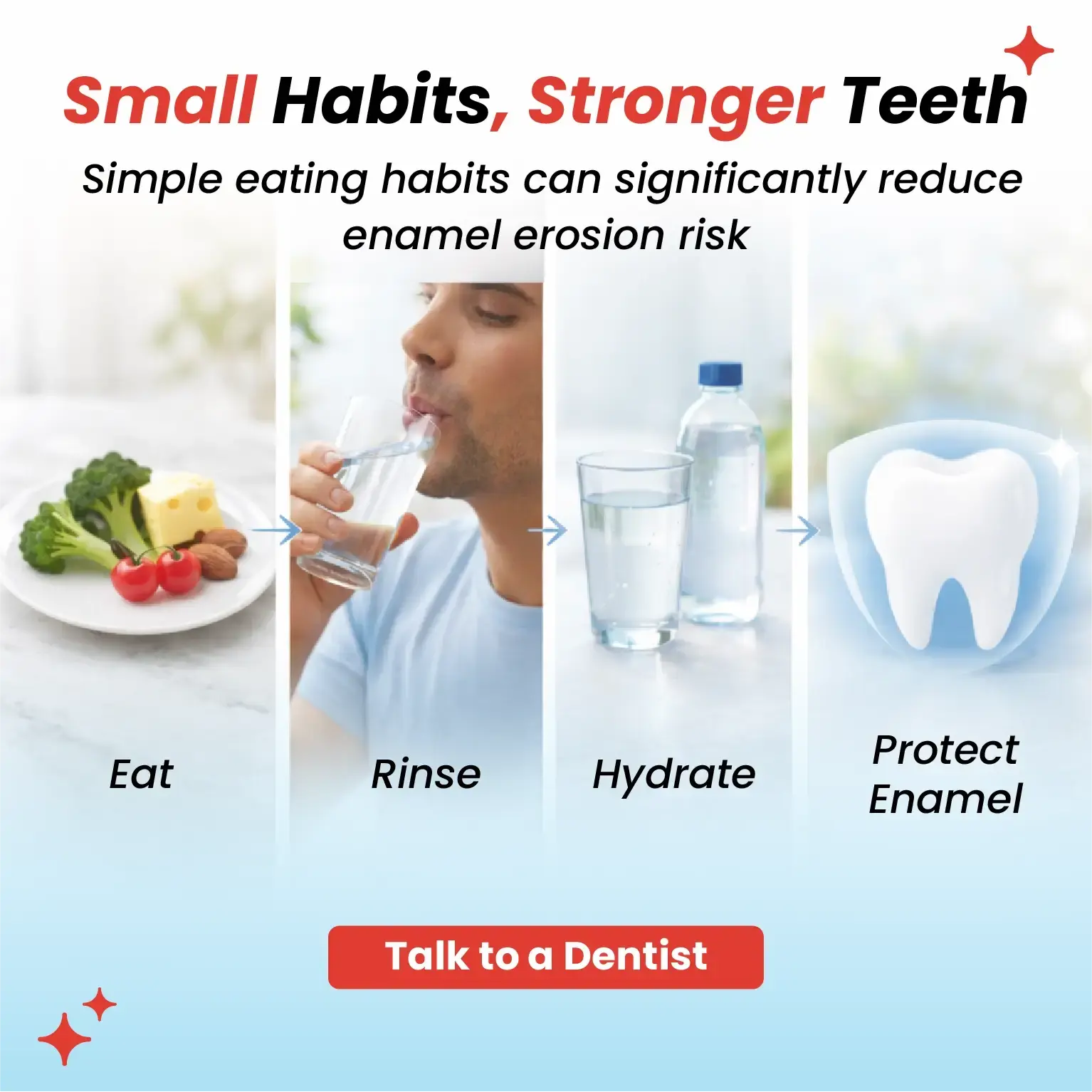
Dietary habits play a direct role in shaping dental health. The connection between nutrition and tooth enamel integrity is not just theoretical; it is consistently observed in clinical practice and regularly discussed with patients as a key factor in maintaining strong, healthy teeth.
Does food temperature affect tooth enamel?
Yes, extreme food and beverage temperatures can impact tooth enamel. Sudden shifts like drinking hot coffee followed by ice-cold water can create thermal stress on the enamel.
Over time, this repeated expansion and contraction may weaken the enamel surface and make teeth more vulnerable to damage, especially when combined with acidic exposure.
Practical eating habits to follow to maintain a healthy tooth enamel
- You can end meals with a small piece of cheddar cheese or a few almonds, as both are calcium-rich foods that help buffer acids
- If you are having any citrus fruit for breakfast, pair it with yogurt or milk
- When eating tomato-based pasta (acidic), include a side of steamed broccoli or spinach, which are alkaline vegetables
- Follow your morning orange juice with whole-grain toast rather than drinking it alone on an empty stomach.
- You can also use a straw positioned toward the back of your mouth to minimize tooth contact with acidic foods and teeth
- You can also dilute fruit juices with water, which is like a 50/50 ratio, significantly reducing the acid concentration
- Switch to drinking still water instead of sparkling water between meals, as carbonation creates carbonic acid
Please avoid dried fruits (as they are concentrated with sugars that stick to teeth), sour gummy candies (the worst combination of sugar and citric acid), and granola bars (often surprisingly high in both sugar and sticky texture).
The Role of Hydration Throughout the Day
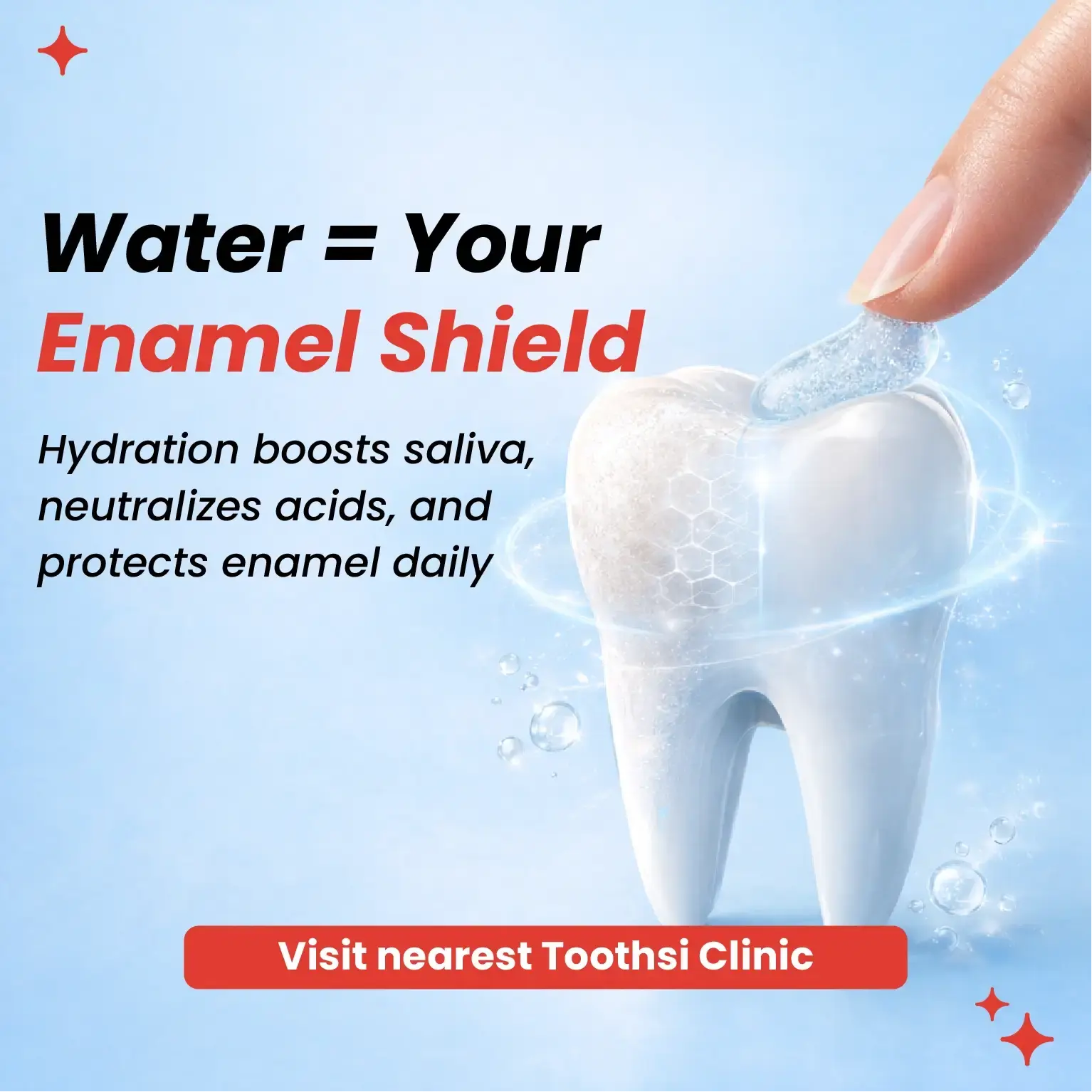
Staying hydrated plays a vital role in maintaining your oral health and protecting tooth enamel. Water assists in washing away food particles, neutralizes acids, and supports saliva production, which is your mouth’s natural defense against enamel erosion.
Along with regular hydration, using water flosser can further enhance your oral care routine. It helps remove debris from hard-to-reach areas, reduces plaque buildup, and supports healthier gums, contributing to stronger, well-protected enamel over time.
Try to:
- Drink a glass of water upon waking to stimulate saliva after the dry overnight period
- Keep water at your desk and sip regularly rather than gulping large amounts infrequently
- If you are in a dry environment (air conditioning or heating), increase water intake accordingly.
Don’t let enamel erosion slow you down. Take control of your oral health and book an appointment with Toothsi now!
Key Takeaways:
- Foods high in acid and sugar (sodas, citrus, dried fruits, alcohol) are major causes of enamel erosion.
- Enamel begins to weaken when mouth pH drops below 5.5.
- Frequent snacking and sipping acidic drinks increase the risk of gradual enamel wear.
- Tooth enamel-friendly foods like dairy, leafy greens, nuts, and crunchy vegetables help strengthen enamel.
- Avoid brushing immediately after acidic foods and wait 30 to 60 minutes to protect softened enamel.
- Staying hydrated supports saliva production, which helps neutralize acids and protect enamel.
- A balanced diet combined with mindful eating habits is the best long-term strategy for enamel protection.