

How Toothpaste and Oral Care Choices Protect Enamel Everyday

MDS - Orthodontics, the Co-Founder & CEO of MakeO Toothsi. A certified lingual orthodontist with 15 years overall experience.
Updated on April 23, 2026

Tooth enamel is the most important part of your dental routine. That is why dental professionals at Toothsi emphasize choosing the right tooth enamel care products as part of a consistent oral hygiene routine.
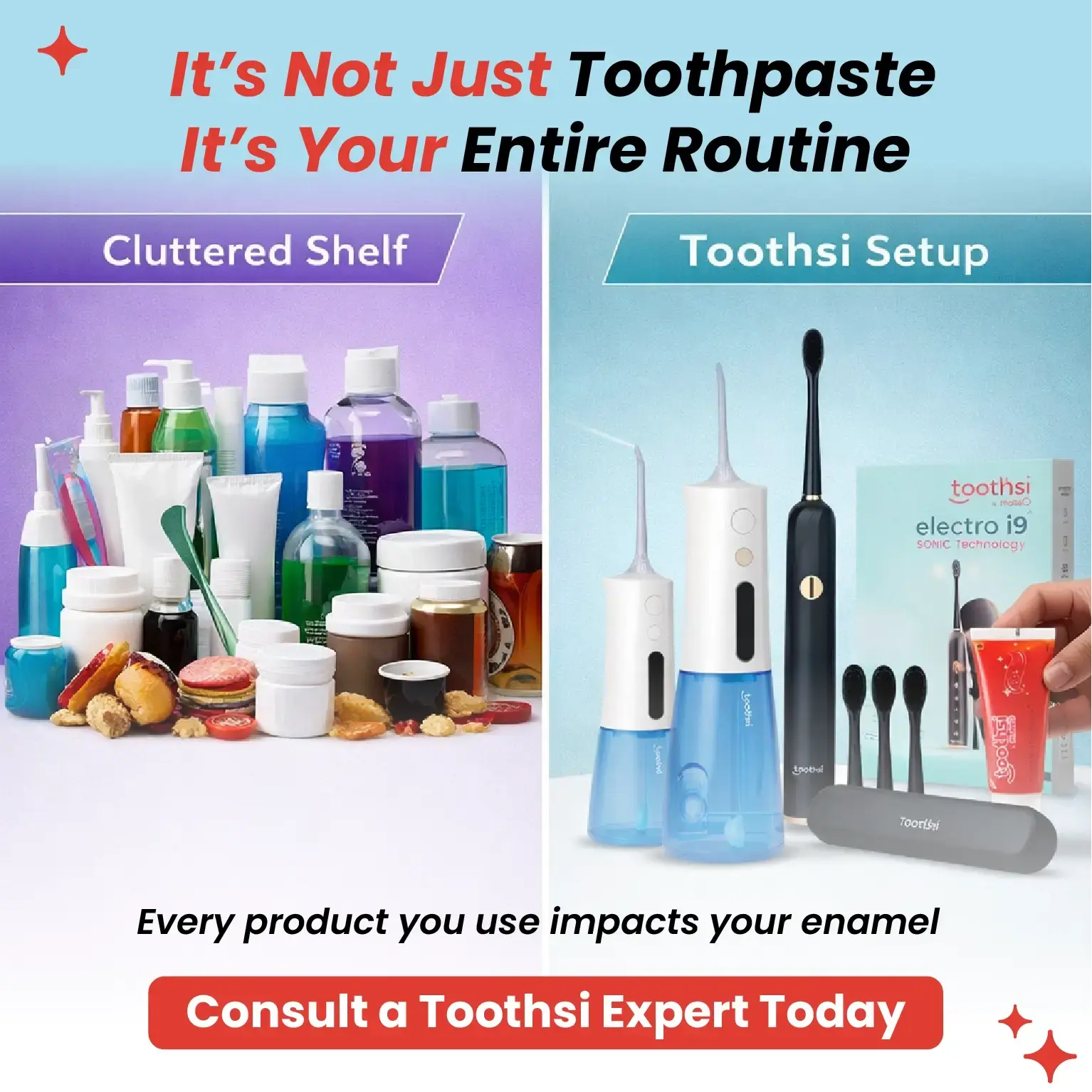
From the toothpaste you use to the products on your bathroom shelf, these everyday choices help protect enamel over time.
Choosing the right oral care products that interact with enamel allows you to make more informed, enamel-conscious choices. In this blog, we help you understand which food ingredients can protect or weaken tooth enamel.
Don’t Let Your Enamel Fade Away. Visit the Nearest Dental Clinic Today!
How Toothpaste Supports Tooth Enamel Strength
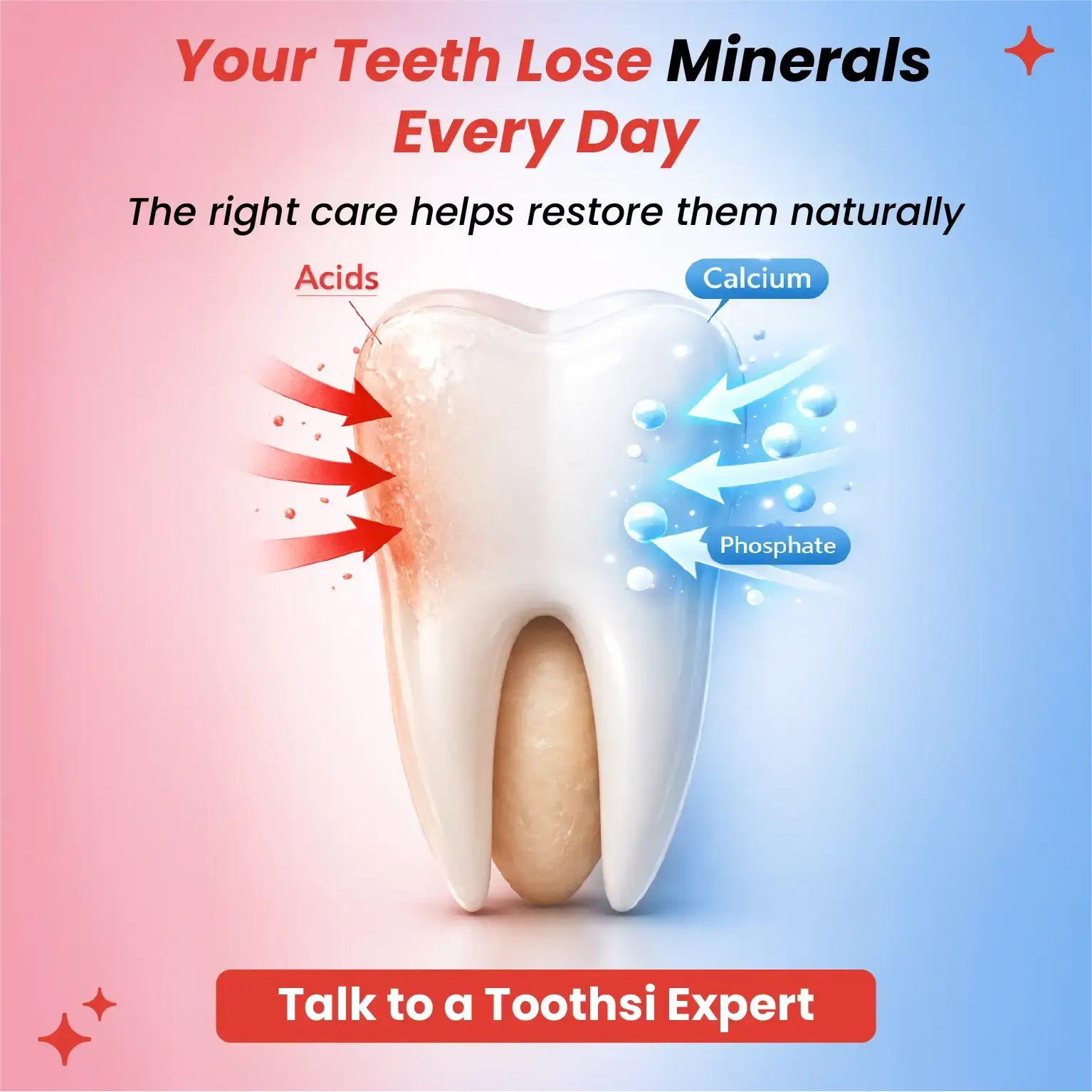
Our Tooth enamel constantly fights battles with acids and daily wear and tear.
Choosing the right toothpaste is essential for maintaining its strength, but before that understanding how these tooth enamel care products work helps you make informed choices for your oral care routine.
How Enamel Protection Works
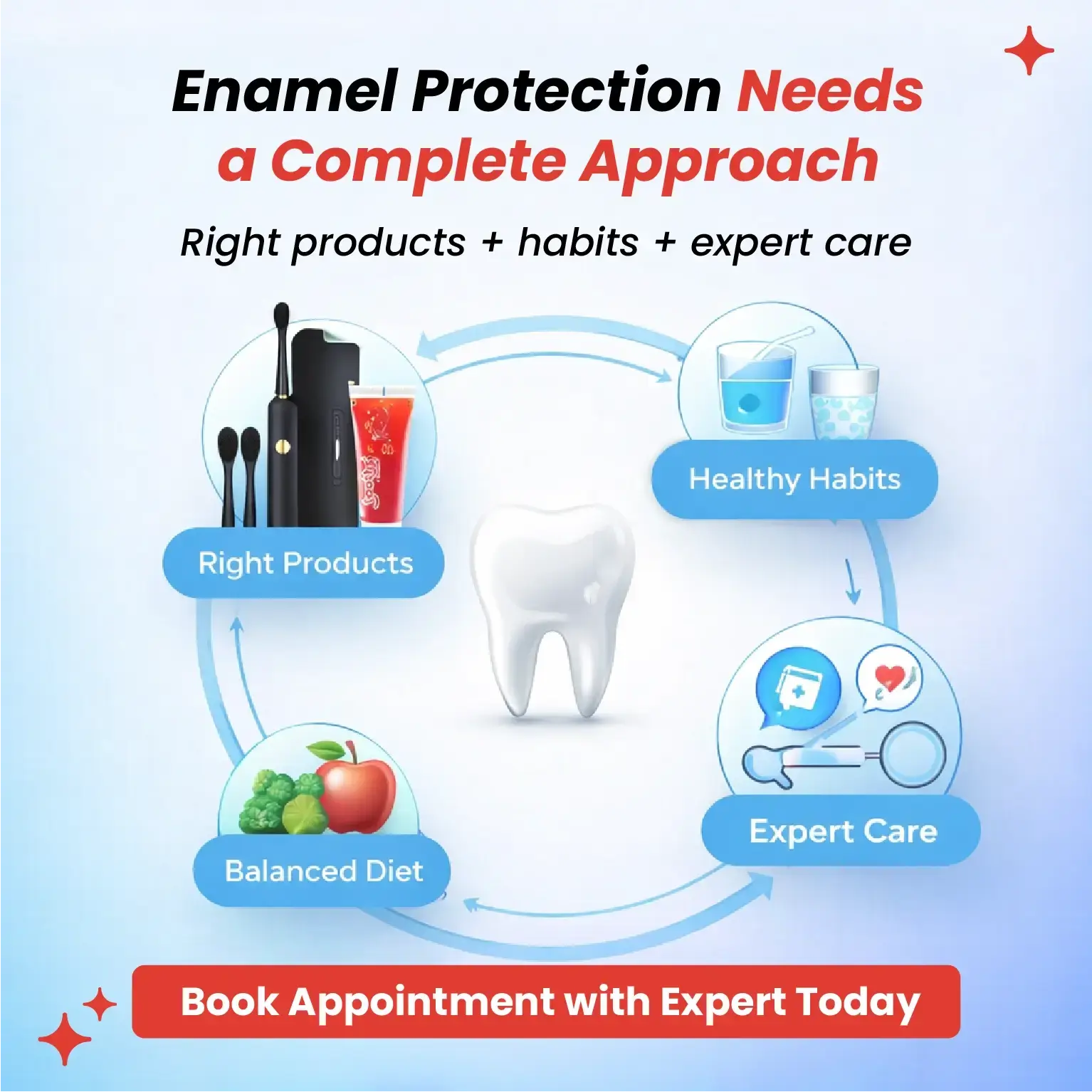
Tooth enamel undergoes a natural demineralization process throughout the day as acids dissolve calcium and phosphate minerals. The right toothpaste for enamel protection helps reverse this process by delivering key ingredients that support remineralization.
At Toothsi, we create oral care solutions that fit into everyday routines, with enamel support, ingredient transparency, and safety at the center of daily dental care choices.
Key Ingredients That Help Protect Tooth Enamel

When you are on the journey of protecting your tooth enamel, you should work to choose those tooth enamel care products whose ingredients do not affect or weaken your tooth enamel.
Ingredients matter just as much as daily brushing habits. It is recommended by Dr. Arpi Mehta to pay attention to what goes into your toothpaste for tooth enamel care, as certain ingredients are widely used to support enamel safety and everyday protection.
Rather than delivering instant results, these ingredients are intended to work gradually as part of a consistent oral care routine.
Calcium
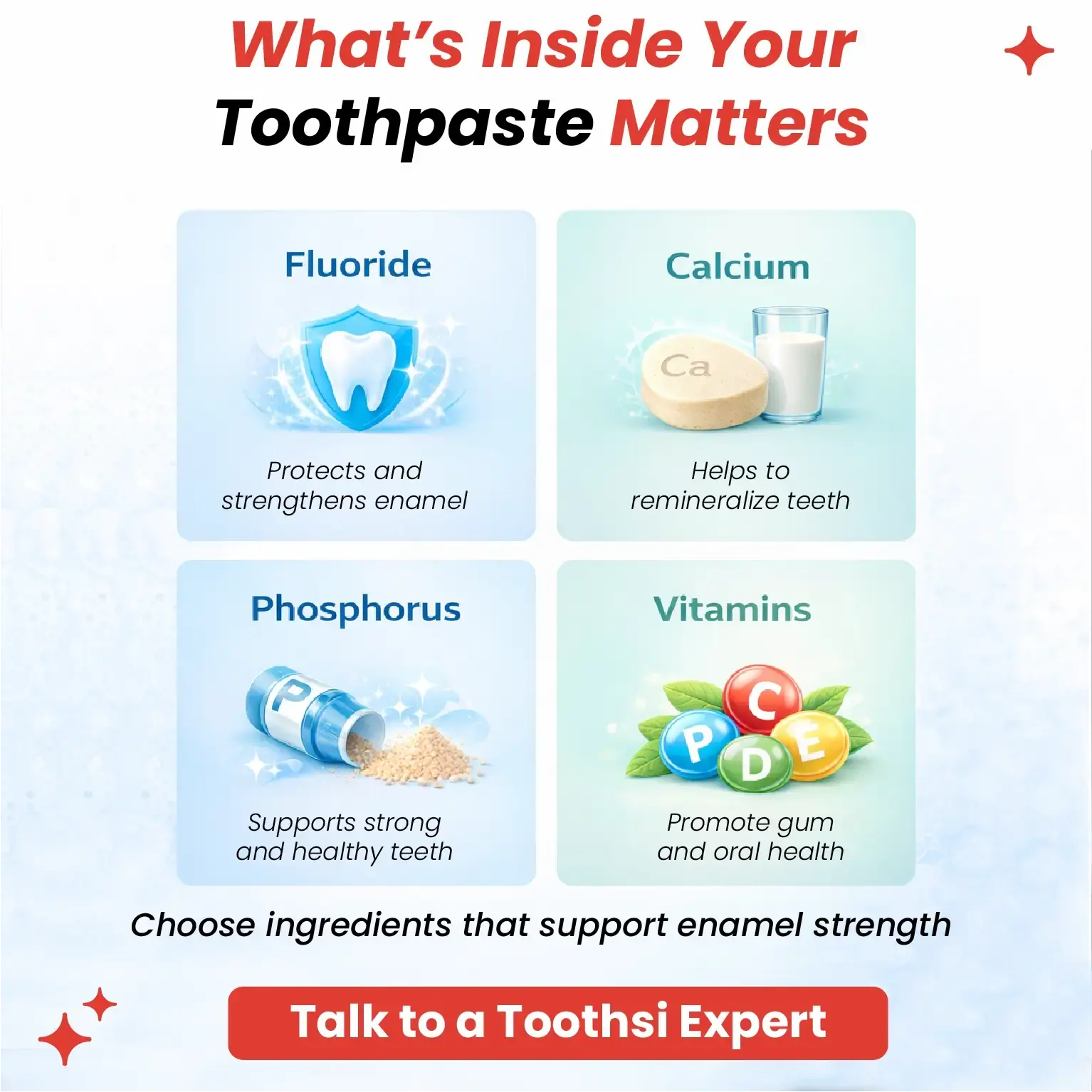
Calcium, as an ingredient, is not only good for your bones but great for your teeth, too. According to the National Institutes of Health, calcium is one of the most important minerals in the human body because it helps form and maintain strong bones and teeth.
Get it daily from dairy like milk and yogurt, which your body absorbs easily. Vegetarians can turn to veggies such as broccoli, collards, kale, mustard greens, turnip greens, and bok choy, as well as nuts like almonds, Brazil nuts, sunflower seeds, and tahini.
Cook these lightly, like steaming or sautéing in little water, to keep calcium in. Supplements work too.
Phosphorous
Phosphorus is an essential nutrient for healthy teeth. Phosphorus helps the body absorb and use calcium and strengthens teeth by protecting and rebuilding tooth enamel.
<br.
If you are looking to add phosphorus to your daily diet, then eat meat, milk, and whole grains. Fish, eggs, and protein-rich foods are also excellent sources. Luckily, most people get enough of this vitamin from their regular diet without needing supplements.
Vitamin D
Vitamin D is one of the most important factors in keeping your teeth healthy and strong. Recent research indicates that a vitamin D deficiency can significantly increase the risk of oral health issues, including gum inflammation, cavities, and periodontal (gum) disease.
Low vitamin D levels can weaken your body’s immune response, making it harder to fight harmful oral bacteria while also affecting tooth mineralization. In simple terms, if your vitamin D levels are low, your teeth and gums become more vulnerable to damage and infection.
Vitamin D plays a crucial role in maintaining healthy bone and tooth mineralization. To get vitamin D, you can take supplements prescribed by your doctor, and it is also available in oily fish like salmon, mackerel, and herring. Additionally, some foods are vitamin D fortified, like milk and breakfast cereals.
Fluoride: A Commonly Recommended Enamel-Support Ingredient
Fluoride is one of the most well-known ingredients found in tooth enamel protection toothpaste. General dental guidance often highlights fluoride because it helps make the tooth surface more resistant to everyday acid exposure from food and beverages.
When used regularly, fluoride toothpaste helps strengthen enamel by reinforcing its natural defenses against daily wear, making it a staple in many enamel-focused formulations.
Vitamin C
Vitamin C is a very good option for teeth health. It helps protect the gum. Vitamin C helps keep the connective tissue in your gums healthy and strong, which holds your teeth in place, so a deficiency can lead to bleeding gums and gum disease.
Further, vitamin C supplements also reduce erosive tooth wear in early childhood. You’re likely getting a lot of vitamin C in your diet, as it’s present in citrus fruits, peppers, sweet potatoes, broccoli, berries, and kale. Supplements are also widely available.
Vitamin A
Vitamin A is not only good for your eyes and skin, but it’s also great for your mouth, particularly your saliva production.
Saliva can help break down food and remove bacteria from between your teeth. You can find Vitamin A in orange-colored fruits and vegetables, like carrots, sweet potatoes, bell peppers, plus fish and egg yolks. It’s also available as a supplement.
Oral Products & Habits That Can Weaken Tooth Enamel
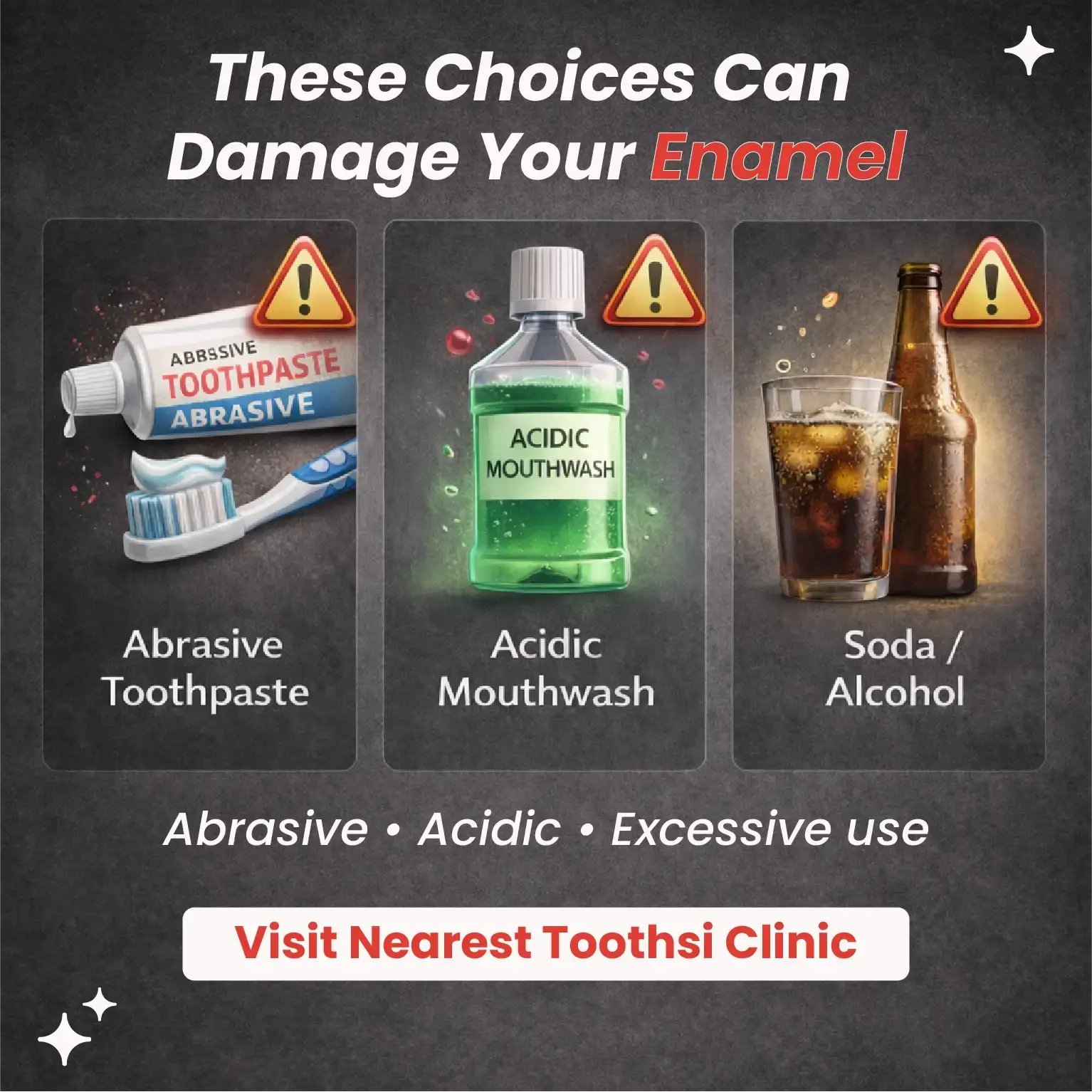
Tooth enamel is one of the hardest substances in the human body! Despite this mineral's powerhouse strength, teeth are highly susceptible to damage and decay.
We all know that eating healthy is important to our bodies, but it is also vital to our teeth. These are the products we consume every day. Clinical studies show the damage they cause to tooth enamel over time. A little preventative knowledge and a few tips can go a long way in saving your enamel!
Support Your Enamel Daily with Ingredient-Conscious Oral Care. Visit the nearest dental clinic for your enamel protection.
Highly Abrasive Toothpastes
High-abrasive toothpastes are formulated with strong abrasive agents that deliver intense cleaning or stain removal properties.
Acidic Mouthwashes
Acidic mouthwashes disturbs your tooth enamel. As they have strong additives that may disrupt the oral environment if used regularly. Using the right pH balance can help maintain healthy tooth enamel.
Toothpastes with Excessive Foaming Agents
While foaming creates a “clean” sensation, it is commonly explained that excessive foaming agents are not essential for effective cleaning.
In some cases, these ingredients may encourage overbrushing, which can increase mechanical wear on enamel. Enamel-friendly toothpaste formulations typically prioritize balanced cleansing over intense foam.
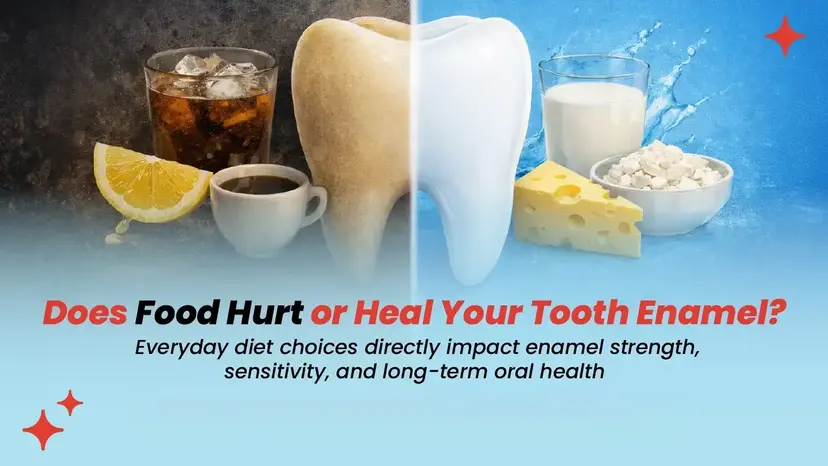
Carbonated Beverages
When it comes to carbonated beverages, the combination of acidic components and sugar is a deadly force. Plus, even sugar-free sodas have ingredients that are very harmful to enamel.
If you can’t give up your soda, try a natural alternative or a sugar-free version instead. At the very least, rinse your can with water after finishing your soda pop, and always try to drink it with a straw.
Alcohol
Alcohol, such as whiskey, beer, or wine, has a tendency to dry out your mouth. Saliva is super important to the health of your teeth, as strange as that may seem.
Anything with a high alcohol content will dry out the saliva glands in your mouth. In the long term, this will wreak havoc on the healthy bacteria in your mouth. Healthy bacteria help to protect tooth enamel. When this is absent or threatened, the result is often dental decay and gum disease.
Popcorn
Popcorn falls under the category of starchy carbs. The unpopped kernels can get stuck between teeth and under dental prostheses and have also been known to cause fractures and breakage. As tempting as it may be to chew on some popcorn kernels, don’t do it!
Caffeinated Beverages
While the biggest complaint with coffee and tea is dark staining, these drinks contain acidic and other natural compounds that can dry out the mouth.
While these beverages may be low on the list of dangerous beverages, it’s still important to be mindful of their effects. Rinse with water after drinking or consider using a straw.
Save your smile while you still can, talk to a dentist today.
Key Takeaways:
- The right toothpaste supports enamel through remineralization and surface protection.
- Key ingredients like fluoride, calcium, phosphorus, and vitamins help maintain enamel strength over time.
- Enamel care is gradual and routine-based, not an instant-result process.
- Highly abrasive toothpastes and acidic mouthwashes can contribute to enamel wear if overused.
- Balanced oral care focuses on gentle cleaning, ingredient awareness, and consistent habits.
- Protecting enamel requires a holistic approach combining products, diet, and daily hygiene practices.