

Saving Your Teeth’s Enamel: Dentist-Recommended Treatments

MDS - Orthodontics, 20+ years of experience. Co-Founder of MakeO, consultant lingual Orthodontist, inventor of India's 1st CAD/CAM lingual bracket system, and aligners specialist.
Updated on April 21, 2026
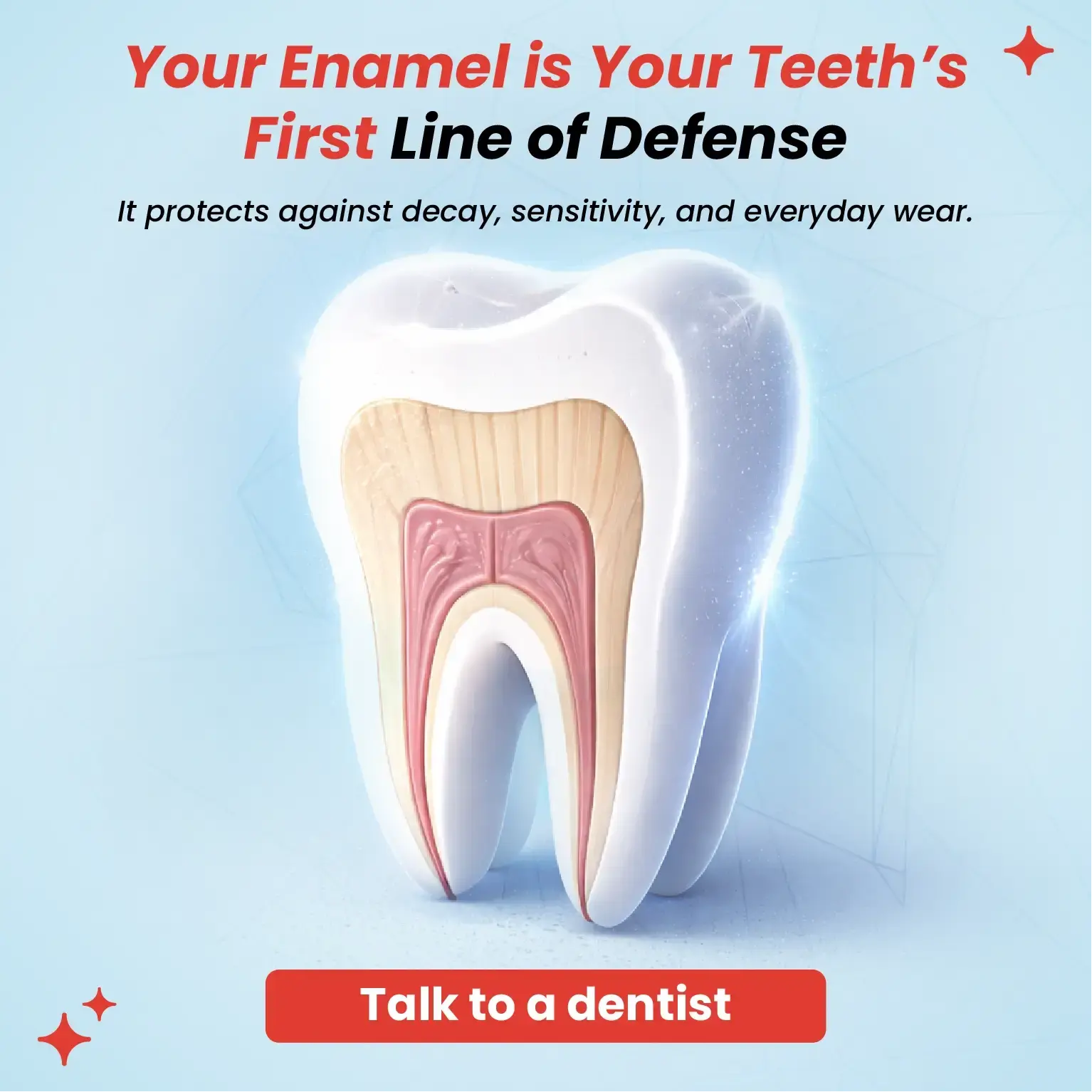
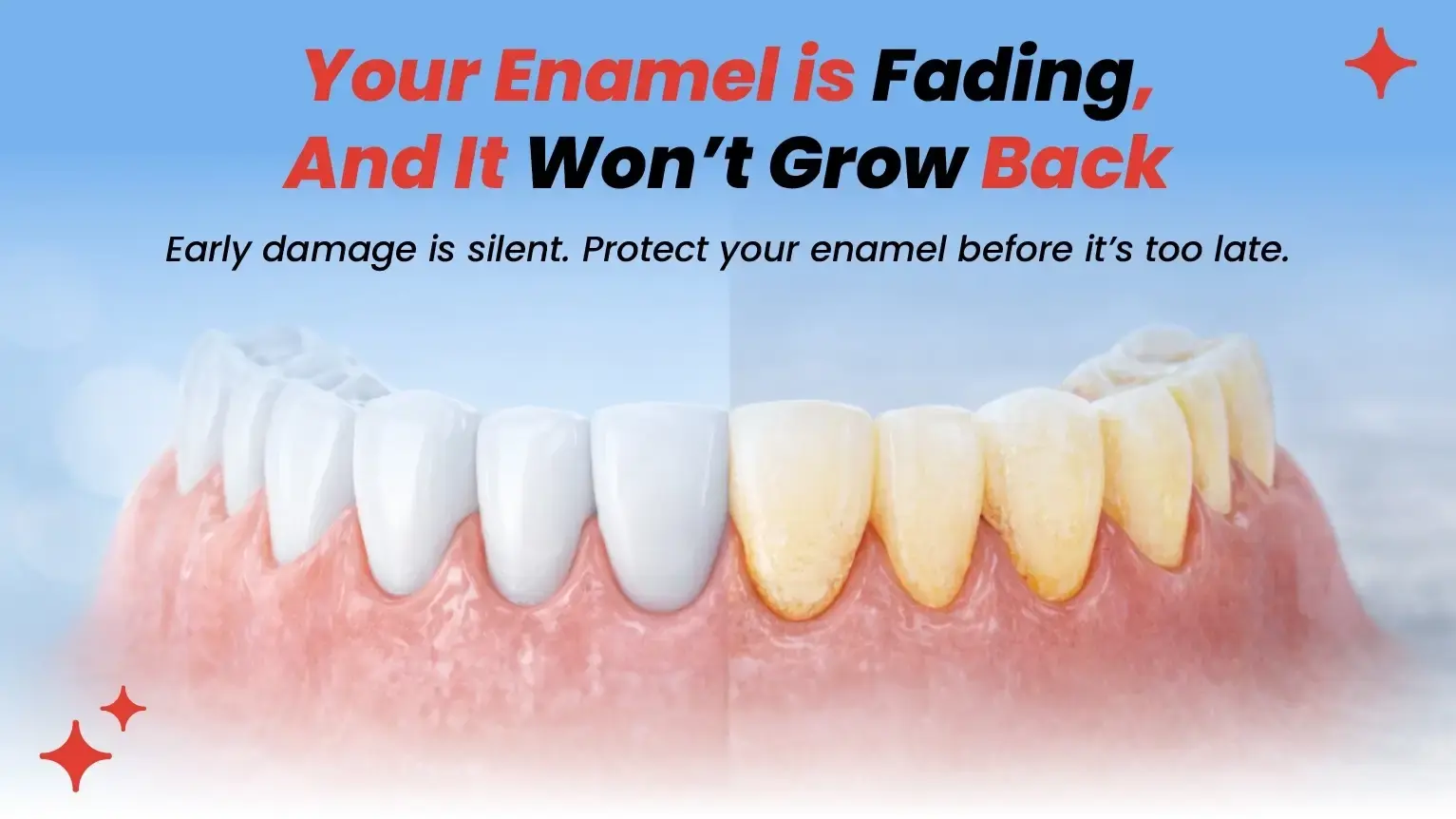
Tooth enamel is the outer protective layer of your teeth that acts as a strong barrier against daily wear, acids, and decay. Enamel loss often begins silently, with early signs such as sensitivity, discoloration, and thinning appearing only after the damage has progressed. Since enamel cannot regenerate once lost, early detection and preventive care become critical.
Everyday habits like frequent consumption of acidic foods, inconsistent oral care, and improper brushing techniques can gradually weaken this protective barrier.
As enamel begins to wear down, teeth may become more sensitive, prone to discoloration, and vulnerable to damage. What makes this more concerning is that enamel does not regenerate once it’s lost. However, with the right care, early intervention, and informed choices, you can slow down the damage and protect what remains.
Protect your teeth's enamel by visiting the nearest dental clinic or book your appointment now.
Why is Tooth Enamel your Teeth’s Invisible Shield?
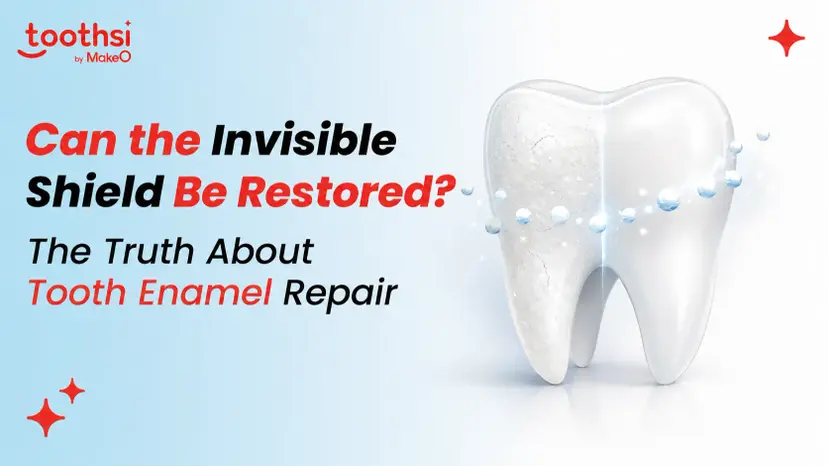
Tooth enamel acts as a protective outer layer that covers the visible part of your teeth (the crown) and safeguards the inner structures from daily wear, acids, and bacteria. Tooth enamel serves as the initial barrier against cavities, decay, and physical damage.

When enamel begins to wear down, teeth become more vulnerable to issues like tooth decay and sensitivity, especially to hot and cold foods. As the damage progresses, the risk of discomfort increases.
Enamel is made up of approximately 95% minerals, primarily calcium and phosphorus, which give it its strength and durability. However, once it is significantly damaged or lost, it cannot regenerate. This makes early protection and proper care essential for maintaining long-term oral health and preserving your smile.
What Causes Enamel Loss?
Tooth enamel loss doesn’t happen overnight. It is usually the result of multiple everyday factors that gradually weaken and wear down the protective outer layer of your teeth.
- Gastroesophageal reflux disease (GERD): Stomach acids that flow back into the mouth can significantly damage tooth enamel, as they are highly corrosive in nature.
- Genetic factors: Some individuals naturally have thinner or underdeveloped enamel, a condition known as enamel hypoplasia, making their teeth more vulnerable to damage.
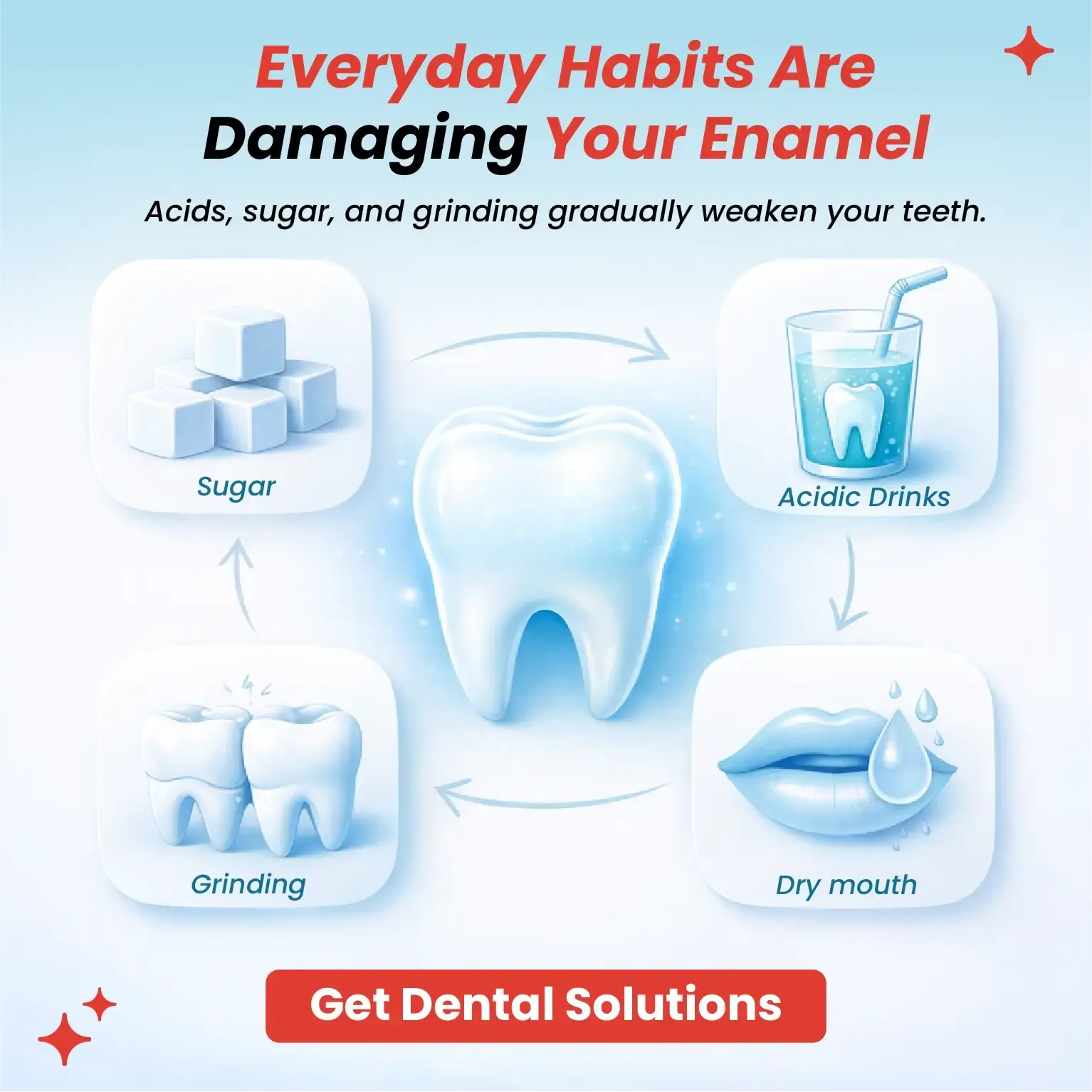
- High-sugar diet: Foods and drinks rich in sugar feed harmful bacteria in the mouth. These bacteria produce acids that attack and break down tooth enamel over time.
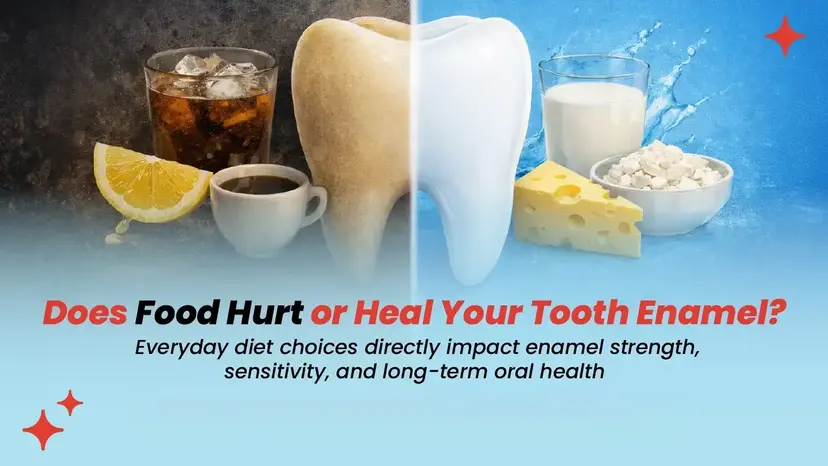
- Frequent consumption of acidic foods: Items like citrus fruits, sodas, and vinegar-based foods contain acids that can directly erode enamel with repeated exposure.
- Dry mouth (low saliva production): Saliva plays a crucial role in washing away food particles and neutralizing acids. A lack of saliva increases the risk of enamel erosion, cavities, and gum issues.
- Teeth grinding or clenching (bruxism): Excessive pressure from grinding or clenching can wear down enamel, leading to thinning, cracks, and overall weakening of the teeth.
What are the Common Signs of Enamel Loss?
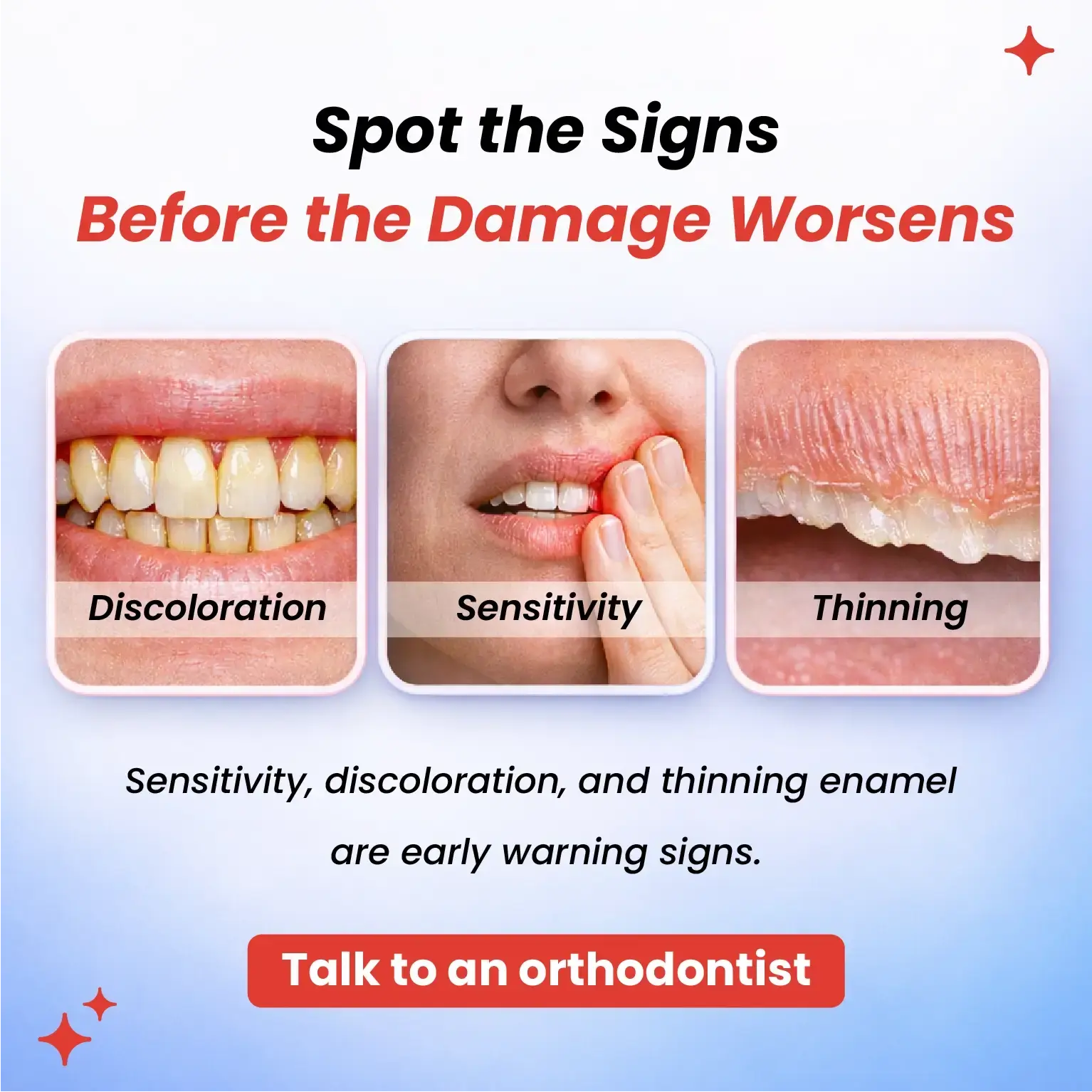
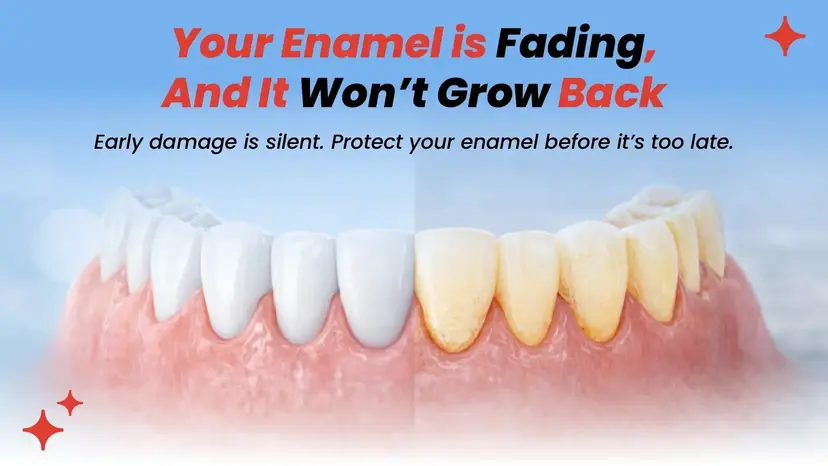
- Discoloration of the tooth: When enamel loss occurs, the underlying portion of the tooth will be exposed. This can lead to yellowish discoloration of the tooth.
- Sensitivity: You can feel dull aching pain when the tooth is exposed to hot or spicy foods.
- Cracks: When there is a breakdown of your enamel, the margins of your teeth can become rougher.
- Dental caries: When your enamel is weak, the tooth will be prone to cavities.
- Fractured teeth: Gradual wearing of your enamel can cause fractures of your teeth.
Enamel loss often develops gradually, which makes it easy to overlook in the early stages. Since enamel does not contain nerves, the damage may not cause immediate pain. However, there are several visible and physical signs that can indicate your enamel is weakening.
When Does Tooth Enamel Loss Need Professional Treatment?
Tooth enamel loss often starts silently, with no noticeable symptoms in the early stages. While minor damage can be managed with good oral care and remineralization, professional treatment is needed when you experience issues like:
Initial demineralization: At first, enamel loss begins with demineralization. In this phase, acids can weaken the tooth structure. The visible changes are not apparent, but the damage has occurred.
Weakening of enamel: Teeth become more sensitive, and the enamel's protective layer loses its integrity. The teeth will appear less shiny, and the tooth will be prone to staining.
Visible thinning: When the enamel loses its mineral content, it becomes thinner and more translucent.
Structural damage: When there is significant enamel loss, the tooth becomes vulnerable to decay. The tooth loses its natural contour, making it susceptible to fracture.
Severe erosion: In cases of chronic erosion, the enamel is completely lost, exposing the dentin (the layer beneath the enamel).
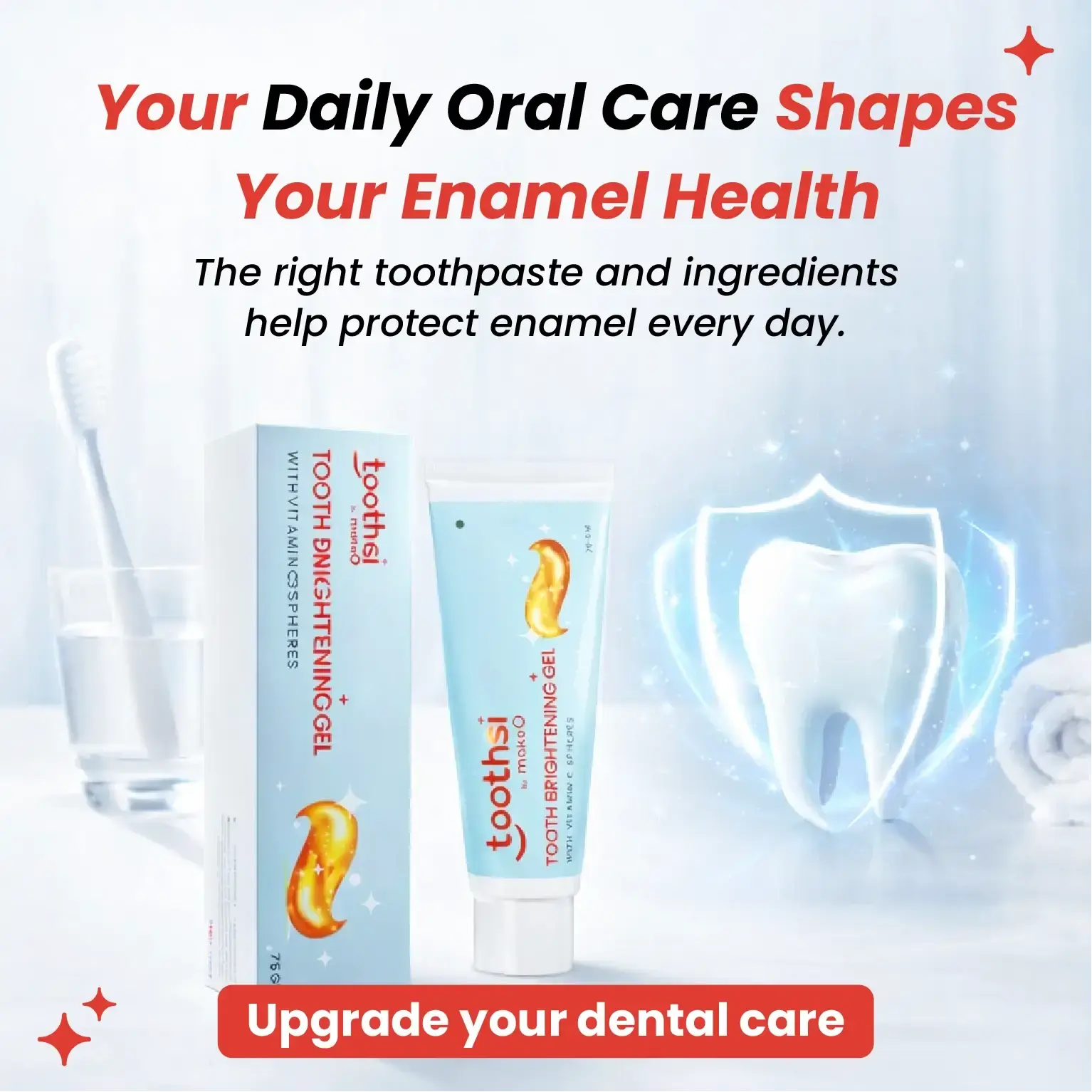
When you notice these common issues, professional treatment is needed. At Toothsi, we recommend dentist-led treatment for tooth enamel loss as soon as these changes are detected. Our dentists use personalized, restorative approaches to slow enamel erosion and help you maintain long-term oral health before the damage becomes irreversible.
How Do Fluoride and Sealants Help Protect Tooth Enamel?
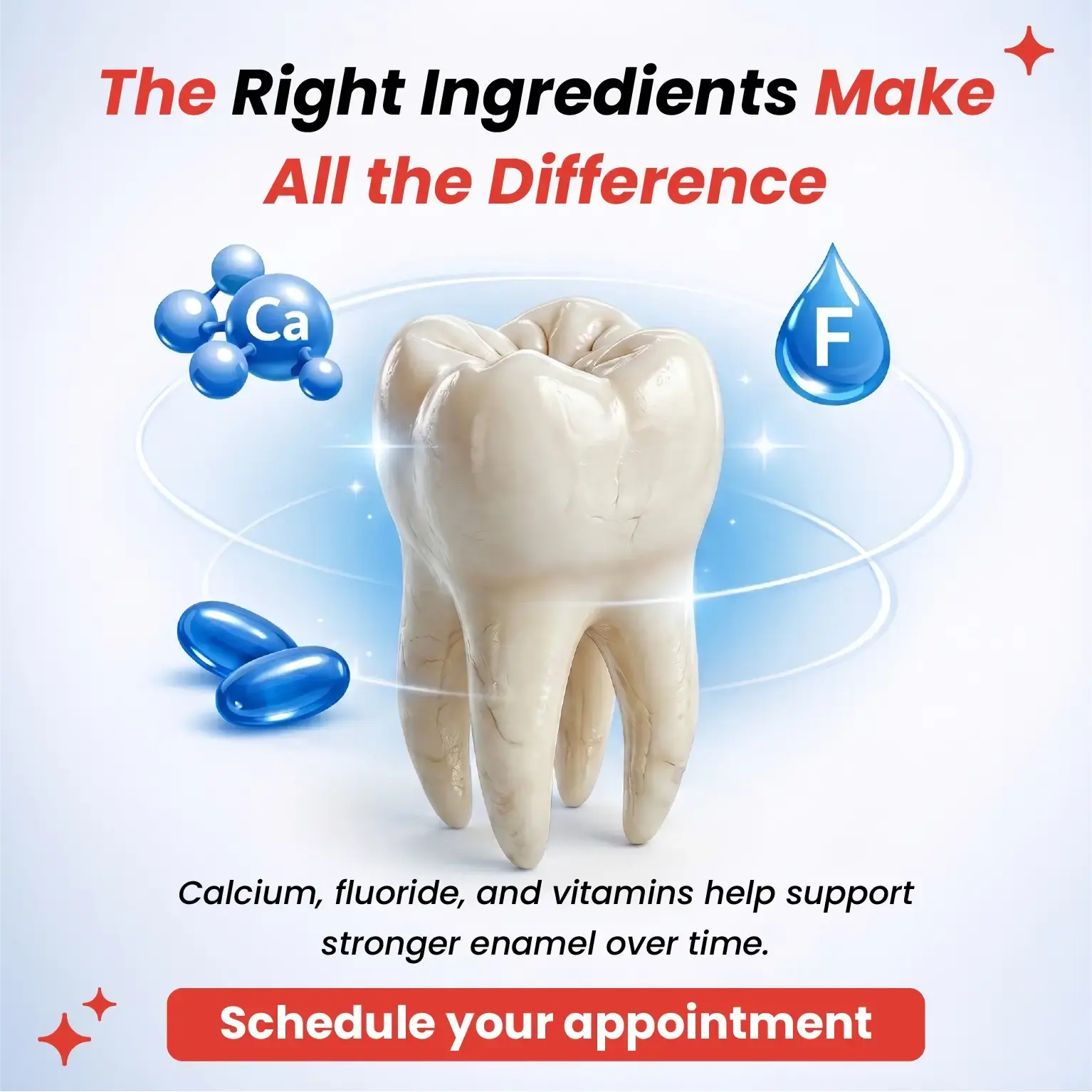
Fluoride is a mineral that is found naturally and helps with tooth remineralization. Your enamel loses its strength and minerals when it is exposed to acids from foods. This process is called tooth demineralization.
Minerals such as calcium, fluoride, and phosphate can help with tooth remineralization.
Fluoride can be obtained naturally or through tooth enamel protection toothpastes or mouthwashes. The dentist can apply fluoride as a varnish, foam, or gel. Children from 6 months to 16 years of age require a sufficient amount of fluoride.
Varnish | It is applied directly to the teeth. |
|---|---|
Foam | The fluoride will be dispensed into the custom tray and placed over the teeth. |
Gel | The dentist will either apply it to the teeth or deliver it in a custom tray. |
Benefits of fluoride:
- Remineralizes the tooth enamel
- It helps reverse the tooth decay
- Prevents the progress of caries-causing microorganisms
- Delay the tooth demineralization process.
Sealants:
Sealants are liquid coatings applied to the chewing surfaces of your back teeth. After applying the sealants to the teeth, the dentist will cure them. This will help protect the teeth from harmful caries-causing bacteria. The constituents of dental sealants include,
- Resins
- Glass ionomers
Steps of sealant application:
- Clean and isolate the tooth properly with the help of cotton gauze.
- Apply the acid-etching solution to the chewing surface of the teeth; that helps in bonding the sealants.
- Make the tooth dry
- Apply the sealant to the tooth surface.
- A curing light is used to cure the material, which helps form a strong bond with the tooth.
Restorative Options for Severe Tooth Enamel Loss
When enamel loss is intense, restorative treatment options can help protect your smile:
Dental bonding:
Dental bonding is a minimally invasive procedure that helps in repairing damaged enamel. It involves applying an adhesive, tooth-colored material to the tooth surface. The bonding agent will be applied, followed by placement of the composite resin. This will then be hardened with a curing light, which provides enamel protection and restores the tooth's ideal appearance.
Onlays/inlays:
Onlays/inlays are partial restorations that help restore chewing surfaces. It helps deflect chewing forces and provides proper care.
Crown:
When a large portion of the tooth is damaged, a crown that covers the whole tooth is required. This improves the tooth's function and prevents further damage.
Veneers:
These are thin porcelain shells that hide enamel defects. Veneers enhance aesthetics and can be used for moderate to severe enamel loss.
How do dentists at Toothsi prevent further tooth enamel damage?
reventing further enamel damage starts with identifying the issue early and addressing its root cause through expert care. A structured approach combining treatment, awareness, and consistent monitoring helps slow down enamel loss effectively.
Our dentists prevent further enamel loss by focusing on:
- Early diagnosis
- Professional treatment
- Creating patient awareness
- Continuous monitoring
We will also guide you on:
- Brushing techniques
- Dietary modifications
- Routine dental checkups.
To conclude, tooth enamel plays an important role in protecting the teeth from caries, sensitivity, and damage. Even though enamel loss cannot be reversed, timely treatment and preventive strategies can stop its progression.
At Toothsi, we help you recognize the root cause of enamel loss and identify its early warning signs, which is one of the most effective ways to prevent further enamel loss.
Our professional team of 1,500+ expert dentists focuses on early detection, individualized care, and effective treatment plans to prevent further enamel damage. If you are experiencing mild sensitivity or early signs of tooth enamel loss, timely intervention at Toothsi can help preserve your enamel and support long-term oral health.
So, why wait? Visit your nearest dental clinic and take the first step towards preserving your tooth!
Key Takeaways:
- Tooth enamel cannot regrow once lost
- Damage happens gradually and often without early symptoms
- Common causes: acidic foods, sugar, dry mouth, grinding
- Early signs include sensitivity, discoloration, thinning
- Fluoride helps strengthen and protect enamel
- Severe damage may need bonding, veneers, or crowns
- Regular dental checkups are essential for early detection
- Good diet and oral care help prevent further enamel loss