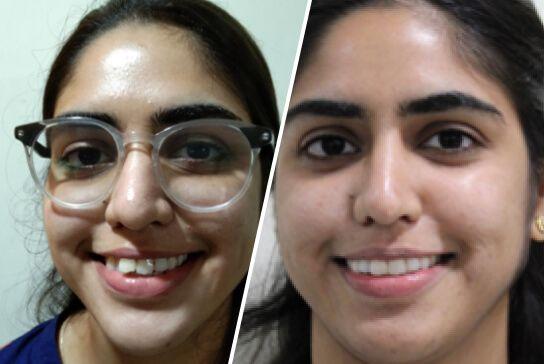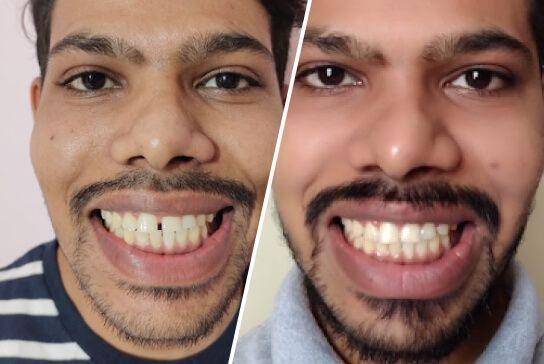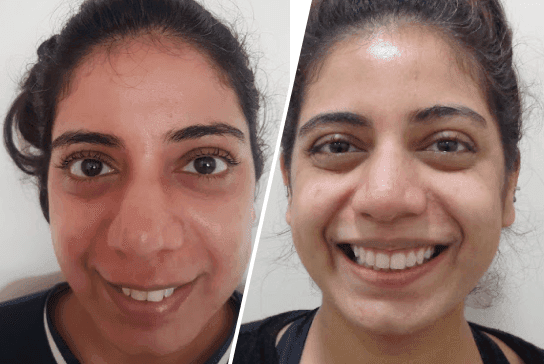
Can Clear Aligners Fix Complex Teeth Misalignment Cases?

MDS - Orthodontics, a dentist, dentofacial orthopedic specialist with 15 years of experience overall He specializes in complex orthodontics, lingual braces, and clear aligners at Toothsi.
Updated on November 10, 2026
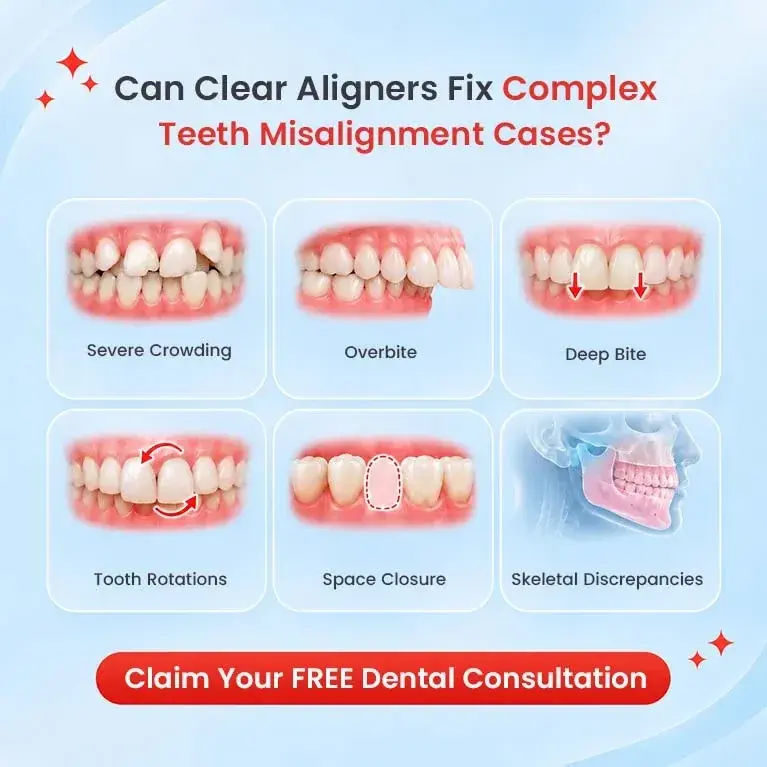
Yes, invisible aligners can treat many complex orthodontic cases, including significant crowding, certain bite problems, tooth rotations, and some cases requiring space management. However, their suitability depends on the type and severity of the malocclusion, the position of the teeth and jaws, and the movements required to achieve a stable bite.
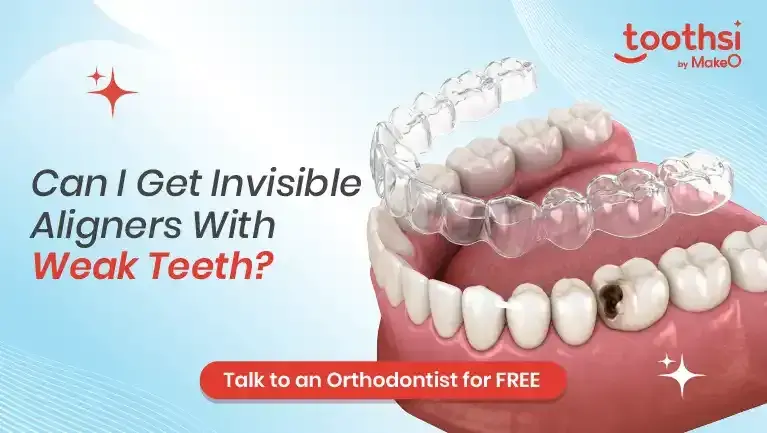
Invisible aligners, also known as clear aligners are custom-made, removable orthodontic appliances that apply controlled forces to move teeth gradually. Modern treatment planning and additional orthodontic techniques have expanded their use beyond minor spacing and alignment concerns. Nevertheless, a digital treatment simulation alone cannot establish whether a complex case can be corrected predictably. A clinical examination by an orthodontist is essential.
What Makes an Orthodontic Case Complex?
An orthodontic case is considered complex when correcting the teeth requires substantial movement, precise control of tooth position, or correction of multiple problems simultaneously.
Common examples include:
Severe crowding, where insufficient space causes teeth to overlap or become displaced.
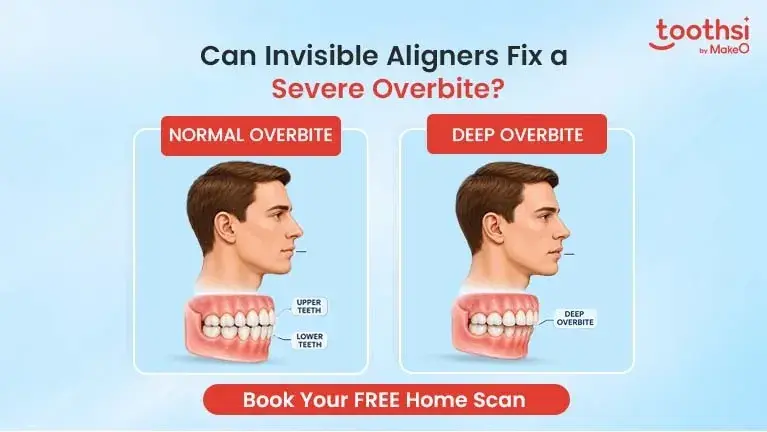
Significant overbite or underbite, where the upper and lower teeth do not meet in the intended relationship.
Deep bite or open bite, involving abnormal vertical overlap or separation between the front teeth.
Substantial tooth rotations, particularly involving teeth that are difficult to rotate predictably.
Cases requiring extractions, extensive space closure, or coordinated treatment of multiple bite problems.
Skeletal discrepancies, where the upper or lower jaw is positioned differently from its ideal relationship.
The distinction between a dental problem and a skeletal problem is particularly important. Dental problems arise primarily from tooth position, whereas skeletal problems involve the size, position, or relationship of the jaws. Aligners can move teeth, but they cannot independently reposition an adult's jaw bones.
How Do Invisible Aligners Treat Complex Cases?
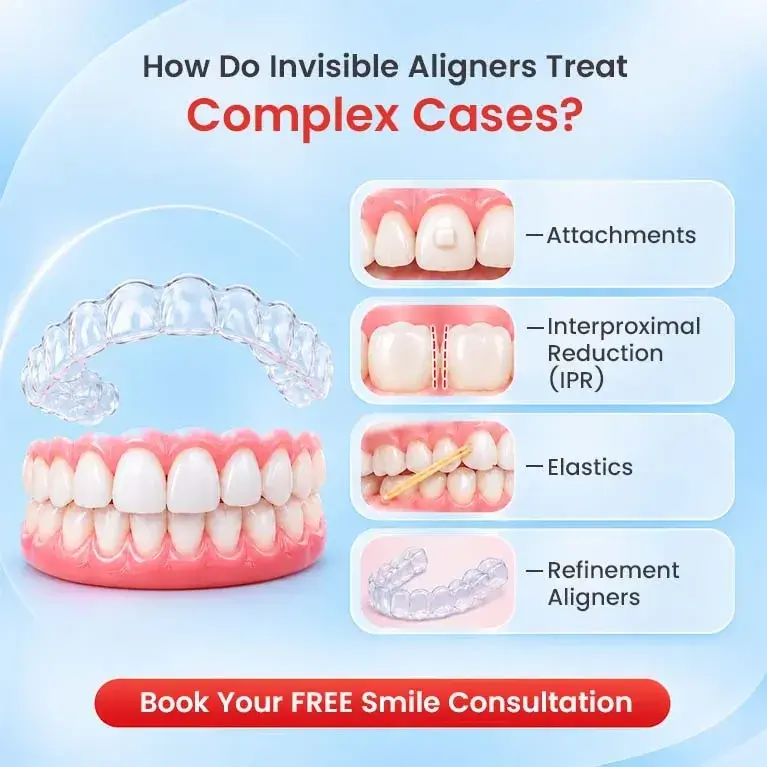
Invisible aligners use a planned sequence of trays, with each tray designed to produce specific tooth movements. Patients progress through the sequence according to their orthodontist's instructions.
Complex treatment may require additional techniques:
- Attachments
Small tooth-coloured composite attachments are bonded to selected teeth. They provide additional contact points that help the aligners control movements such as rotation, root positioning, and vertical movement.
- Interproximal reduction
Interproximal reduction, or IPR, involves carefully removing a small, prescribed amount of enamel between selected teeth. It creates limited space for alignment when clinically indicated. It is not suitable for every patient and must be planned according to tooth anatomy and enamel health.
- Elastics
Orthodontic elastics can connect the upper and lower arches to help correct certain bite relationships. Their effectiveness depends on the diagnosis, the required force system, and patient compliance.
- Refinement aligners
Additional aligners may be needed when teeth do not follow the initial plan completely or when adjustments are required to improve the final alignment and bite
Can Toothsi Aligners Treat Complex Cases?
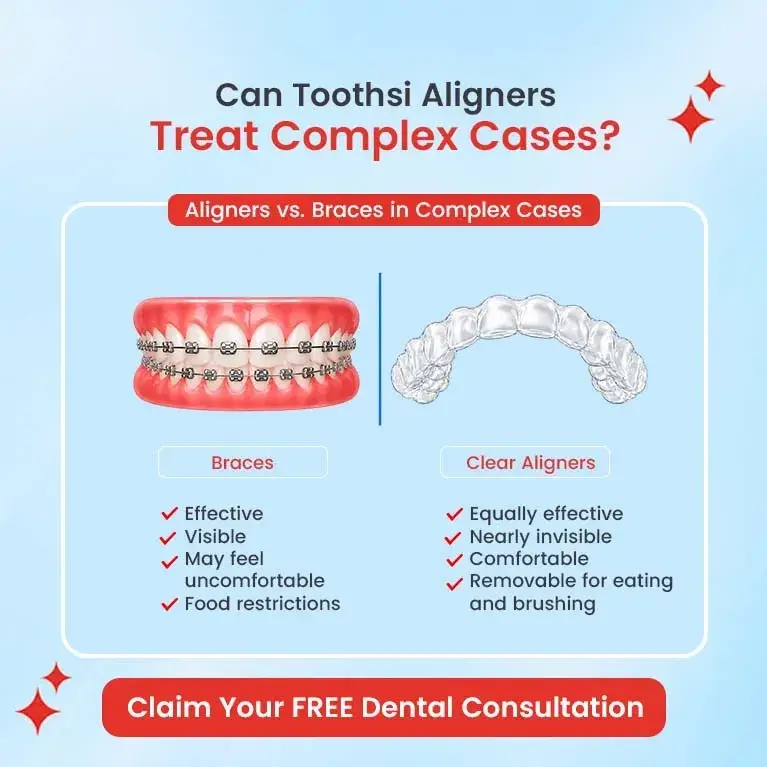
Toothsi aligners are suitable for many patients with complex teeth alignment or bite concerns, subject to an individual orthodontic assessment. The appropriate treatment plan depends on the specific condition, the amount of correction required, and whether aligner mechanics can achieve the intended result safely and predictably.
A responsible treatment recommendation should explain the diagnosis, expected tooth movements, limitations, estimated duration, and alternatives before treatment begins.
Why People Prefer Clear Aligners in India
Nearly invisible appearance
Easy to remove before meals
More comfortable than braces (no wires or brackets)
Fewer clinic visits since treatment is digitally pre-planned
Aligners vs. Braces in Complex Cases
Both aligners and braces can fix complex cases. But here’s the difference:
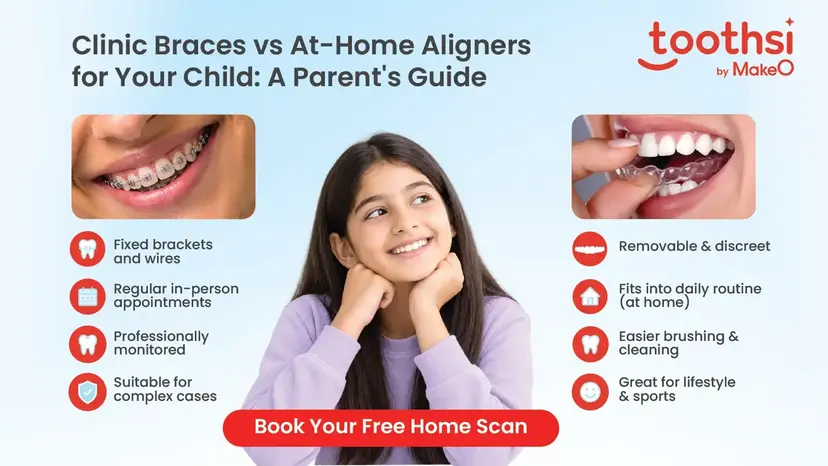
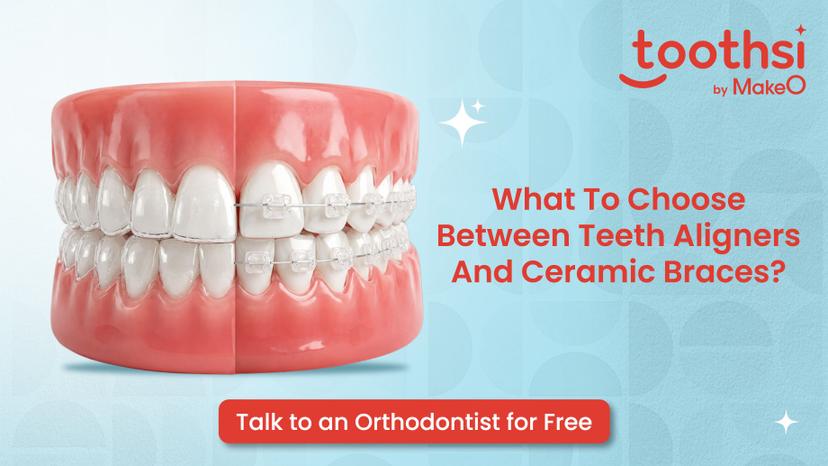
Braces: Effective but visible, can be uncomfortable, and come with food restrictions.
Clear Aligners: Equally effective today, nearly invisible, comfortable, and removable for eating and brushing.
For working professionals and adults, aligners often feel like a better lifestyle choice.