Can Clear Aligners Fix a Severe Overbite?

MDS - Orthodontics, an Orthodontist and Implantologist with 30 years of experience. He practices in Andheri West, Mumbai.
Updated on November 10, 2026
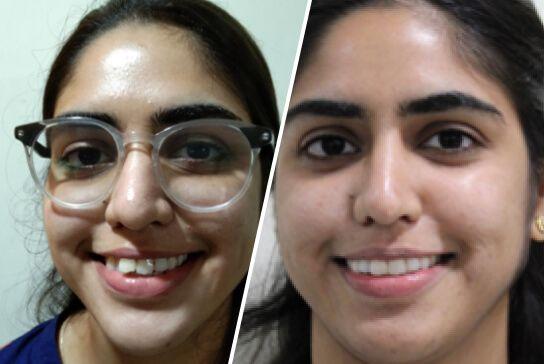
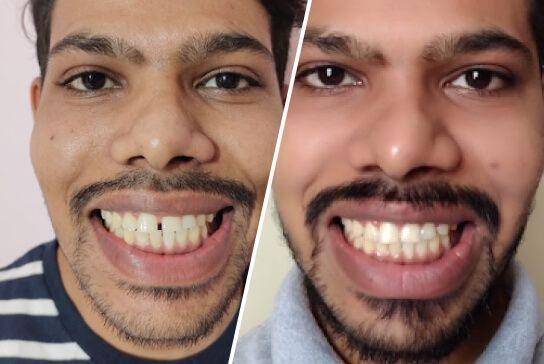
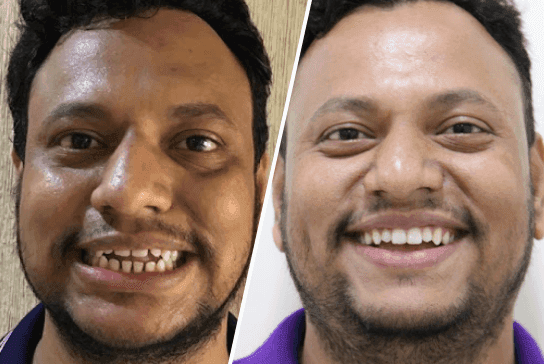
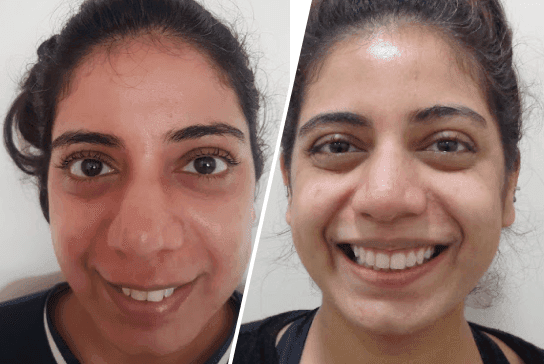
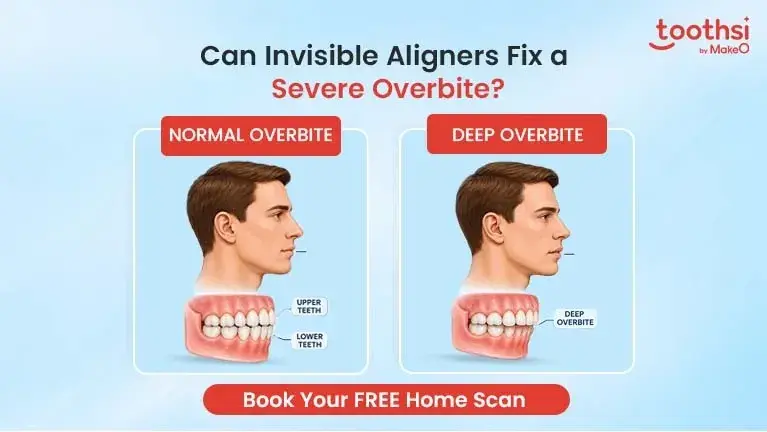
Yes, invisible aligners can correct many overbite problems, including selected severe cases. However, the outcome depends on the cause of the overbite, the amount of vertical overlap, the relationship between the jaws, and the tooth movements required.
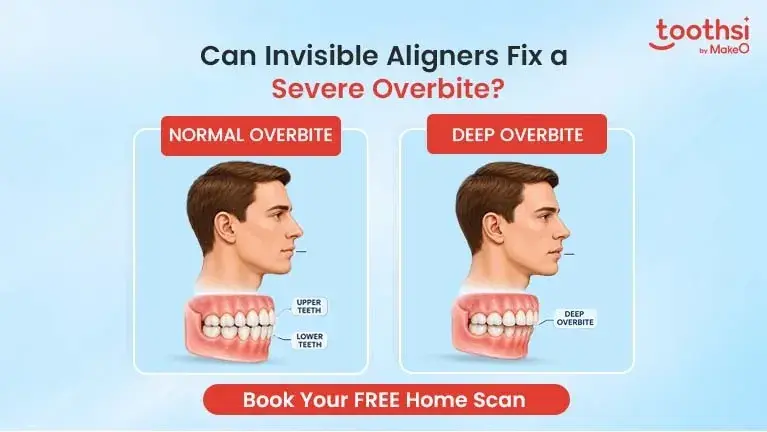
An overbite describes the vertical overlap of the upper front teeth over the lower front teeth. A deep bite is an excessive vertical overlap. In some patients, the lower front teeth may contact or injure the gum tissue behind the upper front teeth.
An overbite is different from an overjet, which describes the horizontal distance between the upper and lower front teeth. The two conditions can occur together, but they require separate assessment.
Clear aligners can correct certain dental causes of excessive overlap. When the problem is primarily skeletal or requires complex vertical tooth movement, treatment may be more challenging and may require additional orthodontic techniques.
What Causes a Severe Overbite?

Several factors can cause an excessive overbite.
Dental causes: The front teeth may have erupted or tilted into positions that create excessive vertical overlap. The arrangement of the back teeth can also influence the way the front teeth meet.
Skeletal causes: The vertical growth pattern or relationship of the upper and lower jaws may contribute to a deep bite. In these cases, tooth movement alone may not fully address the underlying problem.
Combined causes: Some patients have both tooth-position and jaw-related factors. These cases may require a more comprehensive treatment plan.
A severe overbite should not be assessed by appearance alone. The orthodontist must evaluate through an assessment how the teeth contact and whether the bite causes soft-tissue trauma, and whether the supporting gums and bone can accommodate the planned movements.
How Do Invisible Aligners Correct a Deep Bite?
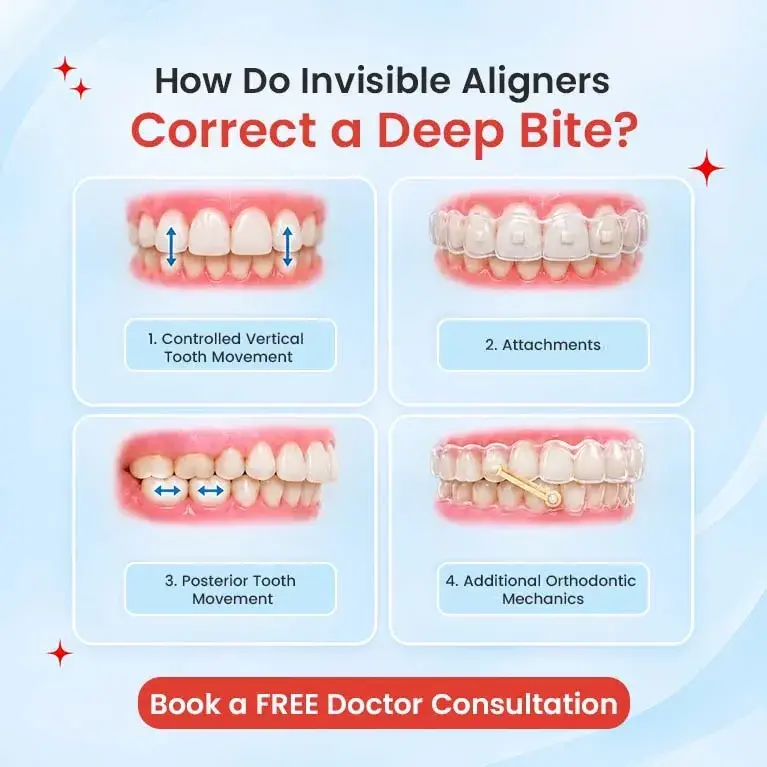
Aligner treatment uses a planned sequence of trays to reposition teeth gradually. The exact mechanics depend on the diagnosis and may include the following approaches.
1. Controlled vertical tooth movement
Selected teeth may need to move vertically to reduce excessive overlap. Intrusion, which moves a tooth into its supporting bone, requires careful force control and may be less predictable than simpler movements.
2. Attachments
Small tooth-coloured attachments can improve the aligner's grip and help control planned tooth movements. Their position and shape depend on the treatment requirements.
3. Posterior tooth movement
In selected cases, changes in the vertical position of the back teeth can help improve the bite. This approach requires careful planning because it can affect the overall bite relationship and facial proportions.
4. Additional orthodontic mechanics
Elastics, fixed appliances, or other orthodontic methods may be recommended when aligners alone cannot provide sufficient control. The choice depends on the severity and the desired correction.
A digital treatment plan should explain how the overbite is expected to improve and how the clinician will monitor the result. It should not be treated as a guarantee of the final outcome.
Can Toothsi Aligners Fix a Severe Overbite?
Toothsi aligners are suitable for patients with excessive overbite, depending on the underlying cause and the movements required.
A clinically appropriate plan must assess the vertical overlap, front-to-back bite relationship, tooth positions, gum health, and supporting bone. It should also consider whether additional orthodontic techniques are needed to achieve a functional and stable bite.
It would not be accurate to promise that Toothsi aligners alone can correct every severe overbite. A substantial skeletal discrepancy or a case requiring complex vertical control may need fixed braces, other orthodontic appliances, or combined treatment.
Why Is Overbite Correction Important?
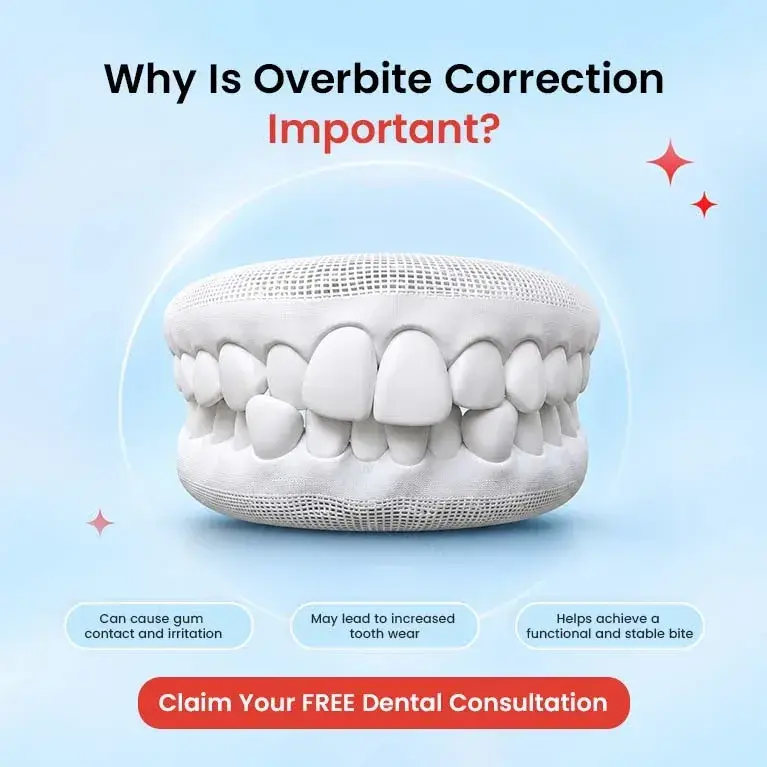
An excessive overbite may cause the lower front teeth to contact the gum tissue behind the upper front teeth, contribute to tooth wear, or interfere with comfortable biting. However, the effects vary between individuals.
Treatment aims to establish a functional bite, reduce traumatic contact when present, and align the teeth within the limits of the supporting structures. The appropriate objective is not simply to reduce the visible overlap but to achieve a stable relationship between the upper and lower teeth.
After active treatment, retainers help maintain the corrected tooth positions. The type and duration of retention should be determined by the treating orthodontist.