Am I Eligible To Get Invisible Aligners with Cavities?

Dr. Sunny Kumar Sinha is a senior consultant orthodontist with over 10 years of experience in Mumbai and Thane. A Manipal alumnus with postgraduate training from Bangalore, he specializes in complex orthodontics, lingual braces, and clear aligners, and ha
Updated on November 2, 2026
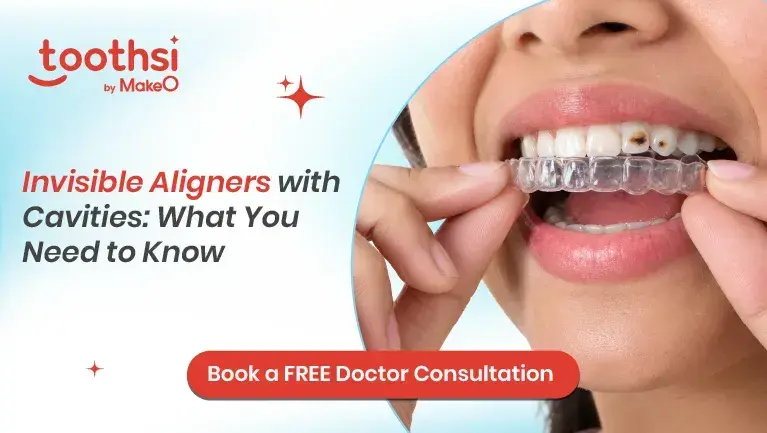
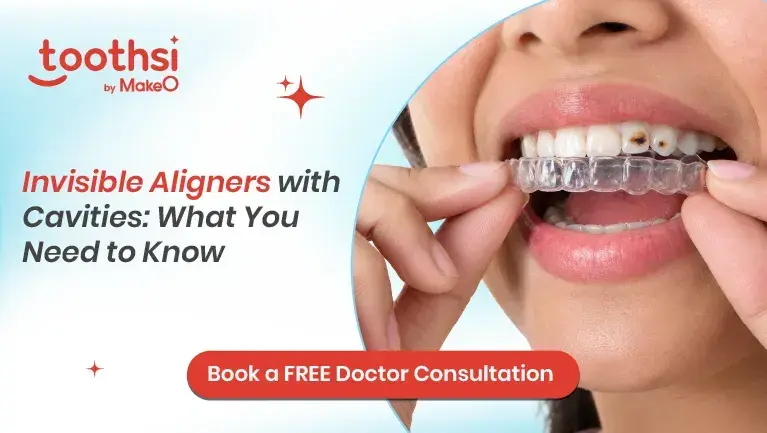
Yes, you can get invisible aligners even if you have cavities. However, your dentist may recommend treating active tooth decay with dental fillings before starting orthodontic treatment.
Invisible aligners are custom-made to fit the shape of your teeth, and patients with existing dental fillings or other dental work can generally undergo treatment with proper planning.
Although invisible aligners don't directly cause cavities, wearing them 20 to 22 hours a day without proper oral hygiene can increase your risk of tooth decay.
Book your FREE consultation to learn about your treatment.
Can You Get Clear Aligners If You Have Cavities?
Yes, you can get clear aligners with cavities, but you usually need to treat untreated tooth decay before starting invisible aligner treatment. Cavities can worsen if left untreated, potentially leading to pain, infection, or more extensive dental procedures.
Healthy teeth and gums are essential for safe orthodontic treatment, as clear aligners gradually move teeth into their planned positions.
Why Should You Treat Cavities Before Getting Invisible Aligners?

Treating cavities before starting clear aligner treatment helps protect your teeth and supports a smoother treatment process.
Prevent Further Tooth Decay: Untreated cavities can worsen over time, potentially requiring more extensive dental treatment.
Maintain Oral Health: Treating tooth decay and addressing gum problems helps create a healthier foundation for clear aligner treatment.
Ensure Proper Aligner Fit: Dental fillings or other restorative procedures can change tooth shape and may affect how invisible aligners fit.
Avoid Treatment Delays: Completing necessary dental treatments before starting aligners can help minimise unexpected interruptions to your orthodontic plan.
Can You Get Invisible Aligners After a Cavity Filling?
Yes, you can get clear aligners after a cavity filling. Having existing dental fillings does not automatically make you ineligible for clear aligner treatment. However, your dentist or orthodontist will assess:
Condition of the Filling: The filling should be intact, and the treated tooth should be healthy enough for orthodontic treatment.
Location of the Filling: The size and location of the filling may affect how well the aligners fit around the tooth.
Need for a New Scan: If the filling changes the shape of your tooth, a new 3D scan or aligner adjustments may be necessary to ensure a proper fit.
What Happens If You Develop Cavities During Clear Aligner Treatment?

Cavities during clear aligner treatment require prompt dental attention to prevent further decay and protect your oral health.
Get a Dental Assessment: Consult your orthodontist if you notice tooth pain, sensitivity, or other signs of cavities. They can assess the decay and recommend appropriate treatment.
Check Aligner Fit After Fillings: Minor fillings may not significantly affect your clear aligners, but extensive restorations may require adjustments or new aligners.
Consult Your Orthodontist: Your orthodontist can determine whether your current invisible aligners remain suitable after dental treatment and whether your treatment plan needs changes.
Avoid Delaying Treatment: Do not ignore tooth pain or postpone cavity treatment to maintain your aligner schedule. Whether you wear clear aligners or traditional braces, addressing tooth decay promptly is essential for maintaining oral health throughout orthodontic treatment.
How Can You Prevent Cavities While Wearing Invisible Aligners?

Maintaining good oral hygiene is essential to prevent cavities while wearing invisible aligners. Follow these practical steps to protect your teeth throughout clear aligner treatment:
Brush and Floss Regularly: Brush your teeth twice daily with fluoride toothpaste and floss at least once a day to remove plaque and food particles from between your teeth.
Remove Aligners Before Eating: Always remove your clear aligners before eating or drinking anything other than plain water. Food particles and sugary or acidic drinks trapped beneath aligners can increase the risk of tooth decay.
Clean Your Teeth After Every Meal: Rinse your mouth with water and brush your teeth before putting your invisible aligners back in. If brushing is not immediately possible, rinse thoroughly and brush as soon as you can.
Clean Your Aligner Trays Properly: Clean your trays daily using a soft toothbrush and the cleaning method recommended by your dental professional. Avoid hot water, as it can warp the aligners.
Limit Sugary Snacks and Drinks: Reduce frequent consumption of sweets, sugary beverages, and sticky foods to minimise plaque buildup and cavity risk.
Schedule Regular Dental Checkups: Visit your dentist regularly to identify cavities early and address any oral health concerns before they affect your aligner treatment.
Book a FREE 3D scan with Toothsi to understand your clear aligner options and take the first step towards a healthier, straighter smile.
How Much Will Invisible Aligners Cost in India?
The cost of clear aligners in India ranges from ₹35,000 to ₹4,00,000, depending on the complexity of your case, treatment duration, and the type of aligners recommended.
With Toothsi, clear aligner treatment starts at ₹42,999 for students and ₹52,999 for adults, with flexible EMI options starting at ₹1,499 per month. The final cost depends on your individual orthodontic needs and personalised treatment plan.
Choose your aligner treatment with Toothsi. Check out now!