

How Long Do Invisible Aligners Take to Close Gaps?

MDS - Orthodontics, an Orthodontist and Implantologist with 30 years of experience. He practices in Andheri West, Mumbai.
Updated on November 17, 2026
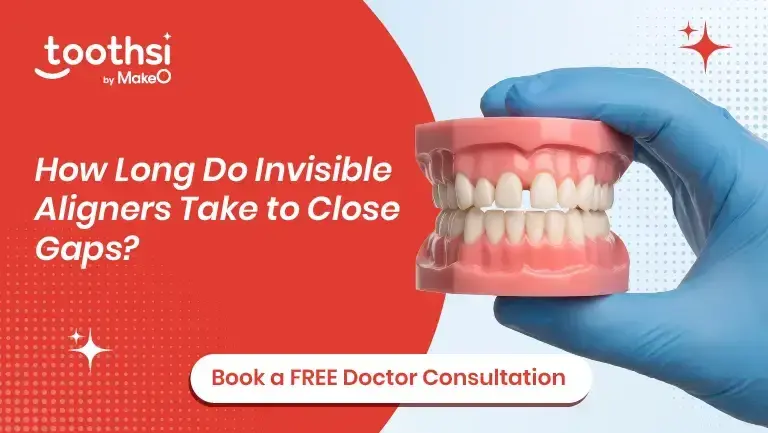
Gaps between teeth, medically known as diastema when referring to a space between two teeth, are a common dental concern. Some people have a small gap between their front teeth, while others have multiple spaces across the upper or lower dental arch.
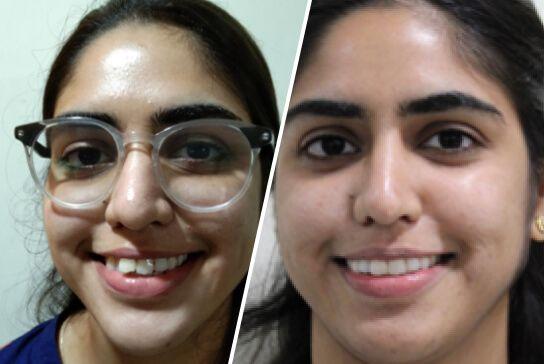
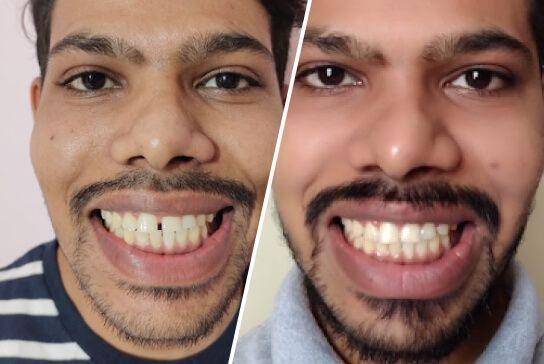
Invisible aligners can close many types of gaps by gradually moving teeth towards their planned positions. Each set of custom-made trays applies controlled pressure to specific teeth, helping reduce the spaces over successive stages. As per our experts at Toothsi, teeth gap correction generally takes around 4–9 months. Smaller gaps may close sooner, while larger spaces or cases involving additional alignment concerns may need more time. The orthodontist must assess the size and cause of the gap, the surrounding teeth and the patient's bite before determining an appropriate treatment timeline.
How Long Do Aligners Take to Close Small, Moderate and Large Gaps?
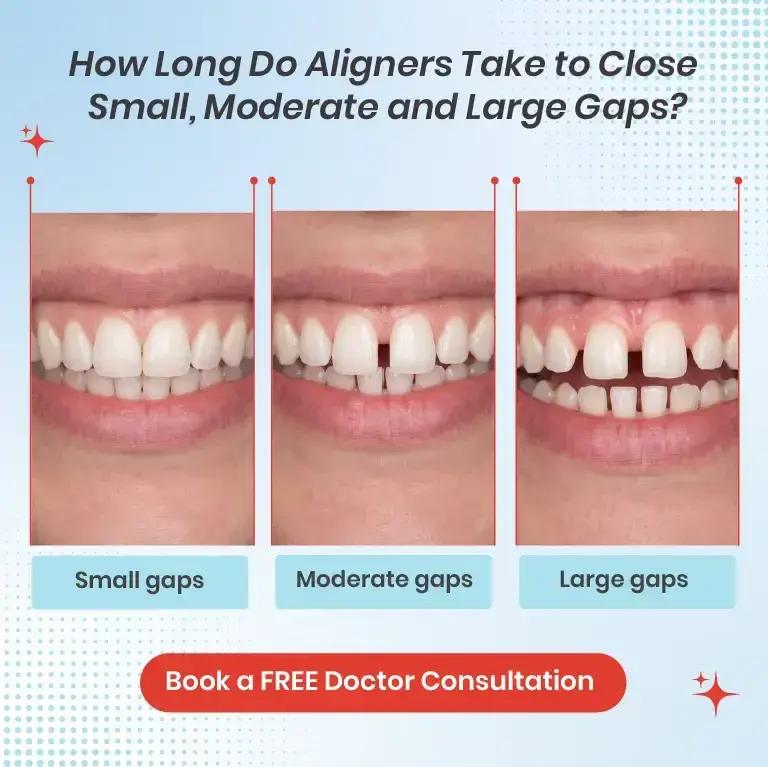
The treatment duration depends on the amount of tooth movement required, not just the visible width of the gap.
Type of spacing | Common characteristics | Treatment considerations |
|---|---|---|
Small gaps | A minor space between two teeth, often the front teeth | May require relatively limited tooth movement and a shorter treatment plan. |
Moderate gaps | More noticeable spaces or gaps between several teeth | May require coordinated movement across multiple teeth and additional treatment stages. |
Large gaps | Wider spaces, multiple gaps or spacing associated with bite concerns | May require coordinated movement across multiple teeth and additional treatment stages. |
These categories are descriptive rather than fixed clinical classifications. A small-looking gap can require complex treatment if it is associated with an underlying bite problem or unusual tooth positioning.
What Factors Affect the Time Needed to Close Teeth Gaps?
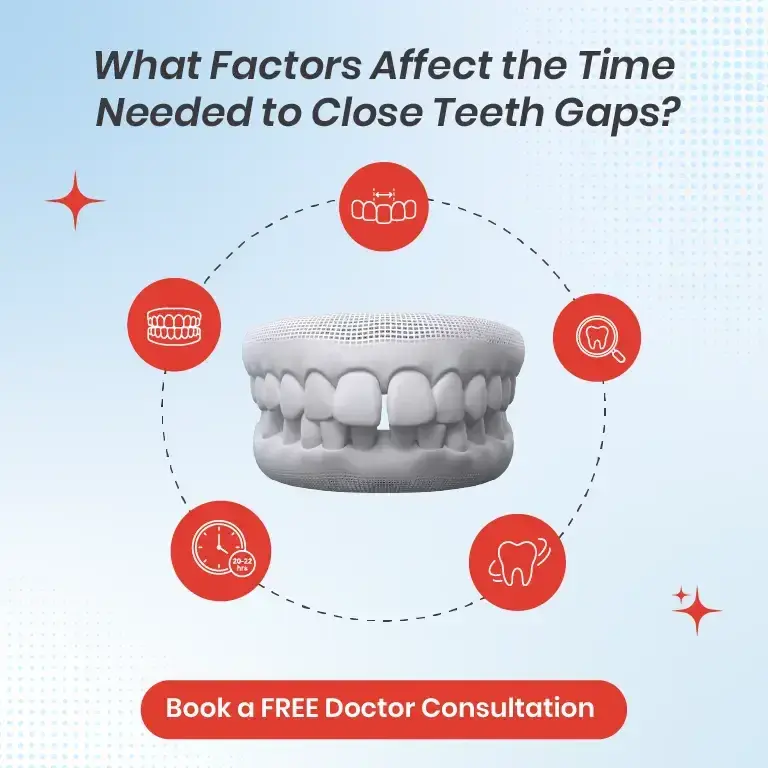
Two patients with visibly similar gaps may require different treatment durations. An orthodontist considers several factors before preparing a treatment plan.
- Size and Number of Gaps
A single small gap between the front teeth may require less movement than multiple spaces distributed across both dental arches. When several teeth need to be repositioned, the orthodontist must plan how each tooth will move while maintaining appropriate alignment and bite relationships.
- Cause of the Gap
Identifying the reason for the spacing is important before starting treatment. Common causes include:
- Differences in tooth and jaw size: Smaller teeth in relation to the jaw may leave extra space between teeth.
- Missing teeth: When a tooth is absent, neighbouring teeth may shift and create or increase spaces.
- Oral habits: Persistent tongue thrusting or certain sucking habits can contribute to spacing.
- Frenum-related spacing: A prominent band of tissue connecting the upper lip to the gums may contribute to a gap between the upper front teeth.
- Gum disease: Periodontal disease can damage the supporting tissues and bone around teeth, potentially causing them to loosen or move apart.
If a gap has recently appeared or is becoming wider, it should not automatically be treated as a cosmetic concern. Gum health and other underlying causes need to be assessed before orthodontic treatment begins.
- Overall Dental Alignment
A patient may seek treatment for one visible gap but also have rotated teeth, crowding or bite-related concerns. In such cases, the orthodontist may need to correct the overall alignment rather than simply move the two teeth bordering the gap toward each other. This can increase the number of movements and the time required.
- Daily Aligner Wear
Clear aligners are removable, so treatment depends partly on patient compliance. Experts recommend wearing aligners for approximately 20–22 hours daily. Leaving them out for extended periods or frequently missing prescribed wear time can interfere with planned tooth movement and increase treatment time.
- Individual Response to Orthodontic Treatment
Tooth movement is a biological process involving the periodontal ligament and surrounding bone. The rate and predictability of movement vary between individuals. For this reason, orthodontic treatment cannot be accelerated simply by changing aligners more frequently. Each stage should be completed according to the prescribed plan.
Can Invisible Aligners Close Large Gaps Between Teeth?
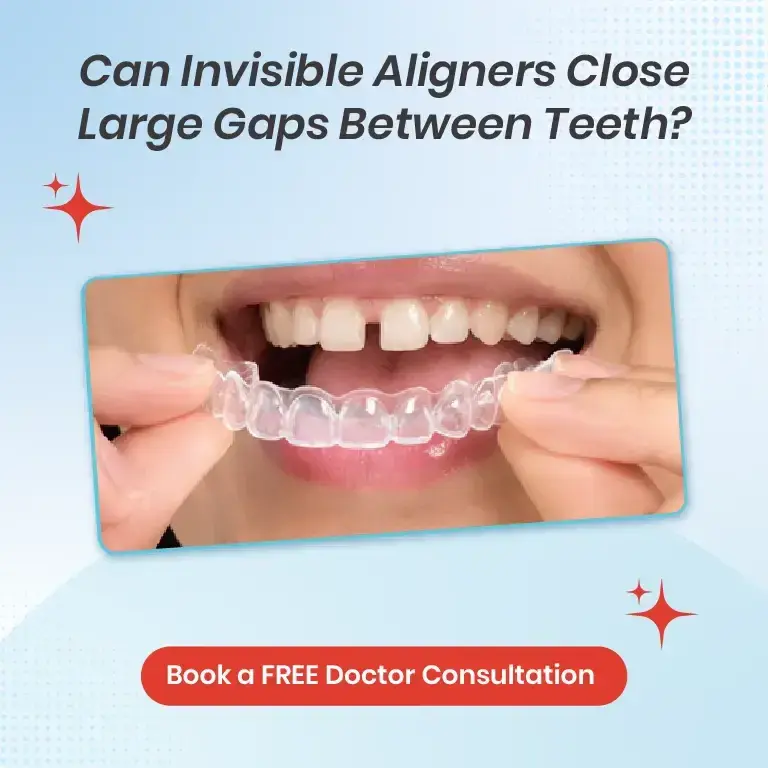
Yes, clear aligners can treat many cases involving larger spaces, but suitability depends on the underlying dental condition and the movements required.
An orthodontist may consider:
The width and location of the gaps.
Whether multiple teeth need to move.
The position and angulation of the teeth.
The relationship between the upper and lower jaws.
Whether there are missing teeth or gum-related concerns.
Some cases can be treated with aligners alone. Others may require additional procedures or a combination of orthodontic and restorative treatment. For example, if a gap exists because a tooth is missing, moving the neighbouring teeth together may not be the most appropriate solution. The treatment plan may need to account for tooth replacement.
Similarly, if the spacing is caused by active gum disease, periodontal treatment must take priority. Moving teeth without addressing compromised gum support can create further problems. Read more about the causes and treatment options for gaps between teeth before deciding which treatment may be appropriate.
Can Gaps Reopen After Invisible Aligner Treatment?
Yes. Teeth can gradually move after orthodontic treatment, and gaps may reopen if the teeth are not adequately retained. This is why retainers are an important part of treatment rather than an optional final step.
After closing the gaps, your orthodontist will prescribe a retainer to help maintain the new tooth positions. Depending on your case, this may be a removable retainer, a fixed retainer bonded behind the teeth or a combination.
How Does Toothsi Approach Teeth-Gap Treatment?
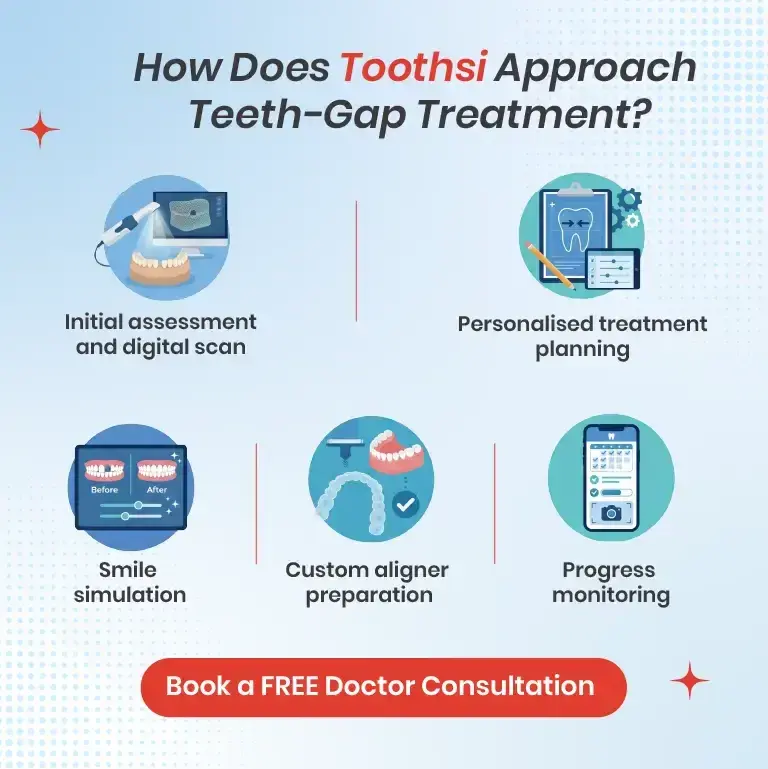
Toothsi offers customized clear aligner treatment for patients seeking to correct gaps between their teeth. The treatment process involves several stages:
1. Initial assessment and digital scan: A 3D scan helps capture the position of the teeth and identify the spacing that needs correction.
2. Personalised treatment planning: The orthodontic team evaluates the gap size, overall alignment and required tooth movements.
3. Smile simulation: A digital preview helps patients understand the planned alignment changes.
4. Custom aligner preparation: A series of trays is designed around the prescribed treatment plan.
5. Progress monitoring: Treatment progress is monitored, and the orthodontic team can review the plan if the teeth are not moving as expected.
Toothsi's approach to clear aligner treatment includes digital scanning, customised aligners and orthodontist-supervised planning.
How Can You Maintain Your Results After Closing Teeth Gaps?
Closing a gap is only one part of the process. Maintaining the corrected alignment requires consistent care.
Wear your retainers according to your orthodontist's instructions.
Attend follow-up appointments to monitor tooth positions.
Maintain regular brushing and interdental cleaning.
Address habits such as tongue thrusting if they contributed to the spacing.
Seek dental advice if you notice new or widening gaps.
Report any changes in your bite or tooth mobility.
Following these steps helps protect the results achieved through orthodontic treatment.