Alopecia Hair Treatment: Causes, Types & Treatment Options

MD Dermatologist with 10+ years of experience
Updated on October 21, 2026
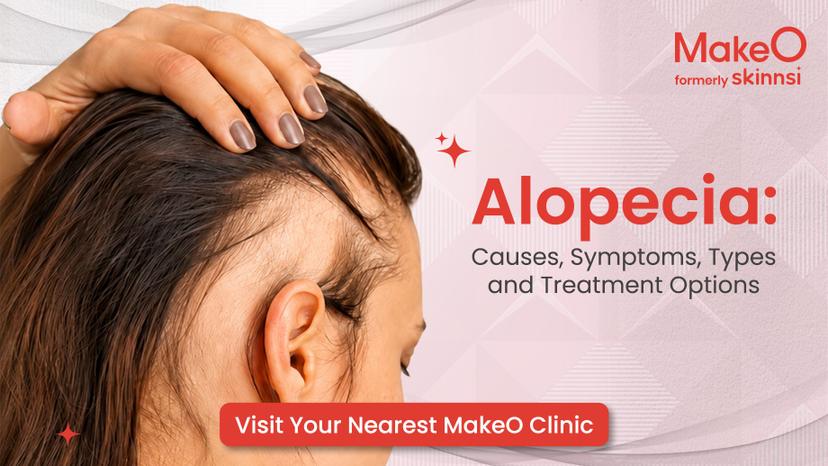
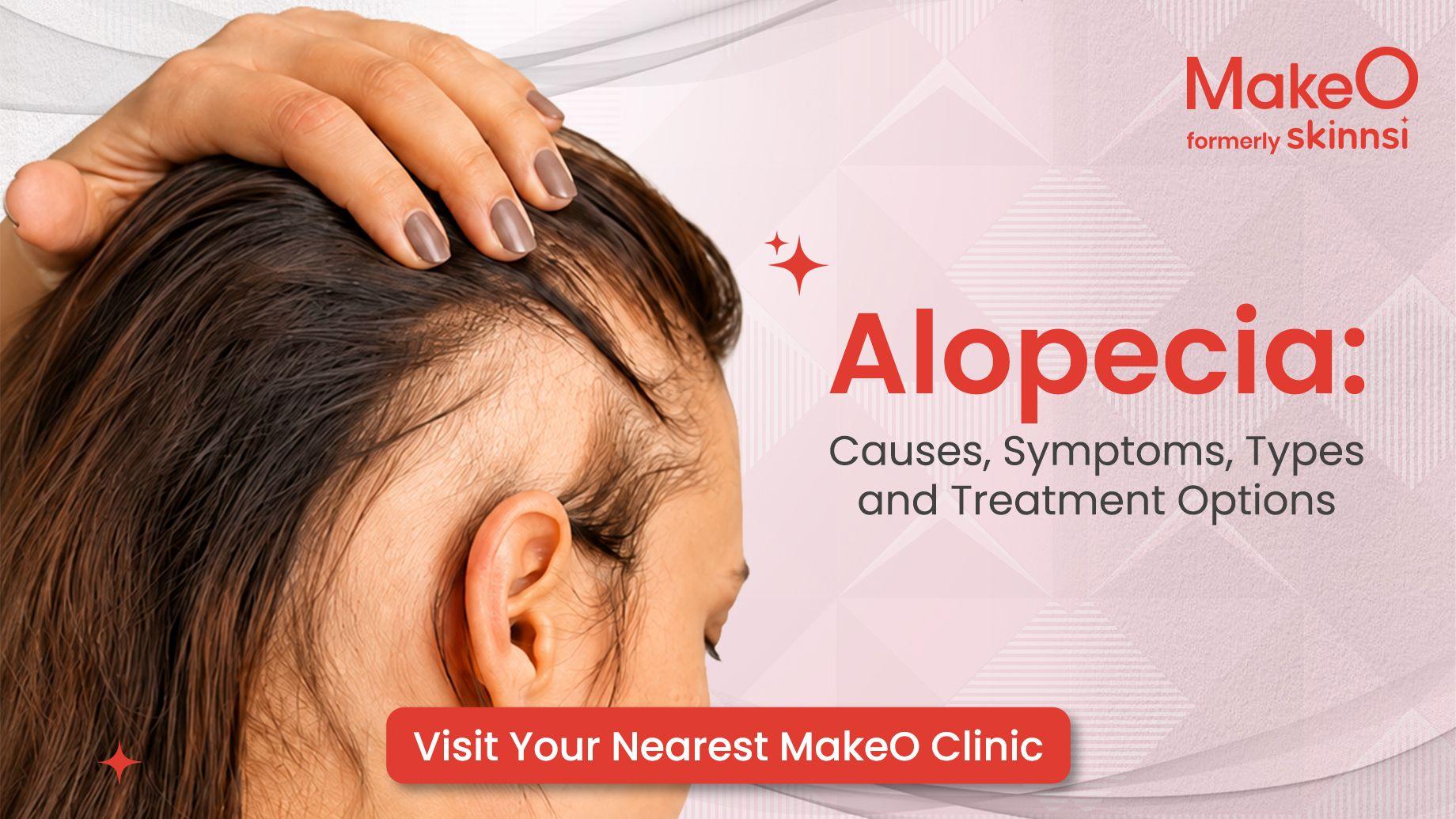
Alopecia is a medical condition that causes hair loss or noticeable hair thinning on the scalp and other parts of the body. Alopecia areata is one of the most common forms and can cause sudden, patchy hair loss when the immune system affects hair follicles. Other types, such as androgenetic alopecia, telogen effluvium, and traction alopecia, have different causes and require different approaches.
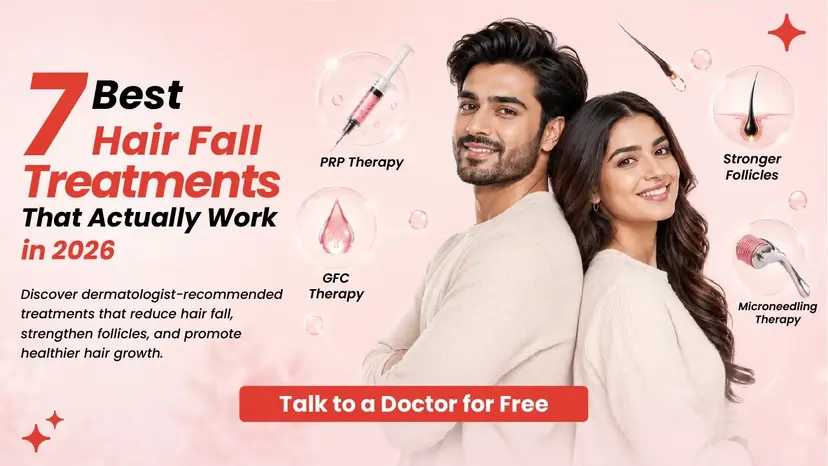
The right Hair fall treatment depends on the type, severity, and underlying cause of hair loss. Treatment options may include corticosteroids, minoxidil, JAK inhibitors, PRP, microneedling, or addressing an underlying trigger.
At MakeO Skin & Hair Clinic, dermatologists assess your hair and scalp to identify the cause of hair loss and recommend a personalized treatment plan based on your condition and hair goals.
Explore the right alopecia treatment for your hair. Book your FREE consultation today.
What Is Alopecia Areata?
Alopecia Areata is the medical term for hair loss that affects the scalp or other areas of the body. Unlike temporary hair fall, alopecia can cause noticeable thinning, bald patches, or progressive hair loss. Since different types of alopecia have different causes and patterns, identifying the underlying condition is essential for choosing the right alopecia hair treatment.
What Causes Alopecia?
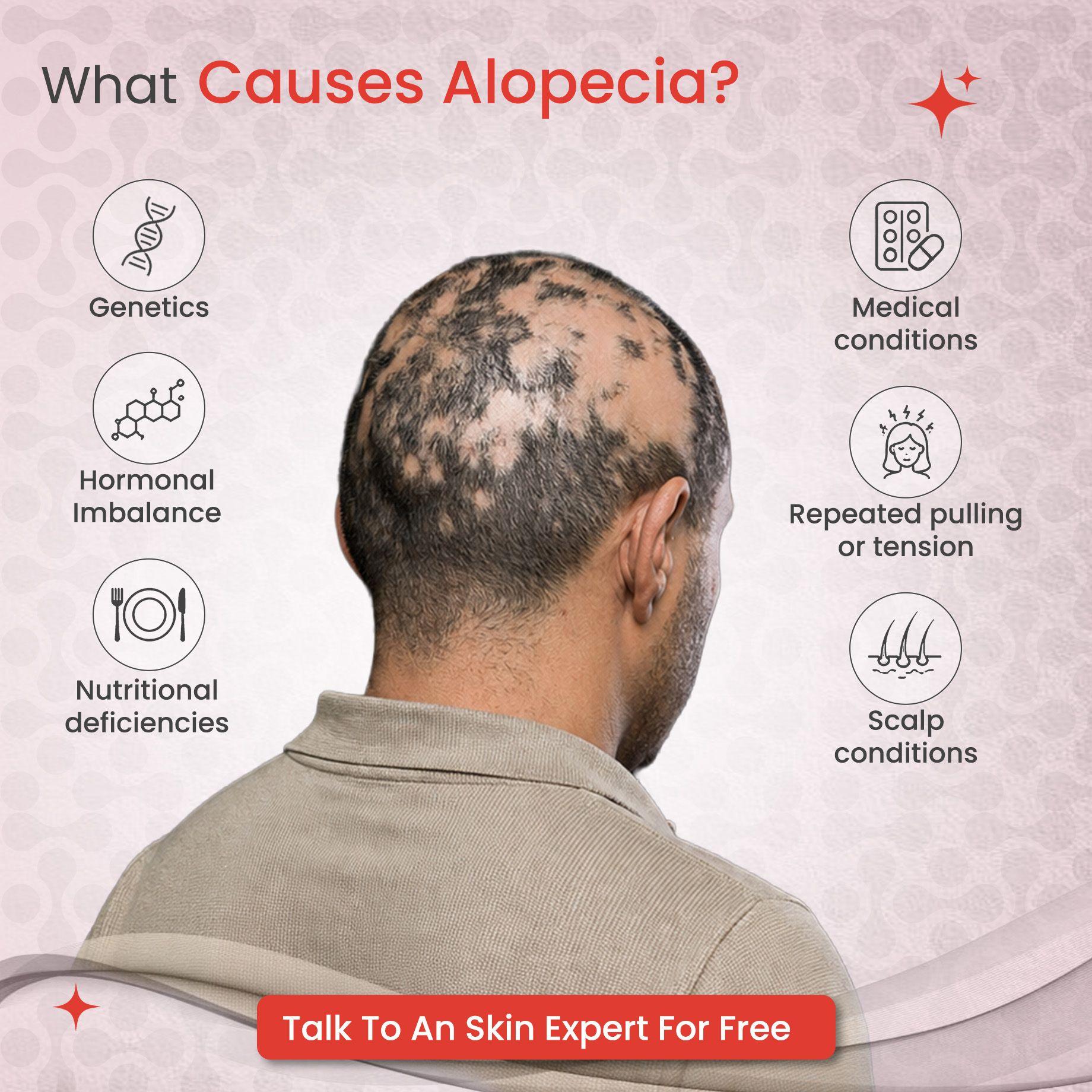
Alopecia can result from genetics, autoimmune conditions, hormonal changes, nutritional deficiencies, stress, medications, or repeated damage to the hair follicles. Identifying the underlying cause early can help prevent further hair loss and improve the chances of effective treatment.
Genetics and Heredity
Genetics is a common cause of alopecia, particularly male-pattern and female-pattern hair loss, also known as androgenetic alopecia. If hair thinning or baldness runs in your family, you may gradually experience reduced hair density over time.
Autoimmune Conditions
Another cause of alopecia hair loss is an abnormal immune response. In this case, the body's immune system mistakenly targets healthy hair follicles. This can lead to sudden, patchy hair loss and, in some cases, more extensive hair loss. Early diagnosis and personalized alopecia areata hair treatment can help manage the condition and support hair regrowth.
Hormonal Changes
Hormonal fluctuations associated with pregnancy, childbirth, menopause, thyroid disorders, and other hormonal imbalances can affect the hair growth cycle. If you experience sudden or persistent hair fall along with other hormonal changes, a professional evaluation can help identify the underlying trigger and determine the right hair fall treatment for your condition
Severe Physical or Emotional Stress
Significant physical or emotional stress can disrupt the normal hair growth cycle. High fever, major surgery, sudden weight loss, emotional trauma, or other intense stressors may push more hair follicles into the resting phase, causing excessive shedding known as telogen effluvium.
Medications and Medical Treatments
Certain medications, including some used for cancer, high blood pressure, arthritis, and depression, may cause hair loss as a side effect.
Tight Hairstyles and Traction
Repeatedly wearing tight hairstyles can place continuous tension on the hair follicles. Over time, this may cause traction alopecia and, if left untreated, can result in permanent follicle damage.
Nutritional Deficiencies
Insufficient levels of nutrients such as iron, zinc, protein, and other essential nutrients can affect healthy hair growth. If your hair has become noticeably thinner or you are experiencing excessive shedding, identifying and addressing nutritional deficiencies may be an important part of your personalized alopecia treatment plan.
Types of Alopecia
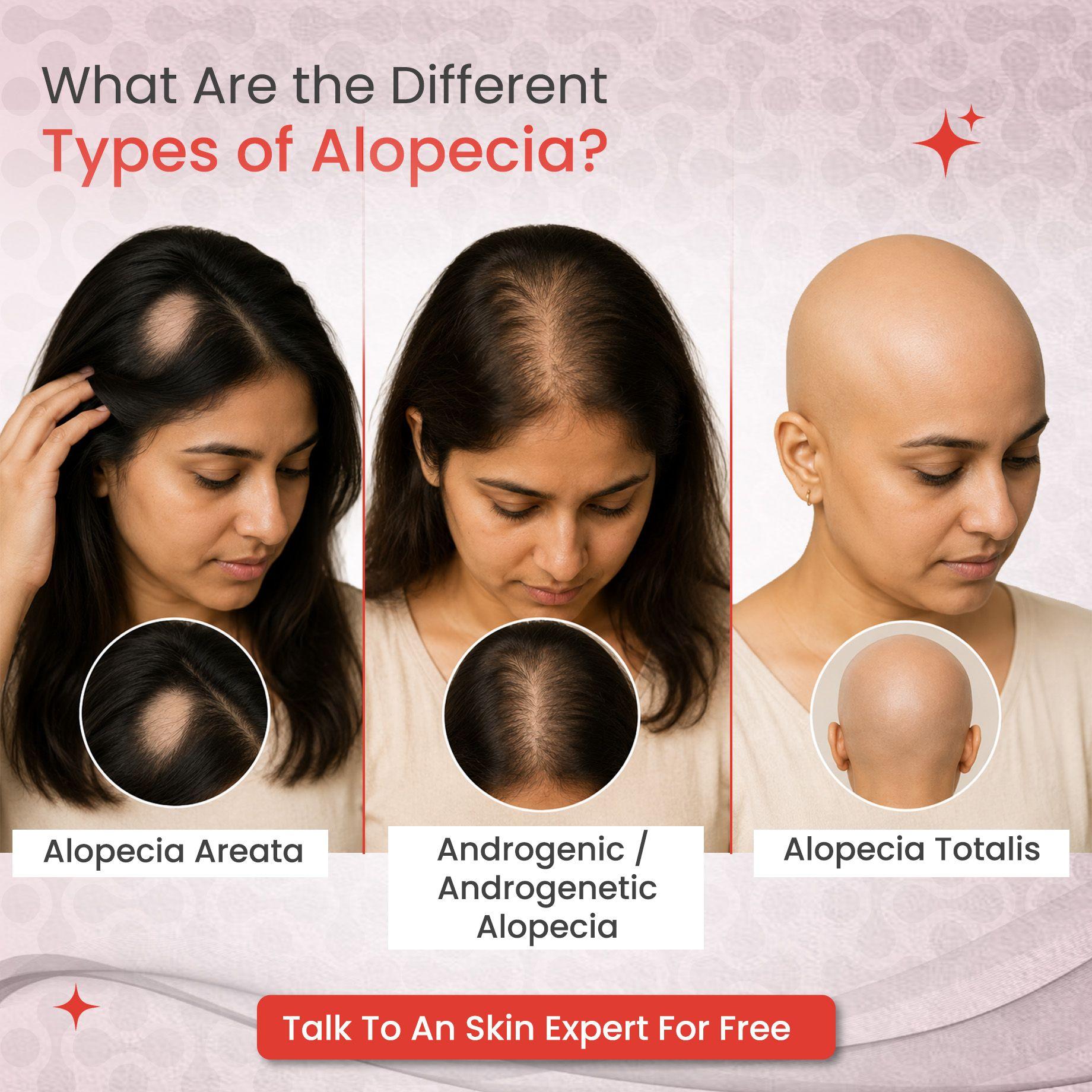
Alopecia has several types, each with different causes, patterns, and treatment considerations. This is why there is no single best hair treatment for everyone. Common types include:
Alopecia Areata: Alopecia areata is an autoimmune form of hair loss that causes smooth, round, or patchy areas of hair loss. It can affect the scalp, eyebrows, beard, or other body hair.
Androgenetic Alopecia: Androgenetic alopecia is a genetically influenced pattern of hair loss that develops gradually. It affects both men and women, although the pattern of hair thinning may differ.
Telogen Effluvium: Telogen effluvium causes increased hair shedding rather than clearly defined bald patches. It may occur after illness, significant physiological stress, or other changes affecting the hair growth cycle.
Traction Alopecia: Traction alopecia happens from repeated pulling or tension on the hair, often from tight hairstyles. Reducing ongoing traction helps prevent further hair loss.
Scarring Alopecia: Scarring alopecia includes conditions that can damage or destroy hair follicles, potentially causing permanent hair loss. Timely professional assessment helps identify the condition and start appropriate alopecia treatment.
What Are the Treatment Options for Alopecia?
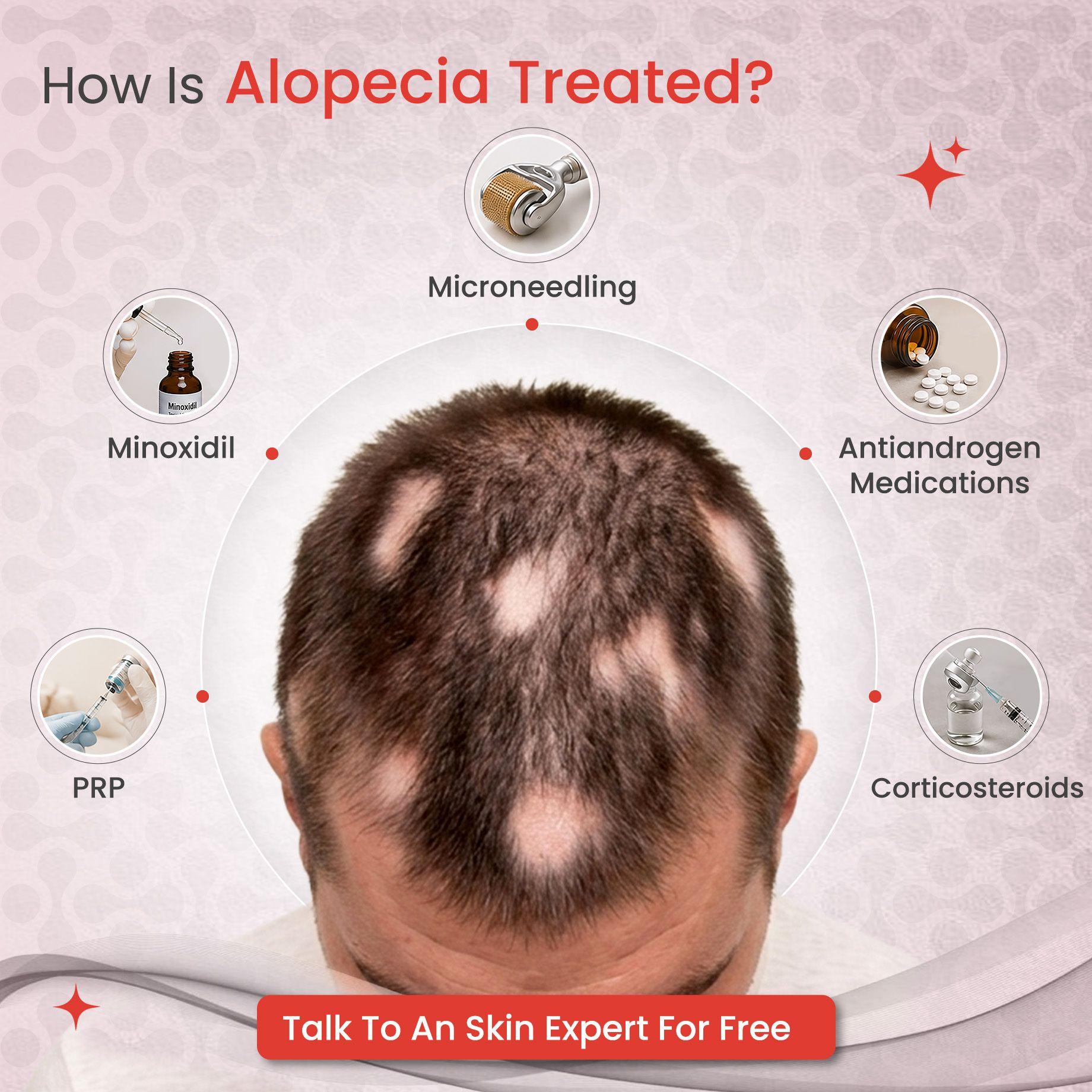
The right alopecia treatment depends upon the severity, duration, and the root cause of hair loss. Depending on the diagnosis, treatment may include prescription medicines, topical therapies, or selected procedures.
Corticosteroids for Alopecia Areata
Corticosteroids are anti-inflammatory medicines used to treat alopecia areata. They can be used topically or injected directly into areas of patchy hair loss.
Types of Corticosteroid Treatments
Intralesional corticosteroid injections: A dermatologist injects a corticosteroid, commonly triamcinolone acetonide, directly into bald patches on the scalp or skin.
Topical corticosteroids: Prescription corticosteroid creams, lotions, or ointments can be applied directly to areas affected by hair loss. They may be considered for mild or localized alopecia areata and are particularly useful when injections are not preferred or suitable.
Systemic corticosteroids: Oral or intravenous corticosteroids may sometimes be considered when hair loss is extensive or rapidly progressing.
A 2025 systematic review and network meta-analysis evaluated treatments for alopecia areata and compared their effectiveness and safety across different treatment approaches. The findings reinforce that treatment response varies according to disease severity and treatment type, highlighting the importance of selecting therapy based on the individual's clinical presentation rather than assuming one hair fall treatment works for everyone.
Hair PRP Treatment For Alopecia Treatment
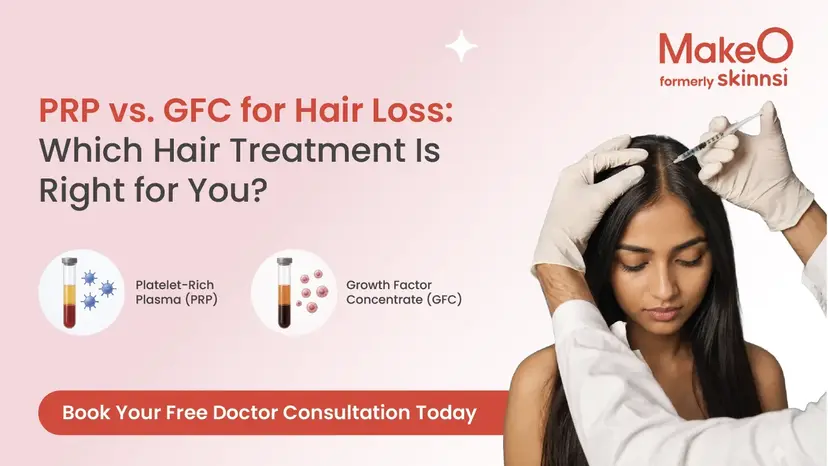
PRP for hair, or PRP for alopecia areata, is a minimally invasive hair treatment that uses concentrated components of the patient's own blood and injects them into the scalp. PRP hair treatment contains growth factors that may support the hair growth cycle and improve hair density in selected hair-loss conditions.
JAK Inhibitors for Severe Alopecia Areata
JAK inhibitors are prescription medicines that target specific immune signaling pathways involved in alopecia areata. They can be considered as an alopecia areata hair treatment for eligible patients with extensive or severe hair loss.
Microneedling for Alopecia
Microneedling for alopecia areata creates controlled micro-injuries in the scalp using fine needles. This triggers the skin’s natural healing response and may support local blood flow and growth-factor activity around hair follicles. Microneedling is an effective hair treatment for alopecia, as it creates temporary micro-channels that may improve the delivery of topical medicines such as corticosteroids or minoxidil.
Minoxidil for Hair Loss
Minoxidil for hair loss or alopecia is a topical or oral medicine that can support hair growth by extending the active growth phase of the hair cycle. It is commonly used for certain types of hair loss.
How Does Minoxidil Work and How Effective Is It?
- For selected cases: Minoxidil may be considered to support regrowth in people with mild or localized alopecia areata, particularly alongside treatments that address the underlying immune response.
- Extensive hair loss: Minoxidil alone is generally less effective for extensive forms of alopecia, such as alopecia totalis or alopecia universalis. Treatment should therefore be based on the extent and type of hair loss.
- Time to see results: Minoxidil does not produce immediate results. When effective, visible improvement generally requires several months of consistent use.
- Topical concentration: Topical minoxidil is available in different strengths, including 2% and 5%. The appropriate formulation and frequency depend on the individual's condition and should be determined with professional guidance.
Can Alopecia Hair Grow Back?
Yes, hair can grow back after alopecia. However, hair regrowth varies by alopecia type, the extent of hair loss, the duration of the condition, and individual response to treatment. While some people experience spontaneous regrowth, others may benefit from appropriate alopecia hair treatment to encourage regrowth and manage recurring hair loss.
When Should You See a Dermatologist for Alopecia Hair Treatment?
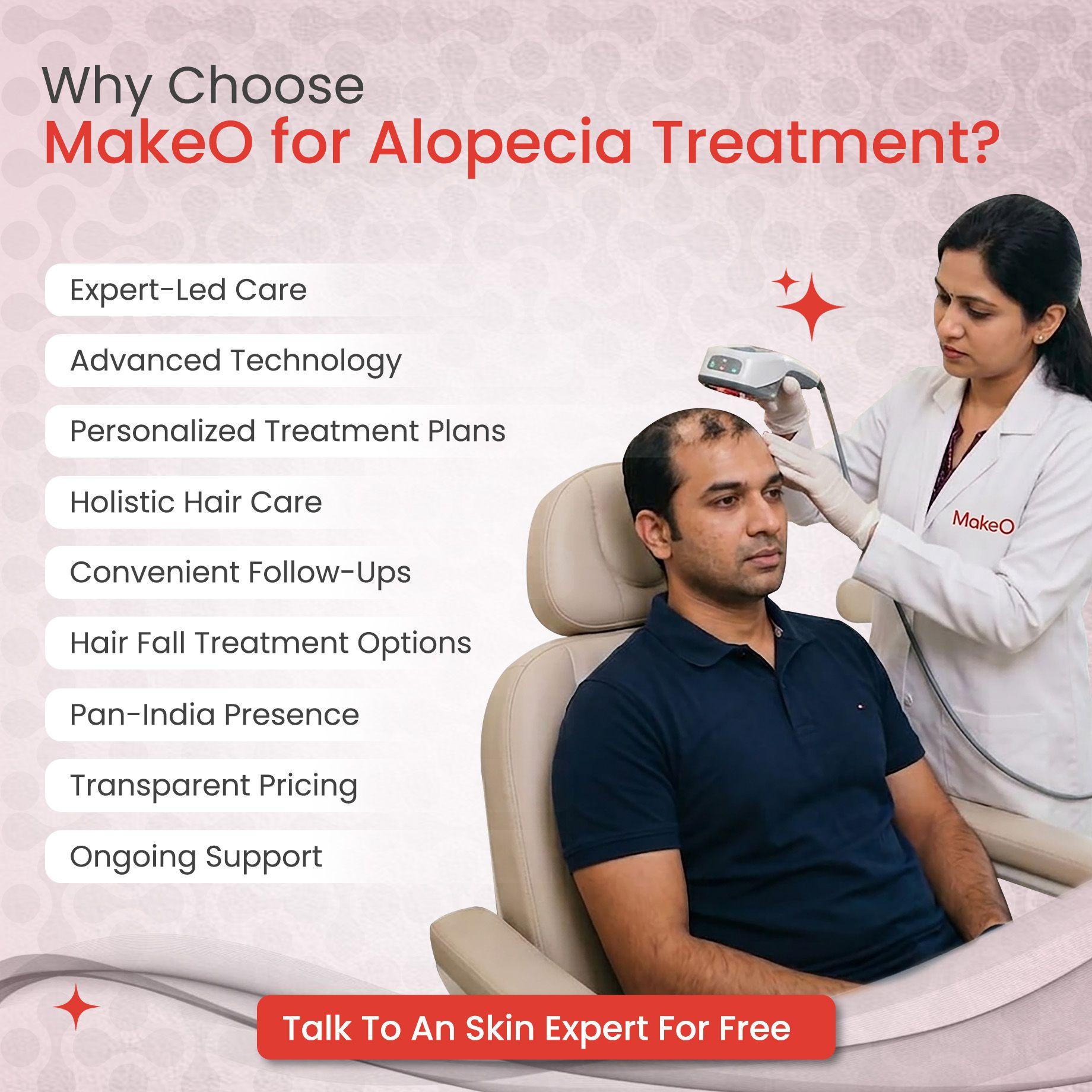
See a dermatologist if you notice these signs, as early evaluation can help identify the cause of alopecia hair loss and determine the most appropriate treatment for your condition.
Signs You May Consider
- Smooth, round or oval patches of hair loss on the scalp.
- If existing bald patches become larger, new patches appear, or separate areas of hair loss begin to merge, seeking professional assessment can help determine suitable alopecia hair treatment options.
- Alopecia is not limited to the scalp. Alopecia areata can also cause sudden hair loss in the beard, eyebrows, or eyelashes.
Where Can I Get Alopecia Hair Treatment?
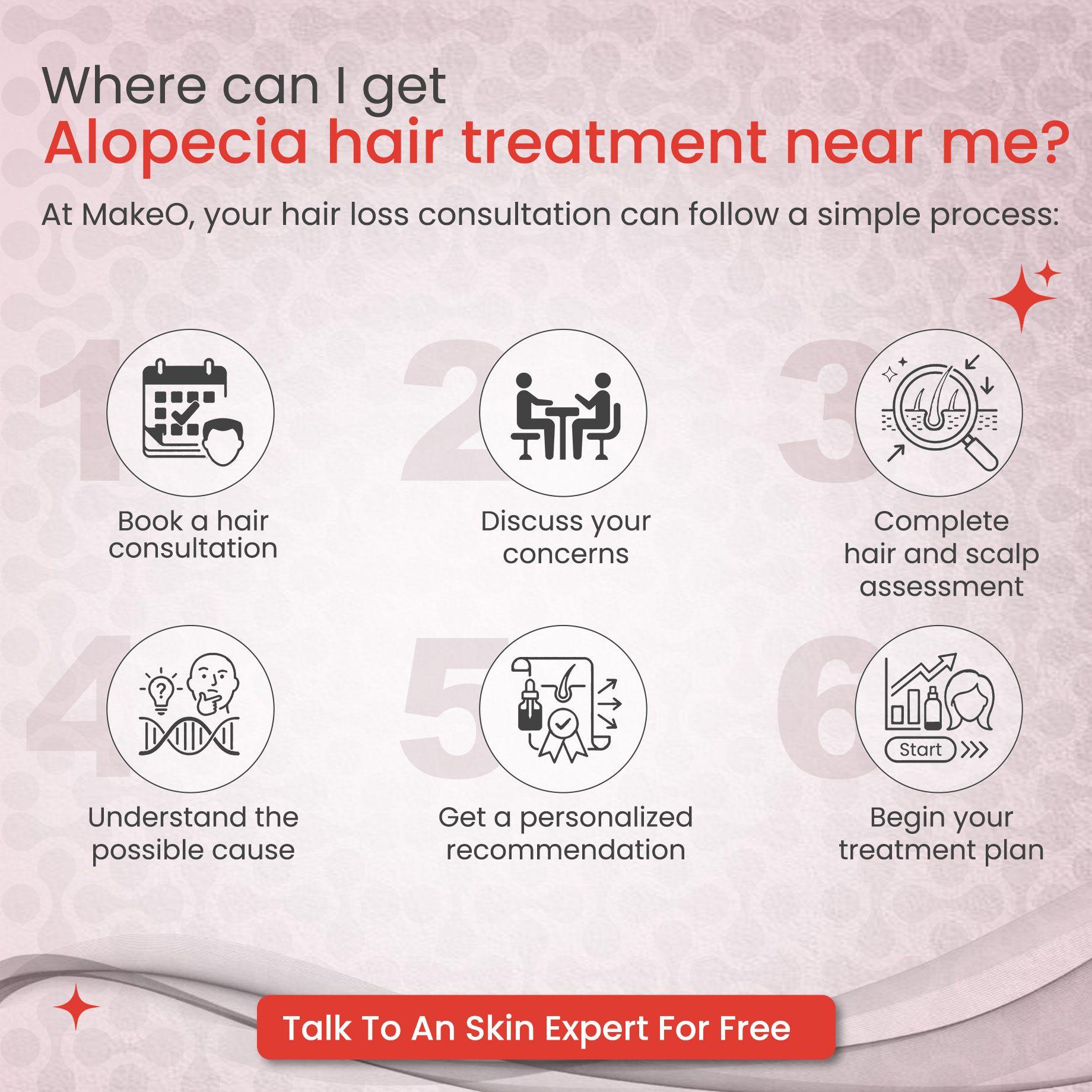
At MakeO Skin & Hair Clinic, dermatologists and trichologists assess your alopecia hair loss and hair fall concerns to identify the underlying cause and recommend a personalized treatment plan. With advanced hair treatments and clinically approved technology, MakeO offers targeted solutions for alopecia treatment and hair fall treatment based on your individual needs.
Why Choose MakeO For Hair Loss Due to Alopecia?
- Expert dermatologists & trichologists
- Personalized alopecia treatment plans
- Advanced hair and scalp treatments
- Convenient consultations and flexible payment options
Concerned about alopecia or persistent hair fall? Book your FREE consultation with MakeO today and find the right treatment for your hair loss.