
- ToothsiSmile CorrectionBrighter smilenewToothsi Productsnew
- Skin & HairLaser hair removalnewestAdvance skin treatmentfacials


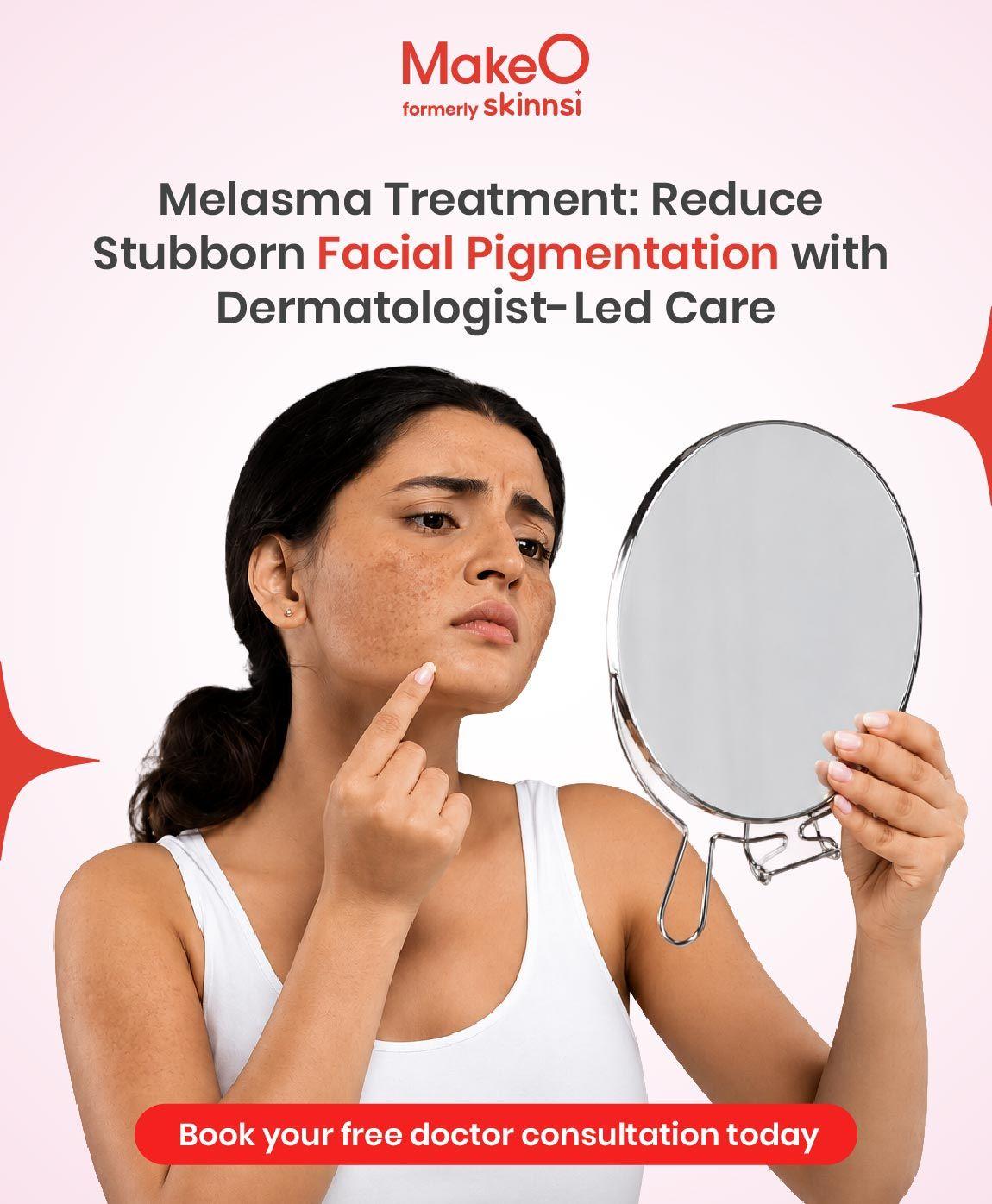
Melasma Treatment: Reduce Stubborn Facial Pigmentation with Dermatologist-Led Care
Melasma is a common skin pigmentation condition that causes brown, grey-brown, or bluish patches on the face, resulting from excess melanin production. It most commonly affects the cheeks, forehead, nose, upper lip, and chin and is often triggered by sun exposure, hormonal changes, pregnancy, genetics, or certain medical conditions.
Although melasma is harmless, it rarely fades completely on its own and may become more noticeable over time without the right melasma treatment.
At MakeO Skin & Hair Clinic, our experienced dermatologists provide melasma treatment plans customized to your skin type, the depth of pigmentation, and its underlying cause.
Depending on your condition, the treatment may include prescription medications, medical-grade chemical peels, laser treatment, or a combination of therapies designed to reduce pigmentation and minimize recurrence safely.
Book your free consultation today and let our dermatologists create a personalized treatment plan that's right for your skin.
What is Melasma?
Melasma is a common skin pigmentation condition that causes dark brown, grey-brown, or bluish patches that develop on the skin due to excess melanin production. Melanin is a natural pigment responsible for skin’s color. Melasma is harmless, but it can affect self-confidence and often requires professional treatment to manage pigmentation.
Please note: Early intervention matters because the sooner you begin melasma treatment, the easier it is to reduce stubborn pigmentation before it becomes deeply established in the skin.
Are Melasma and Tanning The Same?
No, tanning and melasma are not the same. Melasma is a chronic pigmentation condition that can recur if the underlying triggers are not managed. While it cannot always be permanently cured, dermatologist-supervised treatments combined with sun protection can significantly reduce pigmentation and help maintain clearer, more even-toned skin.
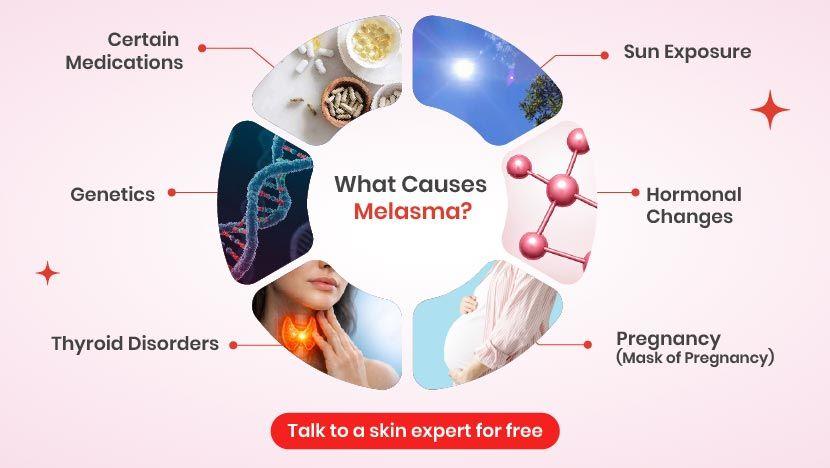
What Causes Melasma?
Melasma develops when melanocytes, the cells that are responsible for producing melanin, become overactive and produce excess pigment. While there isn't a single cause of melasma, the condition usually results from a combination of internal and external factors such as,
1: Sun Exposure
Sun exposure is the leading trigger for melasma on the face. Ultraviolet (UV) rays, visible light, and even infrared heat stimulate melanocytes to produce more melanin, making existing patches darker and more noticeable. Even a few minutes of unprotected sun exposure can worsen melasma, which is why broad-spectrum sunscreen is a crucial part of every melasma skin treatment plan.
2: Hormonal Changes
Hormonal fluctuations, especially in women. Increased levels of estrogen and progesterone can stimulate pigment production, leading to the appearance of brown patches on the face. Hormonal changes associated with birth control pills, hormone replacement therapy (HRT), or certain medical conditions may contribute to melasma.
3: Pregnancy (Mask of Pregnancy)
Melasma that develops during pregnancy is commonly known as the "mask of pregnancy" or chloasma. It often appears during the second or third trimester due to hormonal changes combined with sun exposure. While pigmentation may fade after childbirth for some women, others may require professional melasma treatment if the patches persist.
4: Genetics
Genetics can significantly influence your risk of developing melasma. Studies suggest that many people diagnosed with melasma have a close family member with the same condition. Individuals with medium to darker skin tones (Fitzpatrick skin types III to VI) are also more susceptible because their skin naturally contains more active melanocytes.
5: Certain Medications
Some medications and skincare products can increase the skin's sensitivity to sunlight or trigger pigment production. These may include:
- Oral contraceptive pills
- Hormone replacement therapy
- Certain anti-seizure medications
- Photosensitising drugs
- Fragranced cosmetics or skincare products that cause phototoxic reactions
If pigmentation develops after starting a new medication, consult your healthcare provider or dermatologist before making any changes.
6: Thyroid Disorders
Research has shown an association between thyroid disorders and melasma, particularly in women. Hormonal imbalances due to thyroid dysfunction may contribute to excessive melanin production, increasing the likelihood of persistent facial pigmentation.

Symptoms of Melasma
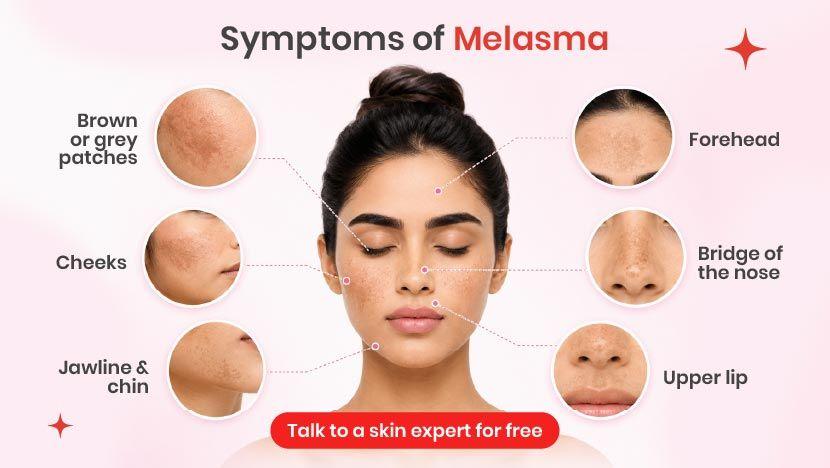
Melasma appears as flat, symmetric patches of pigmentation that develop gradually over time. Compared with acne or skin rashes, melasma does not cause pain, itching, or raised bumps. Instead, it appears as a brown, grey-brown, or bluish-grey discoloration which becomes noticeable after sun exposure or hormonal changes.
Recognizing the symptoms early can help you seek timely melasma treatment, improving the chances of managing pigmentation before it becomes more stubborn.
Common Symptoms of Melasma
- Brown or Grey-Brown Patches: The most common sign of melasma is the appearance of light brown, dark brown, or grey-brown patches with irregular but well-defined borders. In some people, especially those with darker skin tones, the pigmentation may appear bluish-grey.
- Cheeks: The cheeks are the most frequently affected area. Pigmentation often develops on both sides of the face, creating a symmetrical appearance.
- Forehead: Melasma commonly appears across the forehead, particularly in people with prolonged sun exposure or hormonal triggers.
- Bridge of the Nose: Dark patches may develop over the bridge of the nose and often extend across the central part of the face.
- Upper Lip: Pigmentation on the upper lip is a common symptom and is sometimes mistaken for a shadow or moustache. This area can be particularly resistant to treatment without dermatologist-guided care.
- Jawline and Chin: Some individuals develop melasma along the jawline and chin, especially in cases associated with hormonal changes or chronic sun exposure.
Tip: If facial pigmentation continues to darken despite daily sunscreen or home remedies, don't wait. Seeking early treatment for facial melasma can improve results and reduce the likelihood of recurrence.
Best Melasma Treatments at MakeO
At MakeO Skin & Hair Clinic, we understand that there is no single best treatment for melasma. The right approach depends on the type of melasma, the depth of pigmentation, your skin tone, and the underlying cause. That's why our dermatologists create personalized melasma skin treatment plans using evidence-based therapies that target pigmentation safely while helping minimize recurrence.
Whether you have newly developed melasma on your face or long-standing, stubborn pigmentation, our treatment plans may combine topical medications, chemical peels, laser treatments, and maintenance care to achieve the best possible outcomes.
Topical Prescription Medications
Prescription medications are often the first line of melasma treatment, especially for mild to moderate pigmentation, such as melasma treatment creams like,
- Hydroquinone helps reduce excess melanin production and fade pigmentation.
- Azelaic Acid gently helps to brighten uneven skin tone while reducing inflammation.
- Kojic Acid inhibits melanin production and improves superficial pigmentation.
- Retinoids can help to accelerate skin cell turnover and enhance the effectiveness of other topical treatments.
- Topical Tranexamic Acid effectively helps to reduce stubborn pigmentation by targeting pathways involved in melanin production.
These prescription therapies are often used together to improve results while reducing the risk of recurrence.
Chemical Peels for Melasma
Medical-grade Chemical Peels help exfoliate the skin's surface while reducing excess pigmentation and improving overall skin tone.
At MakeO Skin & Hair Clinic, dermatologists may recommend superficial chemical peels that are suitable for treating melasma while minimizing irritation. Depending on your skin type and pigmentation, peels may be combined with prescription creams as part of a comprehensive melasma pigmentation treatment plan.
Benefits:
- Gradual reduction in pigmentation
- Improved skin texture and radiance
- Enhanced absorption of prescription medications
- Better outcomes when combined with topical therapies
Advanced Melasma Laser Treatment
For deeper or treatment-resistant pigmentation, your dermatologist may recommend melasma laser treatment as part of a combination treatment plan.
At MakeO Skin, advanced pigmentation treatments may include:
- Laser Toning (Q-Switched Laser): Uses low-energy laser pulses to target excess melanin while minimising damage to surrounding skin.
- Pico Laser: Delivers ultra-short laser pulses to break down pigmentation more efficiently, making it a suitable option for selected patients with stubborn melasma.
- Low-Fluence Laser Therapy: Uses gentle laser settings to gradually improve pigmentation while reducing the risk of post-inflammatory hyperpigmentation, particularly in Indian skin tones.
While many patients ask for the best laser treatment for melasma, no single laser suits everyone. The most appropriate laser depends on the depth of pigmentation, skin type, and previous treatment history.
Because laser therapy may not be suitable for every patient, our dermatologists perform a thorough skin evaluation before recommending treatment. In many cases, laser therapy is combined with prescription medications for safer, more effective, and longer-lasting results.
Photofacial for Melasma Treatment
A photofacial is a non-invasive melasma skin treatment that uses Intense Pulsed Light (IPL) technology to improve the appearance of pigmentation, uneven skin tone, and dark spots. It delivers controlled pulses of light into the skin, making it a popular option for melasma treatment and other forms of hyperpigmentation.
How Does a Photofacial Work for Melasma?
- During a photofacial, specific wavelengths of light are absorbed by melanin, the pigment responsible for dark patches.
- The light energy helps break down excess pigment, which is then gradually cleared by the skin.
- Over a series of treatments, this can make areas of pigmentation appear lighter and help create a more even-looking complexion.
How Can You Prevent Melasma From Coming Back?
By following a proper dermatologist-recommended skincare routine, melasma can be prevented. This includes using broad-spectrum sunscreen, limiting direct sun exposure, wearing protective clothing, and avoiding unnecessary heat exposure, which can help reduce triggers.
Combination Therapy: The Gold Standard for Melasma Treatment
Clinical evidence shows that the most effective melasma treatment is often a combination approach, rather than relying on a single cream or procedure.
Depending on your skin condition, your dermatologist may combine:
- Prescription topical medications
- Medical-grade chemical peels
- Laser toning or other advanced laser therapies
- Oral medications (when appropriate)
- Daily SPF 50+ sun protection and maintenance skincare
This personalized strategy addresses pigmentation at multiple levels, improves treatment outcomes, and reduces the risk of melasma recurrence.
Which Type Of Melasma Treatment Is Best for You?
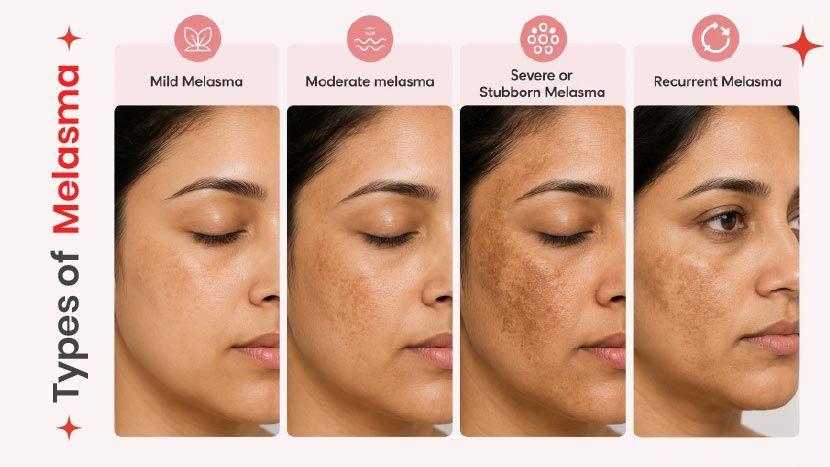
The right melasma treatment depends on the type of melasma you have and how severe it is, such as depth of pigmentation, your skin tone, underlying causes, and how long that condition has been present.
For most people, the most effective melasma pigmentation treatment is a combination approach rather than a single procedure. Dermatologists often combine prescription creams, chemical peels, laser toning, facials, advanced laser treatments, and daily sun protection to target pigmentation from multiple angles while reducing the risk of recurrence.
If laser treatment is recommended, your dermatologist will determine whether you're a suitable candidate based on your skin type and the depth of pigmentation. The best laser treatment for melasma varies from person to person and should always be selected after a detailed skin evaluation to ensure both safety and effectiveness.
Melasma Laser Treatment Cost
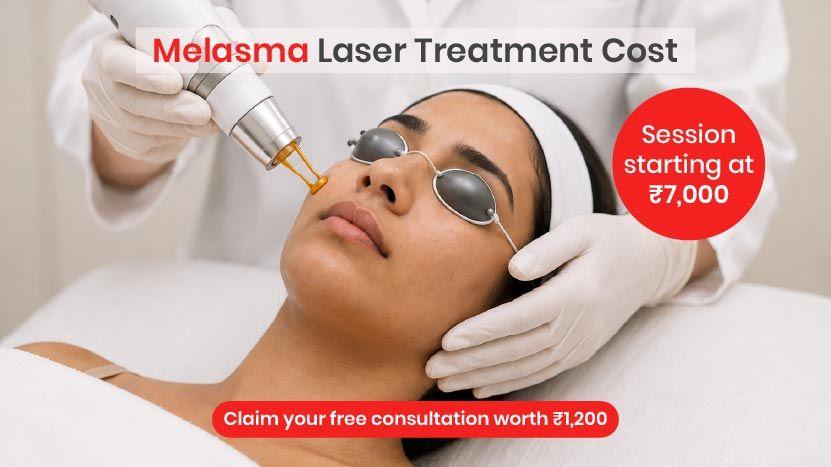
The cost of melasma laser treatment in India ranges from ₹4,000 to ₹12,000 per session, depending on factors such as the severity of pigmentation, the laser technology used, the clinic's location, and your personalized treatment plan. Most patients require 4 to 6 sessions for optimal results, although the exact number varies based on the depth of pigmentation and your dermatologist's assessment.
How Many Sessions Are Needed?
It takes around 4 to 8 sessions to manage melasma. The number of sessions required to treat melasma varies from person to person and depends on the extent of melasma, depth of pigmentation, skin type, and treatment recommended by dermatologists.
How to Prevent Melasma from Returning
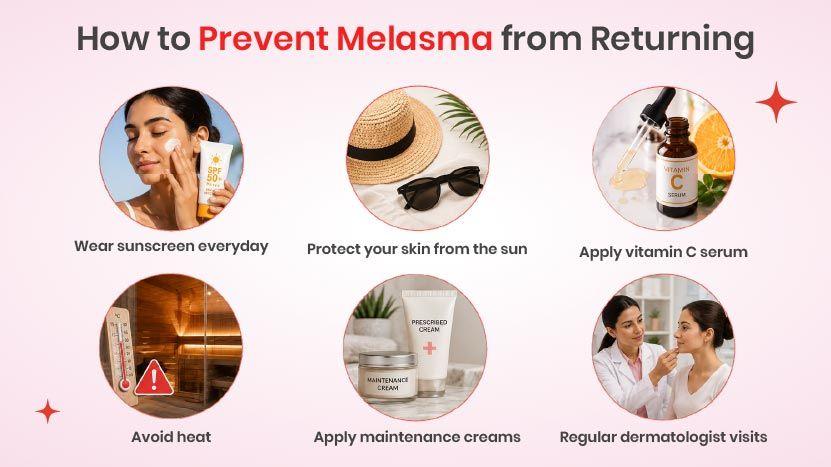
Melasma is a chronic pigmentation condition, meaning it can recur even after successful treatment if the underlying triggers are not managed. While professional melasma treatment helps reduce existing pigmentation, maintaining your results requires a consistent skincare routine and daily sun protection.
- Wear sunscreen every day: Broad-spectrum SPF 50+ sunscreen is the most important step in preventing melasma recurrence. Apply sunscreen every morning, even on cloudy days or when you're indoors near windows, and reapply every 2 to 3 hours if you're outdoors. Tinted sunscreens containing iron oxides can also help protect against visible light, which may trigger melasma.
- Protect Your Skin from the Sun: In addition to sunscreen, wear wide-brimmed hats, sunglasses, and UV-protective clothing when you are outdoors. Try to avoid direct sun exposure during peak hours (10 a.m. to 4 p.m.), when UV radiation is strongest.
- Vitamin C: Vitamin C is a powerful antioxidant that helps protect the skin from free radical damage caused by UV exposure. It also supports a brighter, more even complexion and can complement your melasma treatment by reducing the appearance of pigmentation over time. You can even apply vitamin C serums prescribed by your doctor.
- Avoid heat: Heat can stimulate melanin production, even without direct sunlight. Limit prolonged exposure to hot environments such as saunas, steam rooms, and excessive outdoor heat whenever possible, especially if you are prone to melasma.
- Maintenance creams: Your dermatologist may recommend a melasma treatment cream or other maintenance skincare products after your active treatment is complete. Using these as directed can help control pigmentation and reduce the chances of recurrence.
- Regular dermatologist visits: Follow-ups allow your dermatologist to monitor your skin, adjust your treatment plan as needed, and address early signs of recurring pigmentation before it becomes more noticeable.
When Home Care Isn't Enough
While daily sun protection, skincare, and at-home melasma treatment can help manage mild pigmentation and reduce the risk of recurrence, they may not be sufficient for deeper or persistent melasma. If your dark patches continue to spread, become more noticeable, or do not improve despite consistent home care, it's time to seek professional help.
At MakeO Skin, our experienced dermatologists create personalized treatments for facial melasma based on your skin type, the severity of pigmentation, and its underlying causes. Depending on your condition, your treatment plan may include prescription melasma treatment creams, advanced chemical peels, laser therapies, or combination treatments designed to reduce pigmentation while minimizing the risk of recurrence.
If you are looking for the best treatment for melasma on your face, don't wait for the pigmentation to become more stubborn. Early diagnosis and melasma treatment can help you achieve better, longer-lasting results with expert dermatologist-led care.
Why Choose MakeO for Melasma Treatment?
Melasma is a complex and recurring pigmentation condition that often requires more than over-the-counter skincare, and if the condition persists for a long time, professional skincare clinics may be needed for treatment.
At MakeO Skin & Hair Clinic, we take a dermatologist-led, evidence-based approach to create personalized treatment plans that address the root causes of pigmentation and help minimize recurrence.
Experienced Dermatologists, You Can Trust
At MakeO Skin & Hair Clinic, your skin is assessed by experienced dermatologists who evaluate the type, depth, and severity of your melasma before recommending the most suitable treatment. Every treatment plan is customized based on your skin type, medical history, lifestyle, and pigmentation pattern, ensuring safe and effective care.
Advanced Laser & Pigmentation Treatments
For patients with stubborn or treatment-resistant pigmentation, our dermatologists recommend melasma laser treatment as part of a combination approach. Using advanced laser technologies and carefully selected treatment protocols, we target excess pigmentation while prioritizing skin safety, especially for Indian skin tones.
Pan-India Clinics
With MakeO Skin clinics across multiple cities in India, expert dermatology care is easily accessible. From consultation to follow-up appointments, we provide consistent, personalized care throughout your melasma treatment journey.
Flexible EMI Options
We believe quality skin care should be accessible. Flexible EMI options make it easier to begin your melasma treatment on your face without delaying the care you need.
Safe Technologies & Personalized Care
At MakeO Skin, we use dermatologist-approved treatment technologies and personalized protocols to manage pigmentation concerns safely. Our focus is on delivering the safest and most effective treatment plan based on your skin's unique needs.
Living with melasma can be frustrating, but the right care can make a significant difference. While sunscreen and skincare play an important role, persistent pigmentation often requires professional melasma treatment tailored to your skin type and the underlying cause.
At MakeO Skin & Hair Clinic, our experienced dermatologists offer comprehensive pigmentation care using evidence-based treatments, including melasma laser treatment, medical-grade chemical peels, prescription therapies, and advanced pigmentation treatments designed for Indian skin.
Beyond melasma, we also provide a wide range of dermatologist-led skin treatments, including HydraFacial, DermaFacial, Laser Hair Reduction, Skin Whitening Treatments, and customized skincare solutions to help you achieve healthier, brighter, and more confident skin.
MakeO combines advanced technology with personalized dermatology care to deliver safe, effective, and long-lasting results.
Book your free consultation today.
Frequently Asked Questions
Can melasma be cured permanently?
Melasma is a chronic skin condition that cannot always be cured permanently. However, with the right melasma treatment, including prescription medications, chemical peels, laser therapy, and consistent sun protection, pigmentation can be significantly reduced and well controlled. Long-term maintenance is essential to minimize recurrence.
Which cream is best for melasma?
The best melasma treatment cream depends on the severity of your pigmentation and your skin type. Dermatologists commonly prescribe creams containing hydroquinone, azelaic acid, kojic acid, retinoids, or tranexamic acid. These should only be used under medical supervision, as self-medication may cause skin irritation or worsen pigmentation.
Is melasma treatment painful?
No, most melasma skin treatment options are well tolerated. Prescription creams are painless, while procedures such as chemical peels may cause mild tingling. Melasma laser treatment may produce a warm snapping sensation, but discomfort is usually minimal and temporary. Your dermatologist will recommend the most comfortable treatment based on your skin.
Does laser completely remove melasma?
No. Melasma laser treatment can significantly reduce pigmentation, but it does not permanently eliminate melasma. Since melasma is influenced by hormones, genetics, and sun exposure, it can recur over time. Laser therapy often delivers the best results when combined with prescription topical treatments and diligent sun protection.
Can melasma come back?
Yes. Melasma may return even after successful treatment, especially with excessive sun exposure, hormonal changes, pregnancy, or inconsistent skincare. Following your dermatologist's maintenance plan, using sunscreen daily, and attending regular follow-up appointments can help reduce recurrence after treatment for facial melasma.
Is pregnancy melasma treatable?
Yes, but treatment options during pregnancy are limited for safety reasons. Dermatologists usually recommend broad-spectrum sunscreen, gentle skincare, and avoiding excessive sun exposure. More advanced melasma pigmentation treatments, including prescription medications or laser procedures, are generally recommended after pregnancy or breastfeeding, depending on your dermatologist's advice.
How much does melasma treatment cost?
The cost of melasma treatment varies depending on the severity of pigmentation, the treatment recommended, and the number of sessions required. The cost of melasma laser treatment may vary based on the laser technology used and your personalized treatment plan. A dermatologist consultation is the best way to receive an accurate estimate.
How long does treatment take?
Most patients begin noticing improvement within 4 to 8 weeks, but complete melasma treatment may take 3 to 6 months or longer, depending on the depth of pigmentation and the treatment used. Consistent home care and maintenance are important for achieving long-lasting results.
Can men get melasma?
Yes. Although melasma is more common in women, men can also develop melasma on the face, particularly if they have darker skin tones, prolonged sun exposure, or a family history of the condition. The treatment approach is similar and is tailored to the individual's skin type and pigmentation.
Is sunscreen mandatory during treatment?
Absolutely. Daily use of a broad-spectrum SPF 50+ sunscreen is one of the most important parts of melasma treatment. Without proper sun protection, pigmentation can worsen or return, reducing the effectiveness of creams, chemical peels, and laser treatments.
Can chemical peels help melasma?
Yes. Superficial chemical peels can improve mild to moderate melasma by removing pigmented skin cells and enhancing the effectiveness of topical medications. They are often combined with prescription creams as part of a personalized melasma pigmentation treatment plan to achieve better, longer-lasting results.
Which laser is best for melasma?
There is no single best laser treatment for melasma for every patient. Depending on your skin type and the depth of pigmentation, your dermatologist may recommend Laser Toning (Q-Switched Laser), Pico Laser, or Low-Fluence Laser Therapy. The most suitable option is determined after a detailed skin assessment, and laser treatment is often combined with topical therapies to maximise results while reducing the risk of recurrence.
How to treat melasma at home?
Home care can help manage mild melasma but is usually not enough for stubborn pigmentation. Effective home care includes:
- Applying broad-spectrum SPF 50+ sunscreen daily
- Using dermatologist-recommended skincare
- Incorporating antioxidant serums like Vitamin C
- Avoiding prolonged sun and heat exposure
If home care doesn't improve pigmentation, consult a dermatologist for advanced melasma skin treatment.
How to remove melasma?
There is no single treatment that completely removes melasma for everyone. The most effective approach combines prescription creams, chemical peels, advanced laser procedures, and ongoing sun protection under dermatologist supervision.
Does melasma go away on its own?
Sometimes, pregnancy-related melasma improves after childbirth, but many cases do not disappear without treatment. Persistent pigmentation generally requires professional melasma treatment to achieve noticeable improvement.
What is the best treatment for melasma?
There is no universal best treatment for melasma. The most effective results usually come from a personalized combination of prescription medications, chemical peels, laser therapy, and strict sun protection customized to your skin and pigmentation.
Can ACV and castor oil be combined for melasma treatment?
There is currently no strong scientific evidence that combining apple cider vinegar (ACV) and castor oil effectively treats melasma. ACV may also irritate sensitive skin and potentially worsen pigmentation. It is best to consult a dermatologist before trying home remedies.
Does PRP treatment work for melasma?
Platelet-Rich Plasma (PRP) is not considered a first-line treatment for melasma. While some early studies suggest it may improve skin quality when combined with other treatments, more clinical evidence is needed. Dermatologists usually recommend established melasma pigmentation treatment options such as topical medications, chemical peels, and laser therapy.
Is there any benefit in laser treatment for melasma?
Yes. Melasma laser treatment can help reduce stubborn pigmentation, especially when topical treatments alone are insufficient. Laser therapy works best as part of a combination treatment plan and should always be performed under dermatologist supervision to minimize the risk of recurrence.
What should we eat during melasma treatment?
A balanced diet supports overall skin health during melasma treatment. Consider including:
- Vitamin C-rich fruits (oranges, kiwis, berries)
- Leafy green vegetables
- Foods rich in antioxidants
- Omega-3 fatty acids (salmon, walnuts, flaxseeds)
- Adequate water intake
Although a healthy diet supports skin wellness, it cannot replace professional treatment for melasma.
Which acid is effective in melasma treatment?
Several acids are commonly used in melasma skin treatment, depending on your skin type and the severity of pigmentation. These include:
- Azelaic Acid – Reduces pigmentation and inflammation.
- Tranexamic Acid – Helps regulate melanin production.
- Kojic Acid – Inhibits melanin formation.
- Glycolic Acid – Commonly used in chemical peels to exfoliate pigmented skin.
- Retinoic Acid (Tretinoin) – Increases skin cell turnover and improves the effectiveness of other treatments.
These ingredients should be used under a dermatologist's guidance to achieve safe and effective results.