dark circles treatment

- ToothsiSmile CorrectionBrighter smilenewToothsi Productsnew
- Skin & HairLaser hair removalnewestAdvance skin treatmentfacialsHair TreatmentNew



Under Eye Dark Circles: Causes, Types, Treatment, and Prevention
Dark circles under the eyes, or periorbital or infraorbital hyperpigmentation and discolouration, as it is known in clinical literature, can be caused by several factors, including pigmentation, visible blood vessels, aging, inflammation, genetics, and structural changes around the eyes.
There are many reasons why you might have dark circles, so treatment should be individualized for your skin type. Skinnsi provides dermatologist-backed skin consultations & treatment services to help people find the right options for their skin concerns. The reason behind those persistent dark circles can be diagnosed with the help of professional assessment.
Why Do I Have Dark Circles Even If I Get Enough Sleep?
There can be several factors contributing to dark circles, like pigmentation, genetics, age, structural changes around the eyes, visible blood vessels, and inflammation. Dehydration and lack of sleep can also make them appear more pronounced.
As mentioned in the Journal of Clinical and Esthetic Dermatology, the contributing factors are hereditary, post-inflammatory pigmentation, vascular visibility, and tear trough-related shadowing. If you are getting enough sleep but still can’t get rid of dark circles, a MakeO dermatologist consultation can help determine if the concern may be due to pigmentation, skin changes, or other contributing factors.
What causes Under-Eye Dark Circles?
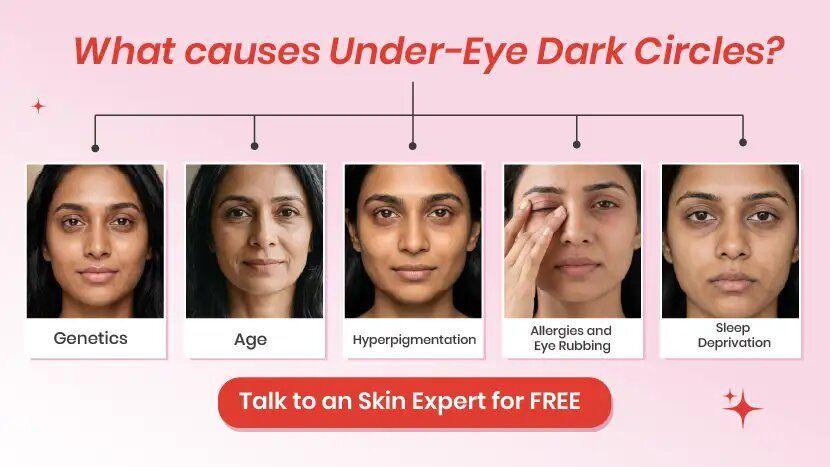
Genetics: Anatomical traits as well as hereditary factors like pigmentation can cause dark circles.
Age: Thinning of the skin and changes in tissue volume may result in increased visibility of vessels and shadowing.
Hyperpigmentation: Excess melanin or pigmentation due to inflammation can lead to a darkening of the under-eye area.
Allergies and eye rubbing: Repeated rubbing and inflammation may cause pigmentation and irritation.
Sleep deprivation: Not getting enough sleep can make under-eye darkness look worse, but that isn’t always the reason.
How Can I Identify the Type of Dark Circles I Have?
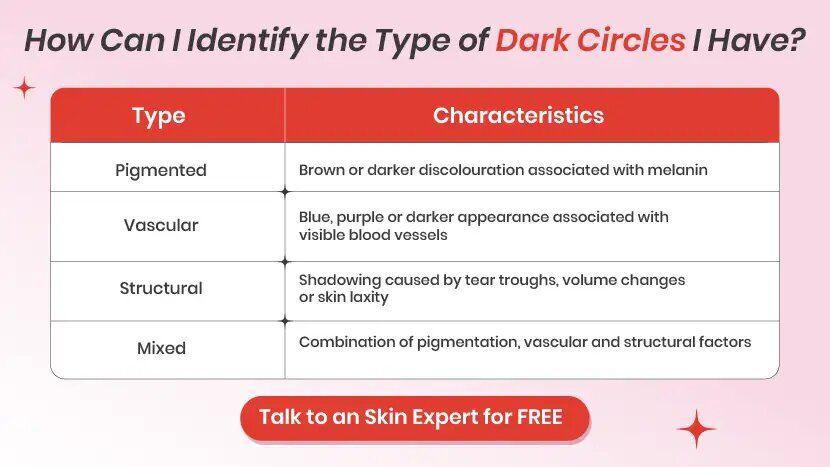
Dark circles may be of different types for different people. Each type has different contributing mechanisms.
MakeO provides a professional assessment to help determine the contributing factors, thereby finalizing the type of treatment. Skinnsi also has a free skin analysis to understand the reasons behind your skin troubles.
How to Remove Dark Circles Under Eyes Permanently
Treatment for dark circles is based on the underlying cause. Clinic-based treatments such as tear trough fillers, chemical peels, and laser therapy can be considered for appropriate patients. Topical treatments can also help with some causes of dark circles, especially those due to pigmentation. There is no one procedure or skin care product for every type of dark circle.
Can skincare products help with dark circles?
Ingredients such as retinoids, vitamin C, and caffeine may help tackle wrinkles and hyperpigmentation, while peptides and hyaluronic acid can help with collagen production and hydration, according to research published in the National Library of Medicine. Niacinamide and ceramides help to reduce wrinkles and improve the skin barrier function.
Can laser treatment reduce dark circles?
Laser treatments have been explored for vascular and pigmentary types of periorbital discolouration. Results depend on treatment, cause of darkness and characteristics of the patient’s skin.
Professional assessment before treatment is important. People viewing dermatological treatments through Skinnsi can speak to a qualified expert about their skin problems and treatment options.
Are chemical peels or fillers used for dark circles?
Chemical peels can be considered for selected pigmentation-related concerns. Dark circles with volume loss have been studied for fillers and fat grafting.
A systematic review showed that the outcome of treatment is dependent on the underlying cause and that the evidence available is limited for some treatment modalities.
How to remove dark circles at home?
Lifestyle changes can help deal with contributing factors but can’t get rid of all types of dark circles.
Getting enough sleep, not rubbing your eyes repeatedly and wearing appropriate sun protection can all help support skin health. However, hereditary pigmentation and structural shadowing may remain despite these measures.
But if dark circles come with itching, irritation, or persistent swelling, a health care professional should assess the underlying cause. If you’re not getting results with your basic skin care, Skinnsi can hook you up with professional skin consultations and treatment advice.
When Should I See a Dermatologist for Dark Circles?

Consider a dermatological consultation if dark circles persist, their cause is unclear, or they are accompanied by other symptoms.
If you are looking for professional treatment for dark circles, the right clinical approach can make the process more informed and personalized. MakeO provides to patients:
Service at your convenience: Get professional skin care in a convenient, streamlined experience.
Expert-endorsed: Obtain treatment suggestions from experienced skin and dental care specialists.
Latest technology: Utilize cutting-edge treatment technologies and procedures that are grounded in clinical evidence.
Personalized care: Get treatment recommendations that are tailored to your unique skin concerns and needs.
Budget-friendly: Browse through professional treatment options that are affordable without compromising on care.
Always there: Access the care and support you need, when you need it, with easy appointment options.
Professional evaluation is particularly relevant when:
Dark circles develop suddenly or change significantly.
Itching, redness or irritation is present.
Swelling occurs around the eyes.
The concern does not improve with basic skincare and lifestyle measures.
You are considering laser treatment, chemical peels or injectable procedures.
A clinical assessment can help distinguish pigmentary, vascular and structural causes and guide treatment selection.
What Vitamin Deficiency Causes Dark Circles?

Nutritional deficiencies can cause changes in the skin, but dark circles are not a sign of a nutritional deficiency. If other symptoms are present, iron and B12 deficiency should be considered.
Iron Deficiency
Iron deficiency, particularly in conjunction with anaemia, can affect the appearance of the skin. A medical workup and blood tests can help determine if there is a deficiency.
Vitamin B12 Deficiency
Some clinical reports have associated pigmentation with vitamin B12 deficiency. Its direct contribution to the formation of dark circles needs to be further investigated.
Can MakeO Help With Dark Circles?
There may be other reasons behind dark circles, so if they’re a persistent problem or basic skincare isn’t working, it’s worth getting a professional to assess them.
Skinnsi offers dermatologist-backed skin consultation and treatment services through MakeO. People can see what’s available for their skin concerns and discuss whether a professional treatment approach is the right one for them.
FAQs
What is the main cause of dark circles?
Dark circles can develop due to genetics, pigmentation, ageing, visible blood vessels, inflammation and structural changes. The primary cause differs between individuals.
Can dark circles be permanently removed?
Treatment outcomes depend on the underlying cause. Current research does not establish a universally effective treatment that permanently removes every type of dark circle.
Why do I have dark circles even after getting enough sleep?
Adequate sleep may not resolve dark circles caused by genetic pigmentation, vascular visibility or structural shadowing.
Which treatment is best for dark circles?
The appropriate treatment depends on the type and cause of dark circles. A dermatologist can assess whether topical treatments, chemical peels, lasers or other procedures are suitable.