
- ToothsiSmile CorrectionBrighter smilenewToothsi Productsnew
- Skin & HairLaser hair removalnewestAdvance skin treatmentfacials



Advanced Skin Pigmentation Treatment For Dark Spots & Melasma
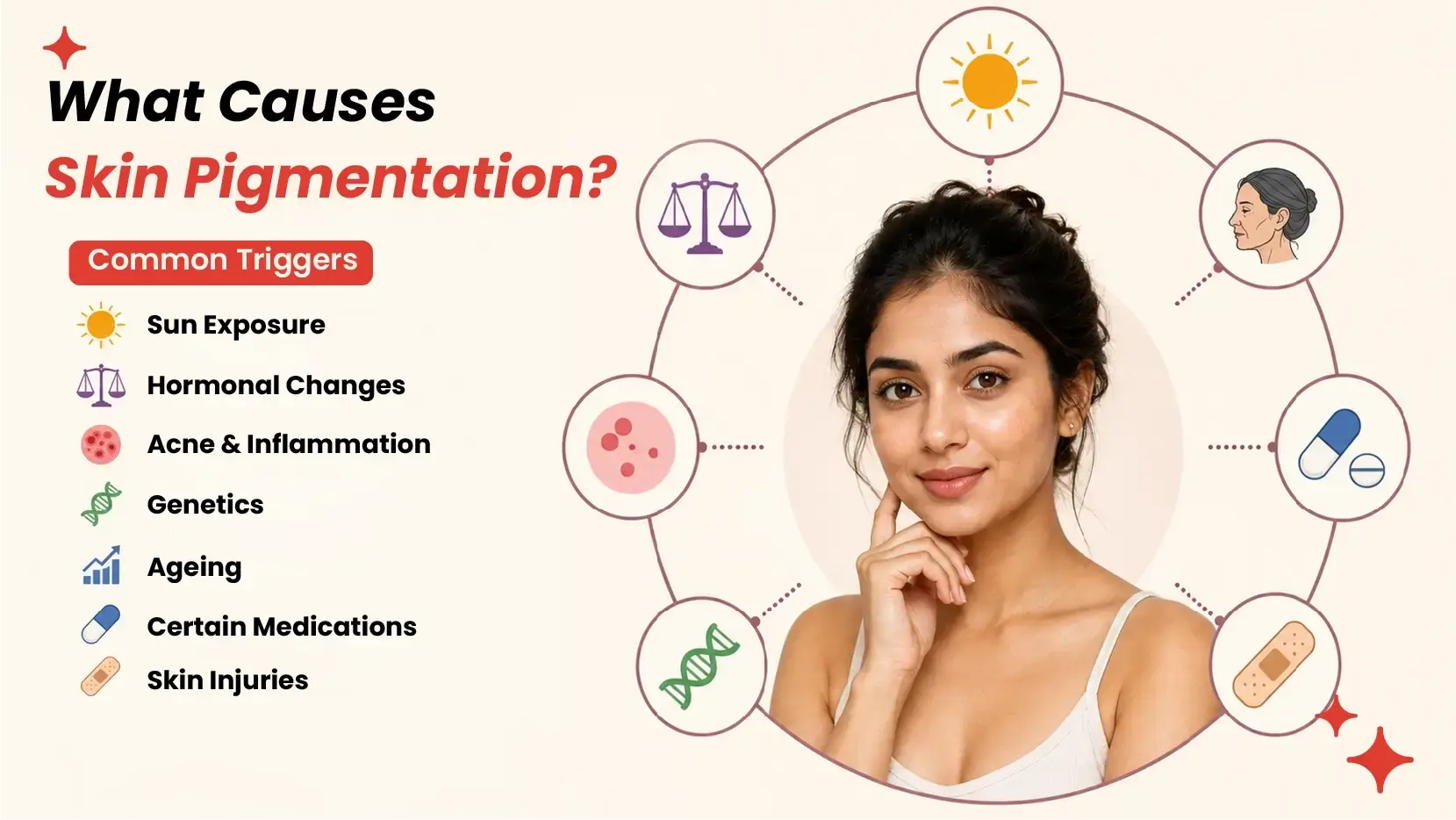
Skin pigmentation is one of the most common dermatological concerns, affecting people of all ages and skin types. It occurs when excess melanin, the pigment responsible for skin color, is produced or distributed unevenly, leading to dark spots, melasma, acne marks, sunspots, tanning, or an uneven skin tone.
The good news is that most types of pigmentation can be effectively managed with the right diagnosis and a personalized treatment plan. The most effective skin pigmentation treatments depend on the underlying cause, the depth of pigmentation, and your skin type. Dermatologist-supervised options such as laser toning, chemical peels, medical-grade skincare, and advanced facial treatments like Hydrafacial , Dermafacial can help reduce excess pigmentation while improving overall skin clarity.
If you're looking for skin pigmentation treatment, book your appointment at MakeO today and take the first step towards clearer, healthier skin. Our expert team of dermatologists will assess your skin, identify the underlying cause of your pigmentation, and create a personalized treatment plan customized to your skin type and concerns.
So book your free consultation for skin pigmentation treatment and welcome clear and healthy skin!
What Is Skin Pigmentation?
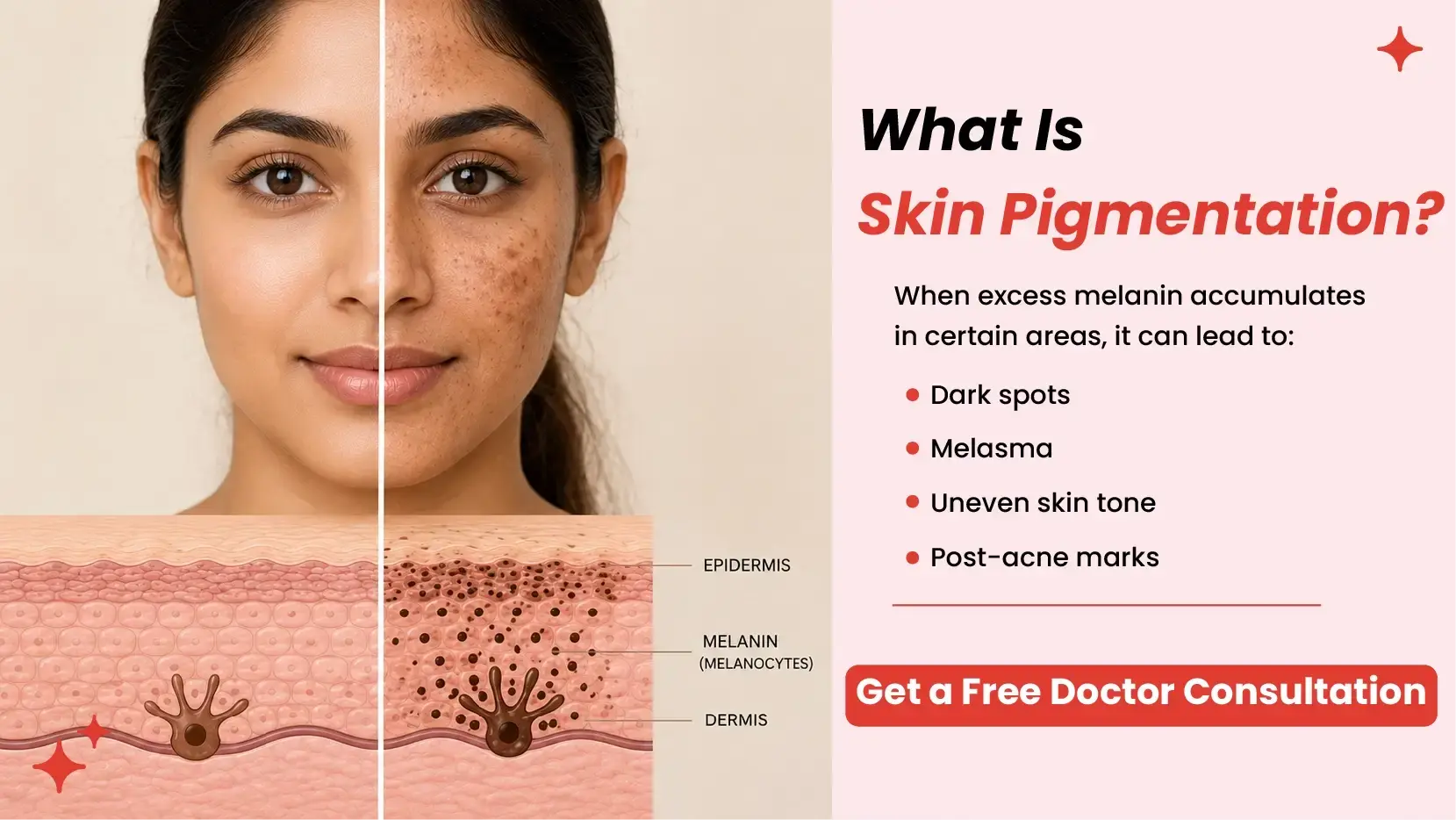
Skin pigmentation refers to the natural color of your skin, which is determined by a pigment called melanin. Melanin is produced by specialized skin cells known as melanocytes and plays an important role in protecting the skin from harmful UV radiation. While everyone's skin naturally contains melanin, differences in its amount and distribution create different skin tones.
However, when melanin production becomes excessive or uneven, it can lead to hyperpigmentation, a common skin concern where certain areas appear darker than the surrounding skin.
These patches can develop due to sun exposure, hormonal changes, acne, skin injuries, aging, or certain medical conditions. Although hyperpigmentation is usually harmless, it can affect skin tone, texture, and overall confidence.
1. Melasma
Melasma is a type of hyperpigmentation that appears as symmetrical brown, grey-brown, or tan patches, most commonly on the cheeks, forehead, nose, chin, and upper lip.
Melasma is caused by hormonal changes, prolonged sun exposure, pregnancy, or certain medications. It is more common in women and people with medium- to darker skin tones.
Dermatologists often recommend a combination of prescription skincare, sun protection, and professional skin pigmentation treatment for long-term improvement.
2. Post-Inflammatory Hyperpigmentation (PIH) and PIE: What Is The Difference Between Them?
Post-inflammatory hyperpigmentation (PIH) refers to dark brown, black, or grey marks that remain after the skin heals from acne, eczema, burns, rashes, or injuries. These marks result from excess melanin production during the healing process.
Post-inflammatory erythema (PIE), on the other hand, appears as red, pink, or purple marks caused by damaged blood vessels rather than excess pigment. While PIH responds to pigmentation-targeting treatments, PIE often requires a different treatment approach. Since both conditions can look similar, a professional diagnosis helps determine the most effective skin pigmentation treatment.
3. Sunspots and Age Spots
Sunspots, also called solar lentigines or age spots, are flat brown or black spots caused by years of cumulative UV exposure. They commonly develop on areas frequently exposed to sunlight, including the face, hands, shoulders, neck, and arms.
4. Acne Marks and Dark Spots
Acne often leaves behind visible marks even after breakouts have healed. These dark spots are usually a form of post-inflammatory hyperpigmentation caused by inflammation triggering excess melanin production.
5. Freckles
Freckles are small, flat brown spots that develop due to genetics and sun exposure. They are most commonly seen on the face, shoulders, and arms and tend to become darker after sun exposure while fading during periods of reduced sunlight.
Freckles are harmless and do not require treatment unless they are a cosmetic concern. Consistent sun protection can help prevent them from becoming more noticeable.
6. Uneven Skin Tone And Tanning
Uneven skin tone happens when melanin is distributed irregularly across the skin, making some areas appear darker than others. One of the most common causes is tanning, which develops when UV exposure stimulates increased melanin production as a natural protective response.

What Causes Skin Pigmentation?
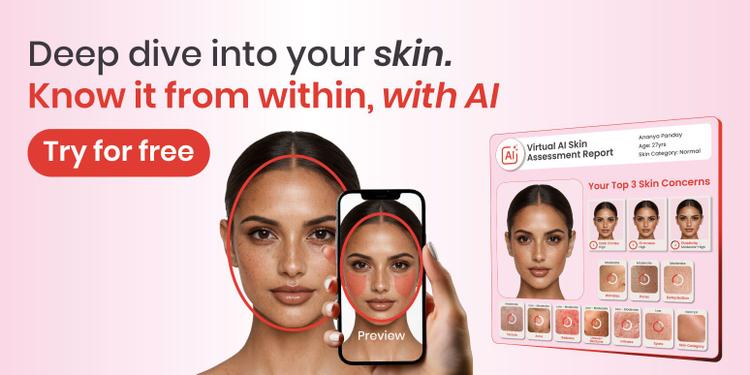
The cause of pigmentation is mainly due to many reasons. Understanding the cause of pigmentation is the first step toward choosing the most effective treatment. Some of the causes are as follows:
- Sun Exposure
Sun exposure is one of the most common causes of pigmentation. The ultraviolet (UV) rays stimulate melanocytes to produce more melanin as a protective response against skin damage.
Over time, repeated sun exposure can cause melanin to accumulate in certain areas, leading to sunspots, age spots, tanning, and worsening of existing pigmentation conditions such as melasma.
- Hormonal Changes
Hormonal changes are one of the major causes of pigmentation. It can significantly influence melanin production. Such things as pregnancy, hormonal contraceptives, menopause, and certain endocrine disorders may trigger melasma, a condition that causes symmetrical brown or gray-brown patches, particularly on the cheeks, forehead, nose, and upper lip.
- Acne And Inflammation
Inflammation is another leading cause of pigmentation. When the skin heals after acne breakouts, eczema, allergic reactions, burns, or other inflammatory conditions, it may produce excess melanin. This results in post-inflammatory hyperpigmentation (PIH), which appears as brown or dark spots after the original skin concern has resolved.
- Ageing
As the skin ages, years of cumulative sun exposure and natural changes in skin function can lead to uneven melanin distribution. This commonly results in age spots (solar lentigines), which appear as flat brown or black spots on sun-exposed areas such as the face, hands, shoulders, and arms.
- Genetics
Your genetic makeup plays an important role in determining how your skin produces and responds to melanin. Some people are naturally more prone to freckles, melasma, or post-inflammatory pigmentation due to inherited traits. Individuals with medium to darker skin tones are also more likely to develop hyperpigmentation after acne, injuries, or inflammation because their melanocytes are more active.
How Can You Treat Pigmentation?

There is no single treatment that works for every type of pigmentation. The right pigmentation treatment depends on factors such as the underlying cause, the depth of the pigment, your skin type, and the severity of the concern.
While superficial pigmentation may respond well to topical treatments and chemical exfoliation, deeper pigmentation often requires advanced dermatological procedures such as skin treatments like
1. Laser Toning
Laser toning is one of the most commonly recommended and beneficial pigmentation treatments for concerns such as melasma, sunspots, age spots, and post-inflammatory hyperpigmentation (PIH).
In laser toning, dermatologists use controlled laser energy to target excess melanin beneath the skin without significantly affecting the surrounding tissue.
Over multiple sessions, laser toning can help to:
- Fade stubborn pigmentation and dark spots.
- Improve overall skin tone and brightness.
- Stimulate collagen production for healthier-looking skin.
- Treat pigmentation with minimal downtime in suitable candidates.
The number of sessions required depends on the type and depth of pigmentation.
2. Chemical Peels
Dermatologists' guided Chemical Peels use exfoliating acids to remove damaged outer skin layers and encourage the growth of healthier skin cells. They are particularly effective for superficial pigmentation, acne marks, mild melasma, and uneven skin tone.
Benefits of chemical peels include:
- Faster skin cell turnover - Reduction in post-acne pigmentation - Brighter and smoother skin - Improved absorption of prescription skincare products
3. Hydrafacial And Dermafacials
HydraFacial and dermatologist-guided dermafacial at MakeO are used to help improve overall skin health by deeply cleansing, exfoliating, hydrating, and infusing the skin with targeted active ingredients. While they may not completely remove deep pigmentation on their own, they support the treatment process by improving skin renewal and enhancing overall skin clarity.
These treatments can help:
- Brighten dull, uneven skin.
- Reduce surface pigmentation caused by tanning.
- Improve hydration and skin barrier function.
- Complement other pigmentation treatments.
They are often recommended as part of a comprehensive pigmentation management plan rather than as standalone treatments for severe hyperpigmentation.
4. Medical-Grade Skincare
There are times when certain individuals do not wish to start with pigmentation treatment directly. In such cases, our professional dermatologists recommend using professional skincare products.
These topical or professional skincare products form the foundation of most pigmentation treatment plans.
Dermatologists may prescribe ingredients such as retinoids, azelaic acid, vitamin C, tranexamic acid, kojic acid, niacinamide, or other evidence-based formulations depending on the type of pigmentation.
Medical-grade skincare helps:
- To gradually reduce excess melanin
- Prevent new pigmentation from developing
- Maintain treatment results
- Support long-term skin health
How Does Pigmentation Treatment Work?
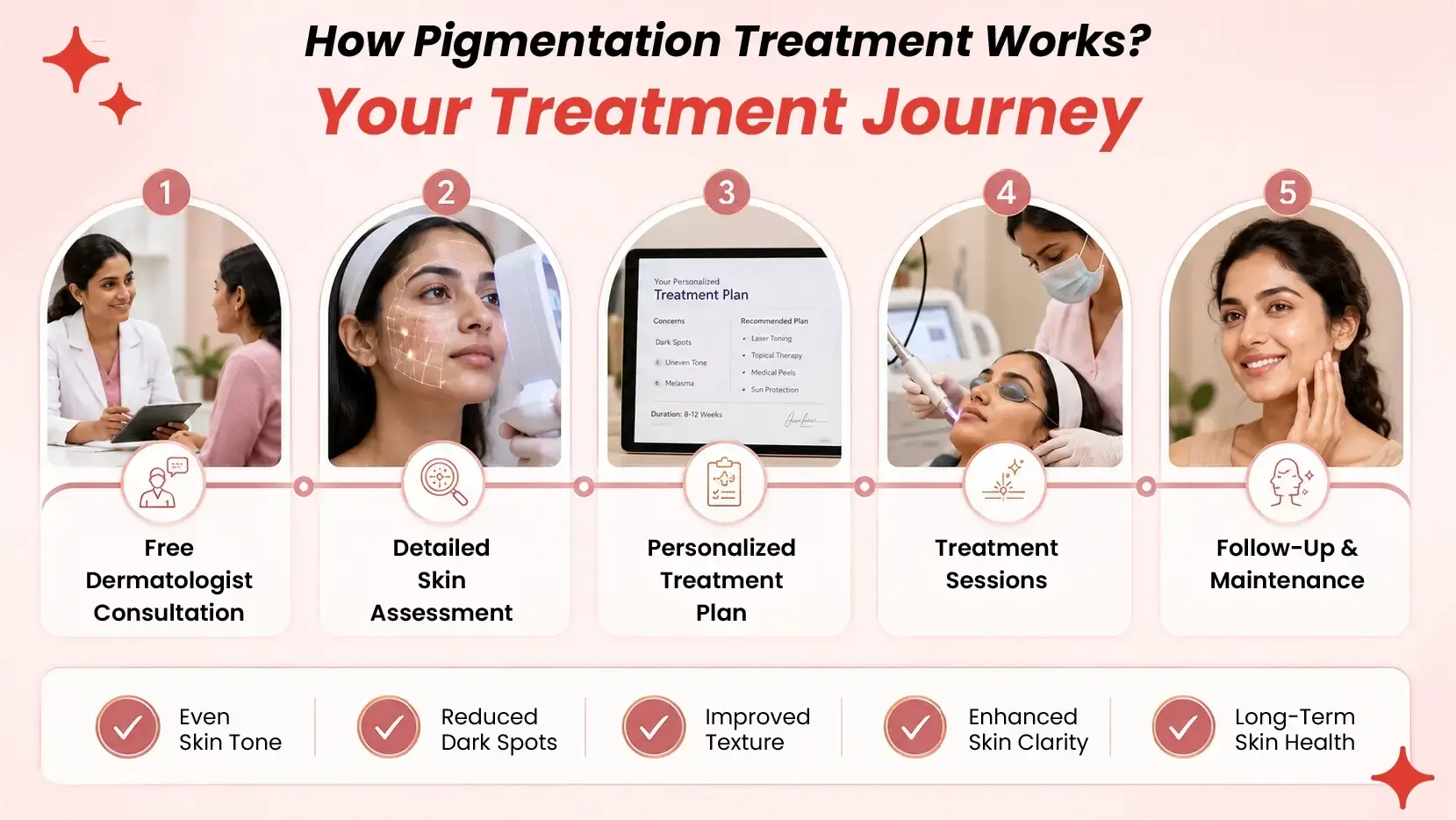
Pigmentation treatment reduces excess melanin using laser therapy, chemical peels, prescription skincare, or combination treatments chosen according to the type and depth of pigmentation. As every case is different, treating skin pigmentation on the face or body requires a personalized approach rather than a one-size-fits-all solution.
1. Free dermatologist consultation
A dermatologist consultation is the first step in treating pigmentation. During this appointment, your medical history, skincare routine, lifestyle, and pigmentation concerns are reviewed to understand what is skin pigmentation in your specific case and identify the likely triggers. This helps determine whether the pigmentation is caused by sun exposure, melasma, acne, hormones, aging, or another underlying factor.
2. Detailed skin assessment
After consultation, the dermatologist performs a detailed skin assessment to evaluate
- The type of pigmentation
- Whether the pigmentation is superficial or deep
- The affected areas
- Your skin type and sensitivity
- The severity and duration of the condition
A thorough diagnosis is important because different types of pigmentation respond differently to treatment. For example, melasma requires a different approach than post-acne pigmentation or sunspots.
3. Personalised treatment plan
Based on the assessment, the dermatologist creates a customized treatment plan designed for your skin. Depending on your condition, this may include the following:
- Laser toning
- Chemical peels
- HydraFacial or DermaFacials
- Medical-grade topical skincare
- A combination of treatments for more stubborn pigmentation
Along with in-clinic procedures, you will also receive guidance on pigmentation skin care, including daily sunscreen use and skincare products that support treatment results.
4. Treatment sessions
Most professional pigmentation treatments are performed over multiple sessions rather than in a single visit. During each session, the selected procedure works to gradually reduce excess melanin, encourage healthy skin cell turnover, and improve overall skin clarity.
The number of sessions depends on factors such as the following:
- The type of pigmentation
- Its depth and severity
- Your skin type
- How your skin responds to treatment
Because pigmentation fades gradually, visible improvement is usually seen over several weeks or months with consistent treatment.
5. Follow-up care and maintenance
Successful pigmentation management doesn't end after the treatment sessions. Follow-up appointments allow your dermatologist to monitor progress, adjust your treatment plan if needed, and minimize the chances of pigmentation returning.
Long-term maintenance typically includes:
- Daily broad-spectrum sunscreen
- A dermatologist-recommended skincare routine
- Regular follow-up visits when required
- Avoiding excessive sun exposure and known pigmentation triggers
Expert Insight from Dr. Priyanka Nath, Fellowship in Medical Cosmetology, says, "One of the most common misconceptions about pigmentation is that every dark spot can be treated the same way. In reality, effective treatment begins with identifying the underlying cause, whether it's sun damage, melasma, acne-related pigmentation, or hormonal changes.
A detailed skin assessment allows us to create a personalized treatment plan that combines the right in-clinic procedures with medical-grade skincare and daily sun protection. This approach not only helps improve existing pigmentation but also reduces the risk of it returning over time."
Benefits Of Pigmentation Treatment
Some of the benefits of pigmentation treatment are as follows:
- Even Skin Tone
One of the biggest benefits of skin treatment for pigmentation is achieving an even skin tone. With skin treatment for pigmentation, you can get a uniform complexion and a more balanced look. These professional skin treatments target areas with excess melanin while preserving the surrounding skin, helping reduce patchiness caused by melasma, sunspots, tanning, and post-inflammatory hyperpigmentation (PIH).
- Reduced Appearance Of Dark Spots
Another benefit of pigmentation treatments is that they help fade stubborn dark spots caused by acne, UV exposure, aging, and skin inflammation. Depending on the type and depth of pigmentation, dermatologists may recommend topical medications, chemical peels, laser therapy, or other targeted procedures to break down excess pigment gradually. While results vary from person to person, regular treatment can significantly reduce the visibility of existing pigmentation and help prevent new spots from forming.
- Improved Skin Texture
Many professional skin pigmentation treatments also promote healthy skin cell turnover and collagen production. As damaged surface cells are replaced with newer ones, the skin often feels smoother and looks more refined.
This is one of the lesser-known skin treatment benefits, as patients frequently notice improvements in overall skin texture alongside fading pigmentation.
- Enhanced Skin Clarity
With professional skin pigmentation treatment, you can notice a reduction in uneven skin tone as the treatment helps to support the natural skin renewal process; pigmentation treatments help restore overall skin clarity. The complexion appears fresher, healthier, and more radiant, with fewer visible blemishes and discoloration.
- Long-Term Skin Health Support
Professional pigmentation treatment goes beyond improving visible dark spots. A dermatologist identifies the underlying cause of pigmentation and creates a personalized treatment plan that helps manage recurring concerns such as melasma, sun-induced pigmentation, or acne marks.
How Much Does Pigmentation Treatment Cost?
The cost of pigmentation treatment starts between ₹2,000 and ₹15,000 per session and varies depending on the type of pigmentation, the treatment recommended, and the number of sessions required. Since every case is unique, a dermatologist will first assess your skin before creating a personalized treatment plan and providing an accurate cost estimate.
Cost Of Different Types Of Skin Pigmentation Treatment
The factors that influence the cost of pigmentation treatment:
- Type of pigmentation: Pigmentation types like melasma, post-inflammatory hyperpigmentation (PIH), sunspots, or age spots require different treatment approaches, which can affect the overall cost.
- Treatment selected: The cost varies depending on whether your dermatologist recommends medical-grade skincare, chemical peels, laser toning, or a combination of treatments.
- Number of sessions required: Most pigmentation concerns improve gradually over multiple sessions. Deeper or more stubborn pigmentation typically requires more treatments than superficial pigmentation.
- Extent of the treatment area: Treating pigmentation across the full face, neck, hands, or multiple body areas generally costs more than treating a few isolated spots.
- Severity and Depth of pigmentation: Deeper pigmentation often requires more advanced procedures and longer treatment plans, which can increase the total investment.
Get Your Personalized Pigmentation Treatment Cost Estimate with MakeO!
Why Choose MakeO for Pigmentation Treatment?
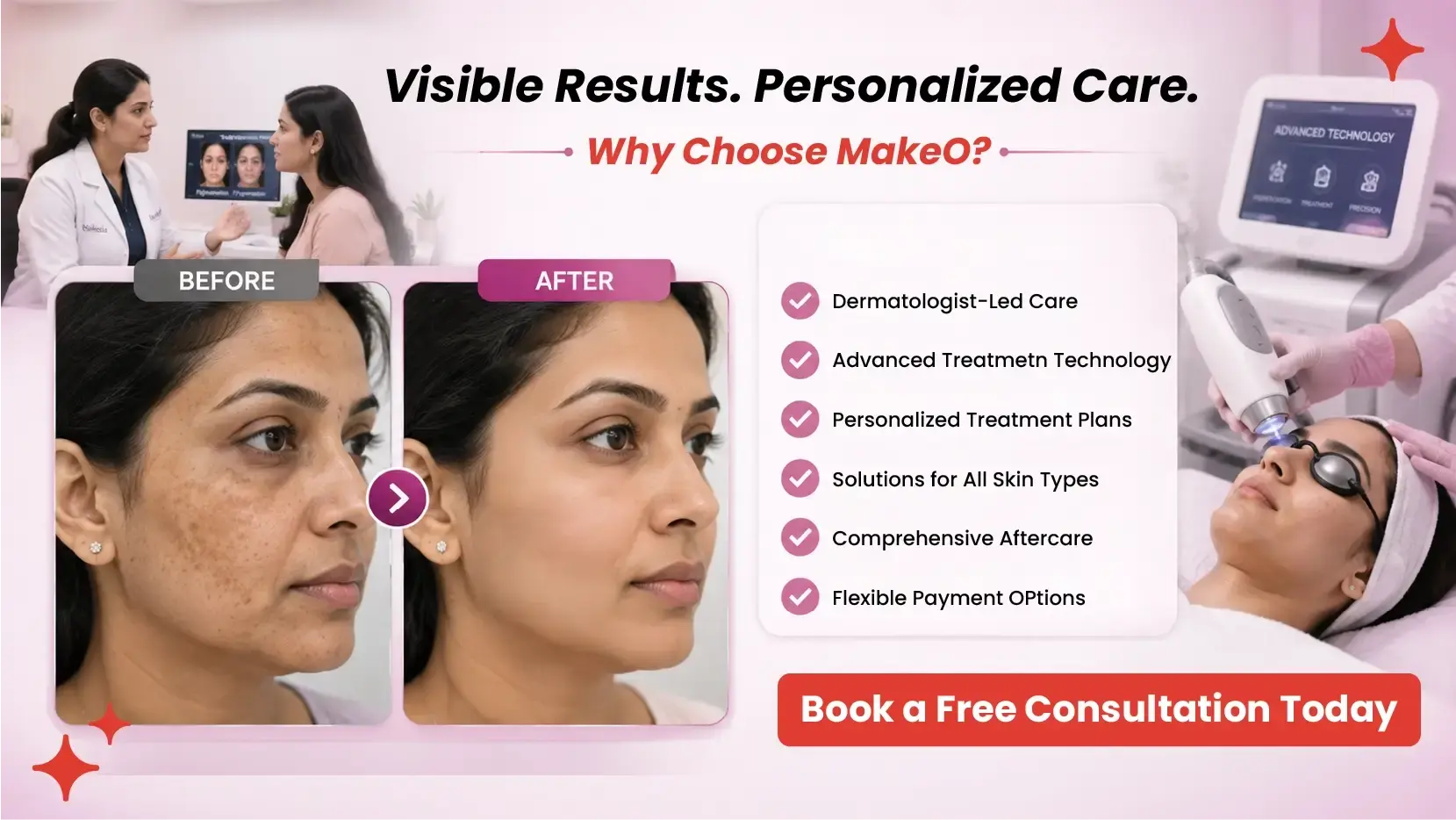
If you are looking for how to treat skin pigmentation, then choose the right skin care clinic that provides the best professional skin pigmentation treatment. It is right here. Here’s what sets MakeO apart:
- Dermatologist-led care: Every treatment plan begins with a consultation and skin assessment by qualified dermatologists to identify the underlying cause of skin pigmentation on the face or body before recommending treatment.
- Personalized treatment plans: No two pigmentation concerns are the same. Whether it's melasma, post-acne pigmentation, sunspots, or uneven skin tone, treatment is tailored to your skin type, pigmentation depth, and goals.
- Advanced technology: MakeO offers clinically backed pigmentation treatments, including laser toning, chemical peels, HydraFacial, and DermaFacials, using modern technologies and evidence-based protocols.
- Personalised Skin treatment solutions for different skin types: Along with in-clinic procedures, dermatologists recommend customized pigmentation skin care routines featuring medical-grade products to support treatment results and help minimize recurrence.
- Focus on long-term skin health: Instead of only treating visible dark spots, MakeO aims to address the underlying causes of skin pigmentation, helping maintain clearer, healthier-looking skin over time.
- Comprehensive aftercare support: Progress is monitored through follow-up consultations, with adjustments to your treatment and skincare routine when needed to achieve the best possible outcomes.
- Flexible payment options: With convenient EMI plans and flexible payment options, MakeO makes professional pigmentation treatments more accessible without compromising on the quality of care.
Frequently Asked Questions
Can pigmentation be removed permanently?
Yes. Pigmentation can be removed permanently. It depends on the type and cause of pigmentation. Some forms of skin pigmentation, such as post-inflammatory hyperpigmentation (PIH) caused by acne, can fade significantly with the right skin pigmentation treatment. However, conditions like melasma are chronic and may recur due to sun exposure or hormonal changes. While treatment can dramatically reduce pigmentation, maintaining the results requires consistent sun protection, a dermatologist-recommended pigmentation skin care routine, and regular follow-ups.
Which treatment is best for melasma?
There is no single best treatment for melasma. Dermatologists recommend a combination of treatments, including laser toning, prescription topical medications, chemical peels, and daily sunscreen. The most effective pigmentation treatment depends on your skin type, the depth of pigmentation, and your medical history.
How many sessions are usually required?
Most skin pigmentation treatments require multiple sessions because pigmentation fades gradually. Mild pigmentation may improve within 3 to 4 sessions, while deeper pigmentation such as melasma or long-standing sunspots may require 6 or more. Your dermatologist will recommend the number of sessions after assessing the type and severity of your skin pigmentation on the face or body.
Is laser treatment safe for different skin types?
Yes. Modern laser toning is considered safe for most skin types when performed by experienced dermatologists using the appropriate laser settings. Before starting treatment, your dermatologist evaluates your skin type, pigmentation depth, and medical history to minimize the risk of complications and ensure the treatment is suitable for you.
Are there any side effects?
No, there are no side effects after pigmentation treatment. Most pigmentation treatments have minimal downtime when performed under professional supervision. Depending on the treatment, you may experience temporary redness, mild swelling, dryness, or peeling for a few days. Following your dermatologist's aftercare instructions, using sunscreen daily, and maintaining a proper pigmentation skincare routine help support healing and reduce the risk of side effects.
When can I expect to see results?
The timeline varies depending on the type of pigmentation and the treatment used. Some people notice brighter, clearer skin after the first few sessions, while stubborn pigmentation like melasma often takes several weeks or months to improve. Consistency with treatment sessions, skincare, and sun protection is essential for achieving the best results.
Can pigmentation return after treatment?
Yes. Some forms of pigmentation, particularly melasma, can return if the underlying triggers remain. Sun exposure, hormonal fluctuations, inflammation, or stopping your skincare routine may cause pigmentation to recur. Long-term maintenance, including sunscreen, medical-grade skincare, and regular dermatologist follow-ups, helps minimize recurrence.
How can I prevent pigmentation from recurring?
Preventing pigmentation involves protecting your skin every day. Dermatologists recommend:
- Applying a broad-spectrum sunscreen with SPF 30 or higher every day.
- Reapplying sunscreen every 2 to 3 hours when outdoors.
- Wearing hats and seeking shade during peak sunlight hours.
- Following a dermatologist-prescribed pigmentation skin care routine.
- Treating acne, eczema, or skin injuries early to reduce the risk of post-inflammatory pigmentation.
- Avoiding unnecessary picking or irritation of the skin.
How to remove pigmentation in 7 days?
No. You cannot remove pigmentation in 7days. There is no medically proven way to completely remove pigmentation on the face in seven days. While some skincare products may temporarily brighten the skin, most pigmentation treatments require several weeks or multiple sessions to show noticeable improvement.
How do I remove skin pigmentation naturally?
There is limited scientific evidence that natural remedies can remove skin pigmentation effectively. Ingredients such as aloe vera, licorice extract, or vitamin C may support brighter-looking skin, but they are unlikely to treat moderate or severe pigmentation on their own. If you're researching how to use licorice powder for skin pigmentation, it's important to know that most evidence supports standardized licorice extracts in formulated skincare rather than homemade powders. Persistent pigmentation should always be evaluated by a dermatologist.
Can vitamin C remove pigmentation?
Yes. Vitamin C can help reduce mild skin pigmentation by inhibiting melanin production and protecting the skin from free radical damage. It is effective for post-acne marks, sunspots, and uneven skin tone when used consistently. However, vitamin C alone may not be enough for deeper pigmentation such as melasma. In such cases, you must consult a dermatologist, who often recommends combining vitamin C with professional skin pigmentation treatment, prescrips skincare products, or procedures like laser toning or chemical peels.
Which is better: Kojic acid or Vitamin C?
Neither ingredient is universally better. Vitamin C and Kojic acid work differently and are often used together. Kojic acid directly inhibits melanin production and is generally more effective for treating stubborn pigmentation and dark spots. Vitamin C brightens the skin, provides antioxidant protection, and helps prevent new pigmentation caused by UV exposure. For moderate to severe pigmentation, dermatologists may recommend a combination of both ingredients as part of a personalized treatment plan.
Which vitamin is best for removing pigmentation?
Vitamin C is the most recommended vitamin for reducing pigmentation. It helps brighten the skin, reduces excess melanin production, and protects against sun-induced pigmentation. Other vitamins, such as Vitamin A (retinoids) and Vitamin E, may also support skin renewal and improve the effectiveness of a pigmentation skincare routine. The best option depends on the cause and severity of your pigmentation.
Is kojic acid better than vitamin C for pigmentation?
For treating existing dark spots and hyperpigmentation, kojic acid is considered more potent because it directly reduces melanin production. Vitamin C, on the other hand, is excellent for preventing new pigmentation, improving skin brightness, and protecting against environmental damage. Many dermatologist-formulated pigmentation creams and serums combine both ingredients because they complement each other and often deliver better results than using either ingredient alone.