

How to Clean Your Retainer Without Damaging It – Complete Guide

MDS - Orthodontics, a senior dental specialist with 25 years of focused clinical expertise in orthodontics known for delivering high-precision results.
Updated on April 8, 2026
Wow, you have finally achieved your dream smile, and finally, your orthodontic journey is completed - but here’s the catch, which nobody tells you about. Keeping that perfect smile isn't just about wearing your dental retainer; it's about keeping it clean.
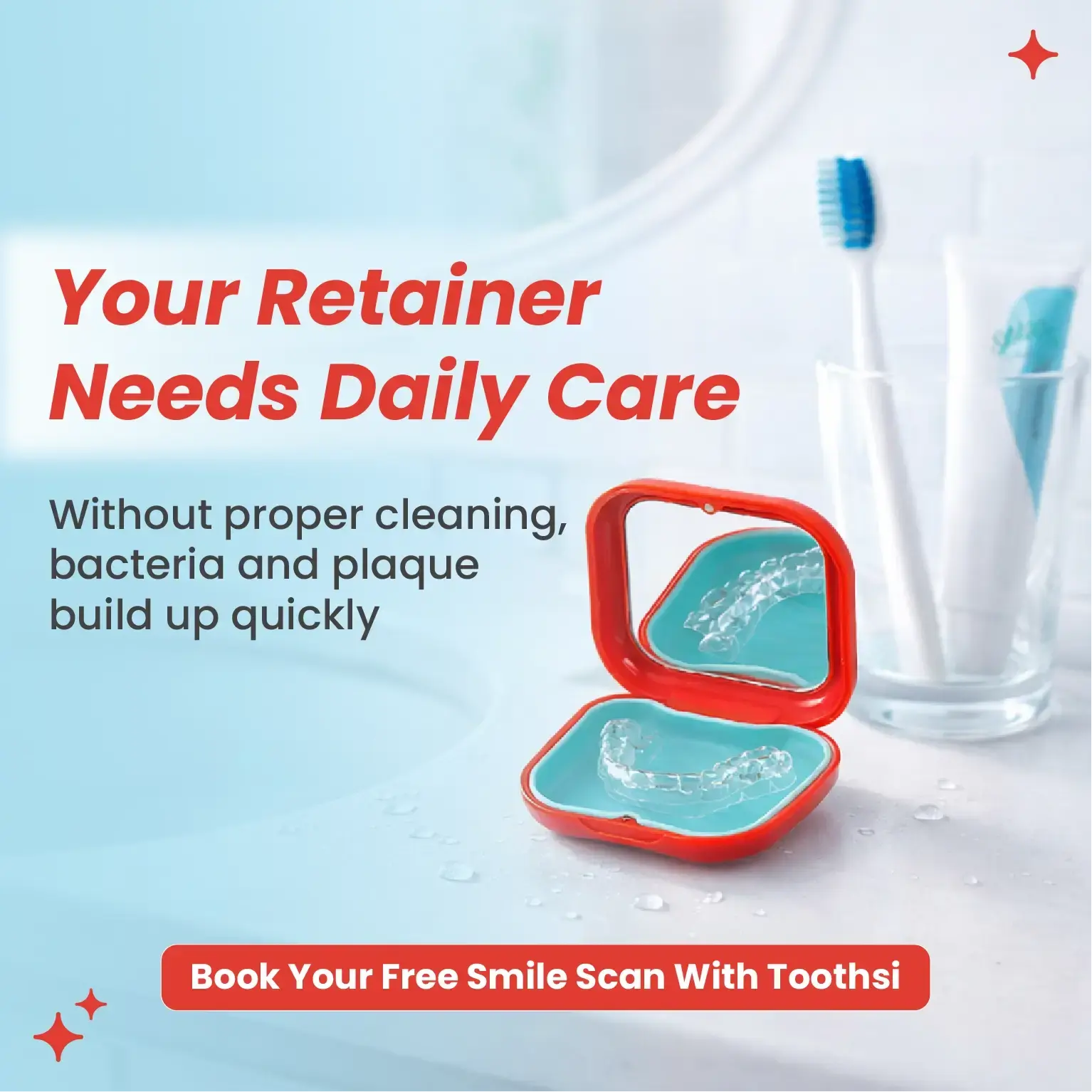
Your retainer works hard to maintain your straight teeth, but without proper care, it can quickly become a breeding ground for bacteria, develop a funky smell, or even get damaged beyond repair.

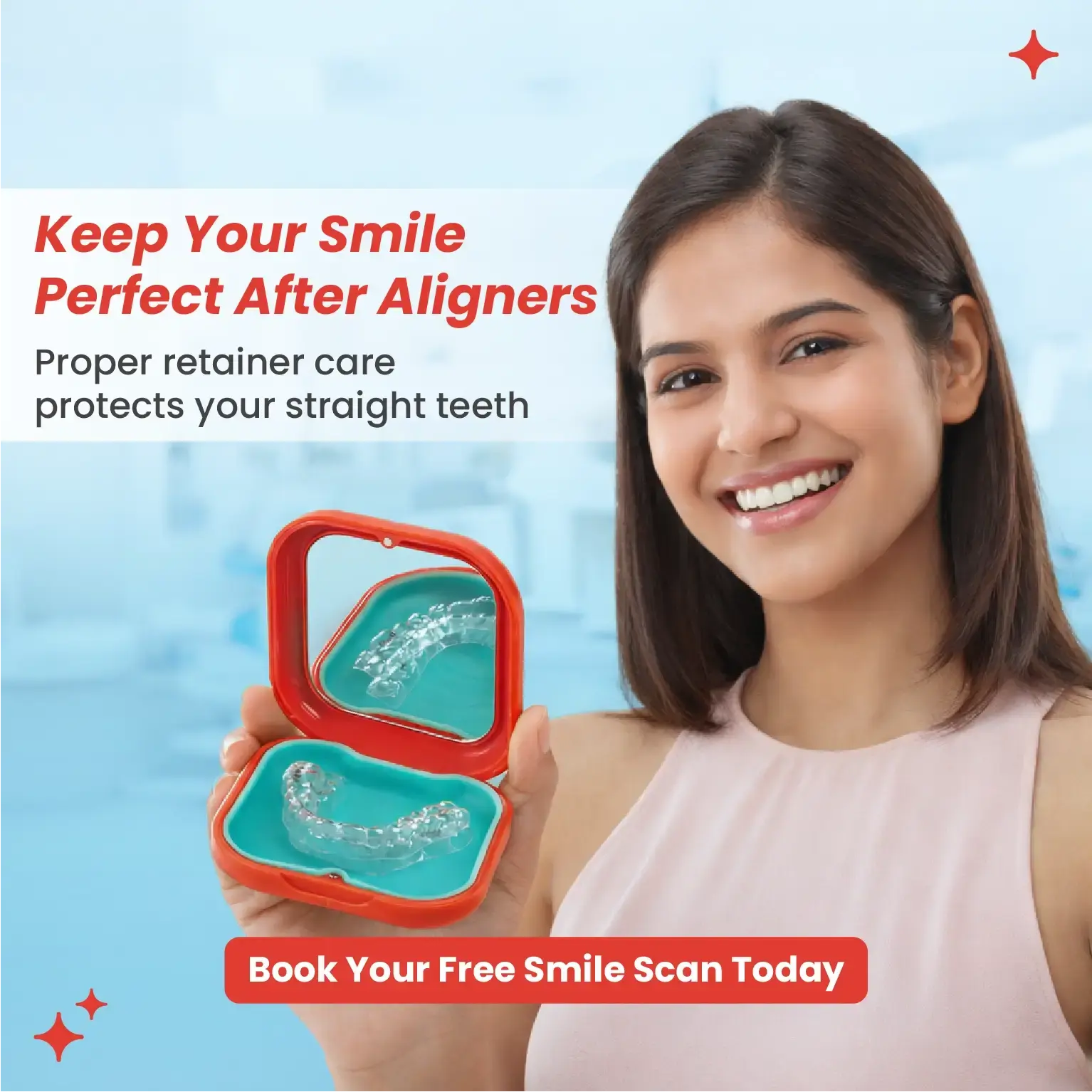
At Toothsi, we understand that your retainer is an essential part of your oral health routine. It's not just about aesthetics; yes, a dirty retainer can lead to gum disease, tooth decay, bad breath, and expensive replacements.
The good news is that proper retainer care doesn't have to be complicated or time-consuming. With the right techniques and products, you can keep your Clear Retainer sparkling, your fixed retainer bacteria-free, and your smile healthy for years to come.
In this complete guide, we will help you understand the retainer cleaning from daily maintenance to deep-cleaning methods, common mistakes that damage your retainers, and the best products to use (plus natural alternatives).
Whether you just got your retainer yesterday or you've been wearing one for years, this guide will help you protect your investment and keep your smile looking its best. Let's dive into the dos and don'ts of retainer care so you can avoid the pitfalls and maintain excellent oral hygiene without damaging your retainer in the process.
Book Your Free Smile Scan with Toothsi Today!
Why Cleaning Your Retainer the Right Way Matters
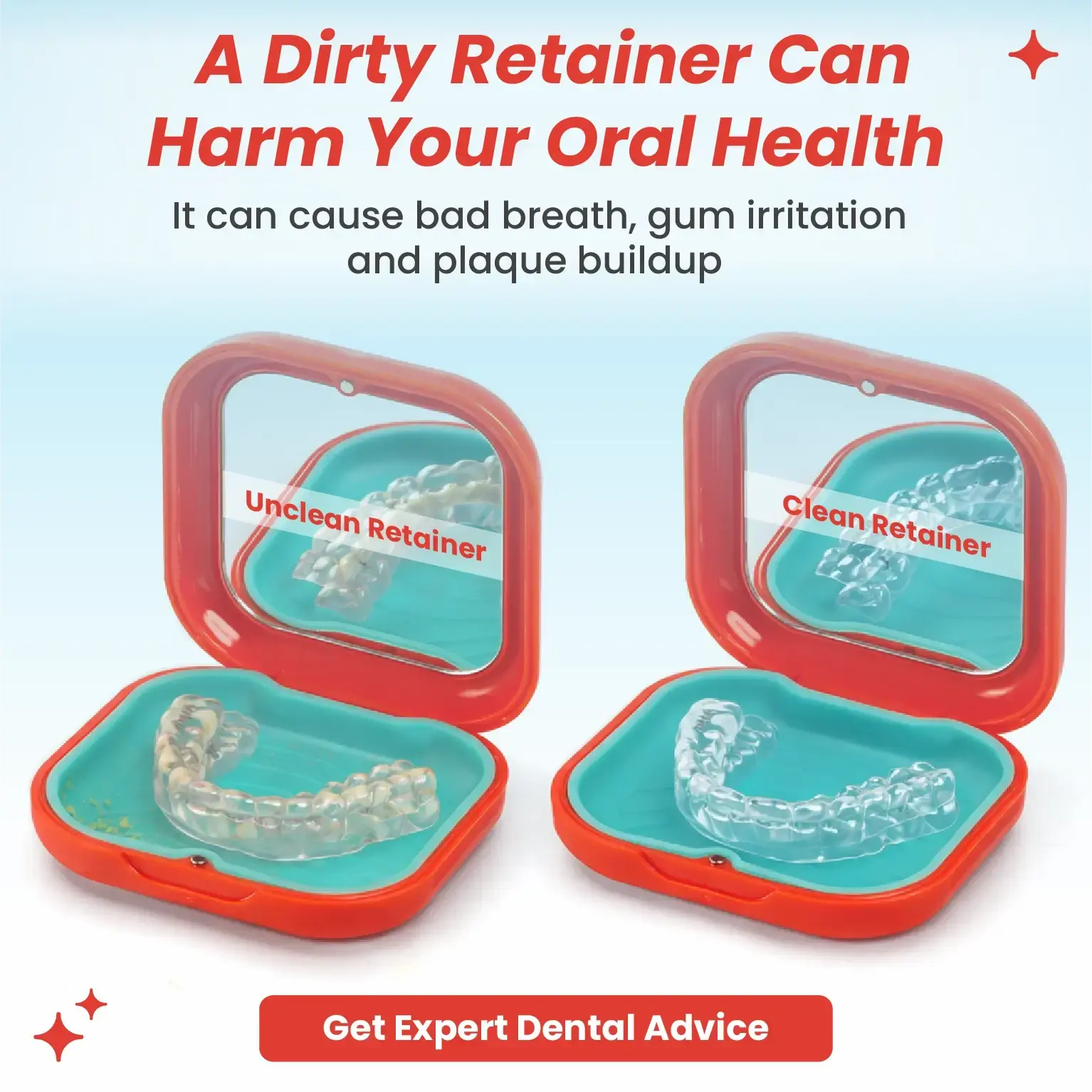
When you choose a Teeth Retainer , you are investing in your smile and improving your oral health.
But many people don't realize how important it is to take care of their retainer, which can directly affect their oral health, breath, and overall well-being.
What Happens When You Don’t Clean It
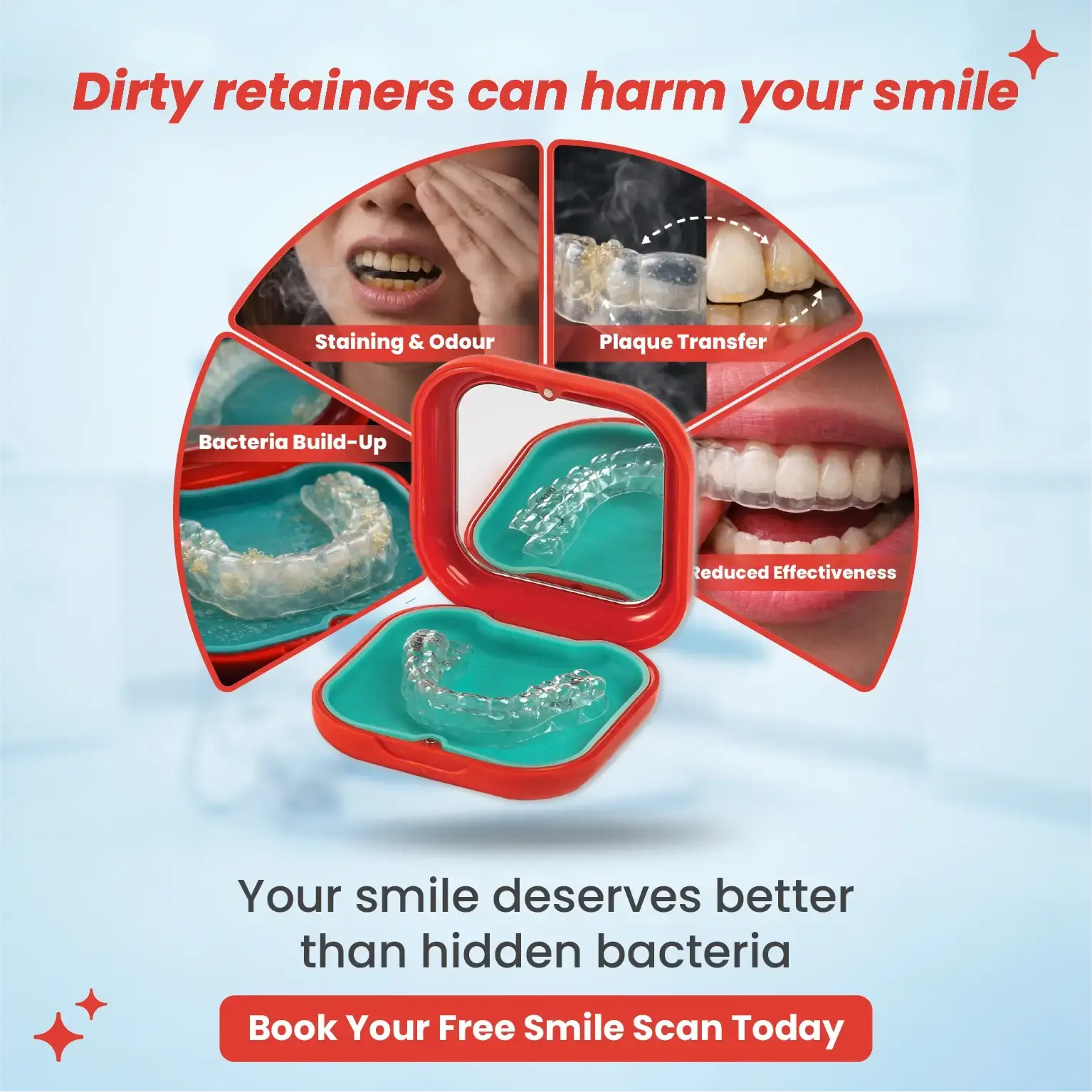
Understandably, life is busy, and so we are - maybe we have skipped the time to clean our retainers, thinking it's no big deal, but neglecting your retainer cleaning routine is like welcoming problems in your life. Skip cleaning your retainer for even a day or two, and bacteria start throwing a party in your mouth. Within hours, saliva, food particles, and dead cells build up on your Clear Retainer, forming a slimy film of plaque.
If you don't clean it regularly, that plaque hardens into crusty tartar that you can't brush away at home.
The result? Your once Clear Retainer turns cloudy and yellow and develops dark spots. They start to smell bad; that's literally the odor of bacterial waste.

The texture becomes slimy or gritty against your tongue, which is as unpleasant as it sounds. For permanent retainers and fixed retainers, bacteria and debris get trapped around the bonded wire on the back of your teeth, where you can't easily see the buildup happening. Over time, all this bacterial accumulation corrodes your retainer material, causing it to crack, warp, or break down completely.
Still not sure, what to do? Talk to an expert or visit your nearest dental clinic today!
How Dirty Retainers Affect Your Teeth & Gums
Here's the serious part: every time you pop a dirty retainer into your mouth, you are coating your teeth and gums with concentrated bacteria. It's like brushing your teeth and then immediately rubbing them with a dirty sponge. Your gums suffer first; yes, bacteria from your unclean Clear Retainer irritate gum tissue, causing redness, swelling, and bleeding, the early signs of gum disease (gingivitis).
Your teeth are next. Bacteria produce acids that eat away at Tooth Enamel, creating cavities right where your retainer contacts your teeth.
White spots appear first warning signs of decay that quickly progress into holes requiring fillings. With a fixed retainer, cavities often form along the gum line behind your front teeth, hidden until they become painful.
Then there's your breath. Chronic bad breath from a dirty retainer doesn't go away with mints or gum because the source of the smell stays in your mouth. The bacteria produce sulfur compounds that smell like rotten eggs, affecting your confidence in every conversation.
So the bottom line is spending just two to three minutes daily cleaning your retainer protects your teeth, gums, breath, and overall health. Those few minutes are a small investment that prevents expensive dental bills, embarrassing odors, and serious health problems down the road. Your smile deserves better than a bacteria-covered retainer.
How to Clean Retainer: Products to Use & Safe Alternatives
Now that you have learned about what retainers are, how you can use them and avoid using certain elements that can cause damage to your retainer, let's learn about the products that you can use to clean your retainers.
Mild cleansers
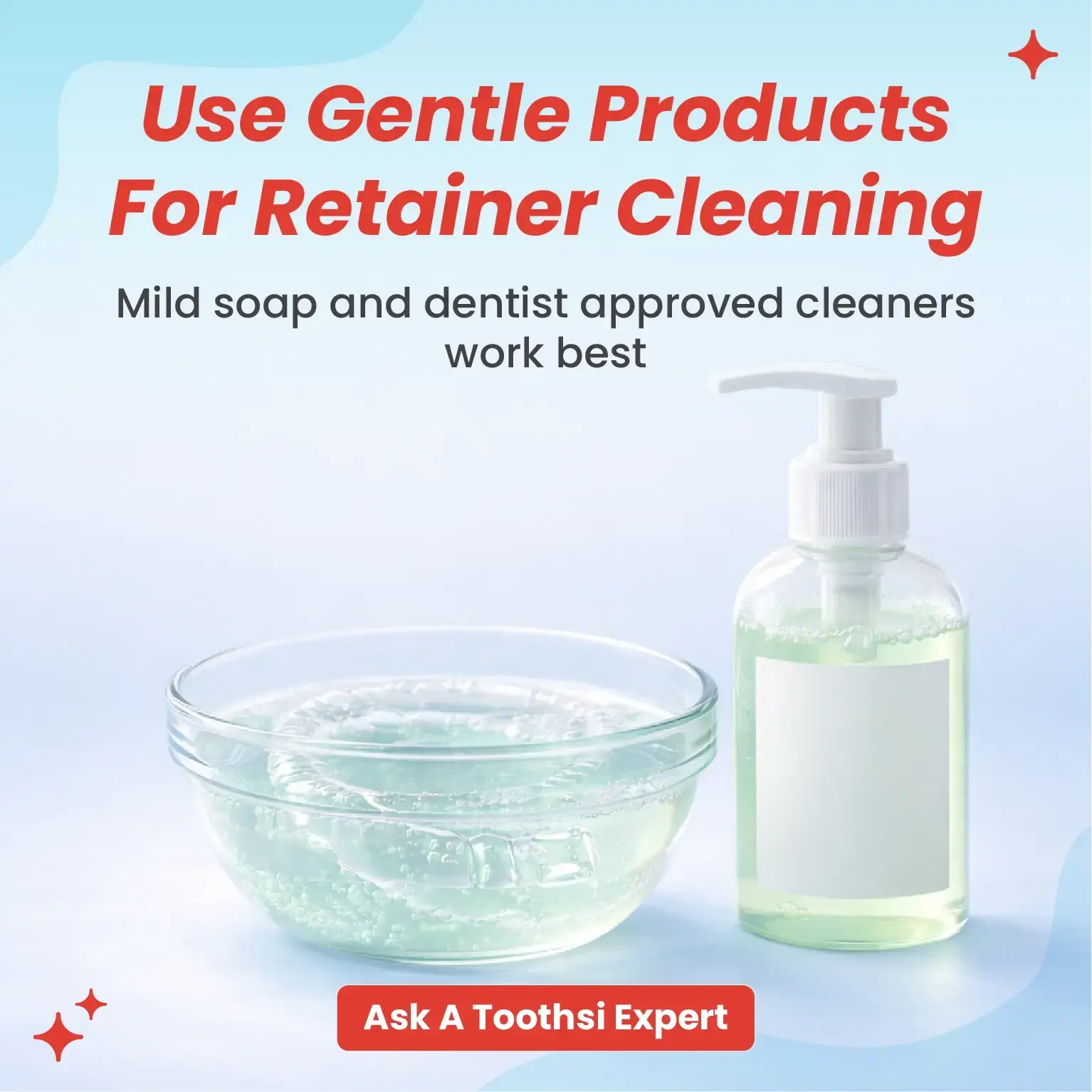
Your kitchen sink holds one of the best cleaning agents for your retainers, yes, a gentle dish soap. Yes, really! A small drop of clear, fragrance-free dish soap mixed with lukewarm water works wonders on the Clear Retainer without causing any damage.
The key is choosing a mild formula, nothing with heavy perfumes, dyes, or grease-cutting additives.
Another gentle option is unscented soap, which is plant-based and incredibly mild. It cleans effectively while being kind to the delicate plastic of your retainer.
For a permanent retainer or fixed retainer, you can use your regular toothpaste since the metal wire is more durable. Just make sure to get under and around the wire with floss threaders or interdental brushes to remove trapped food particles.
Dentist-approved solutions
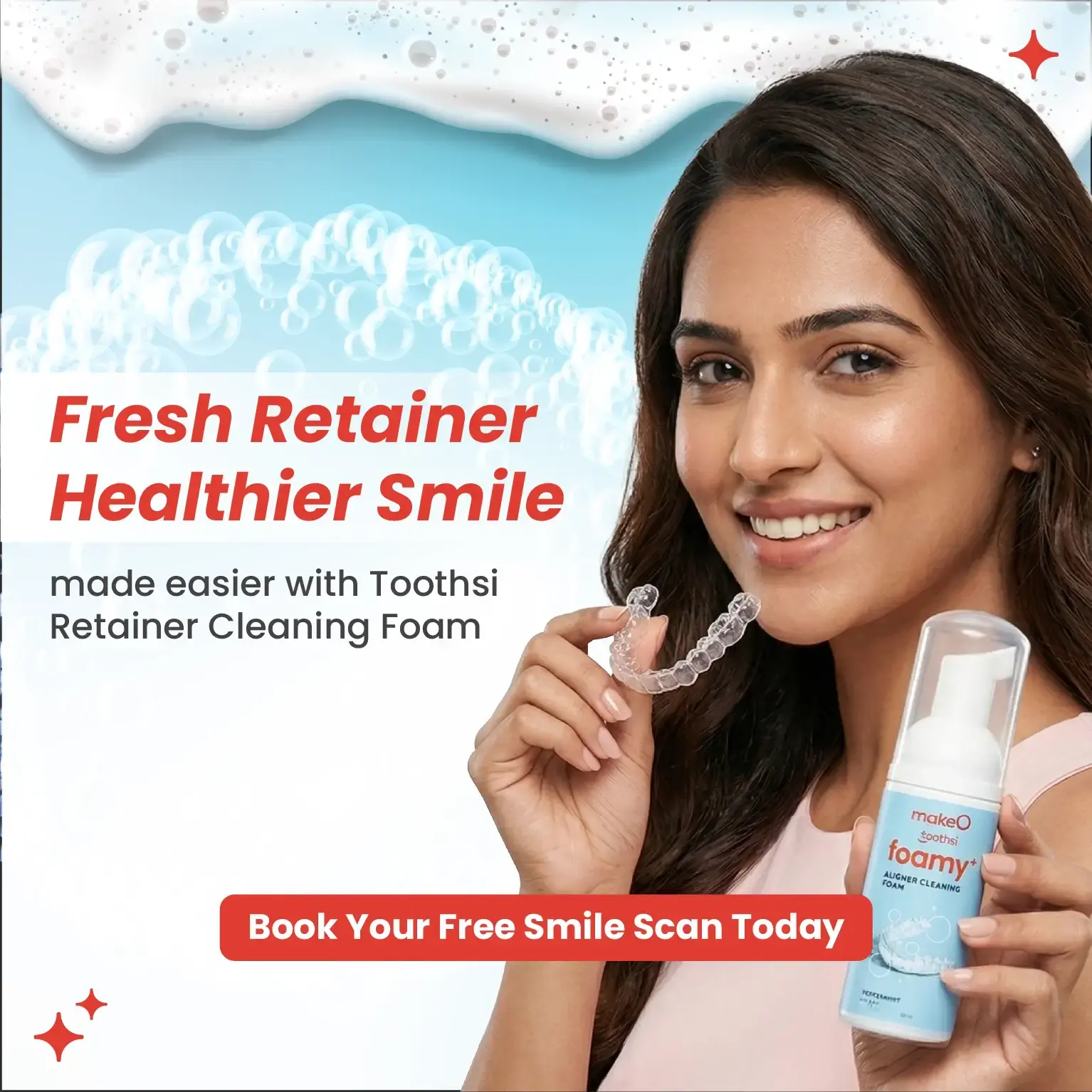
When it comes to deep cleaning, dentist-approved retainer cleaning foam is your best friend. These effervescent tablets are formulated for retainers and other orthodontic appliances, so they won't damage your Clear Retainer the way household cleaners might. Contact your orthodontist to get the best solution for cleaning the retainer.
Natural cleaning methods
If you don’t like the other methods of cleaning retainers, you can ditch them and use natural cleaning solutions, such as white vinegar, which is the best cleaning solution for retainer cleaning. The acidity of vinegar naturally dissolves mineral deposits and kills bacteria without damaging the Clear Retainer. After soaking, gently brush with a soft toothbrush and rinse thoroughly.
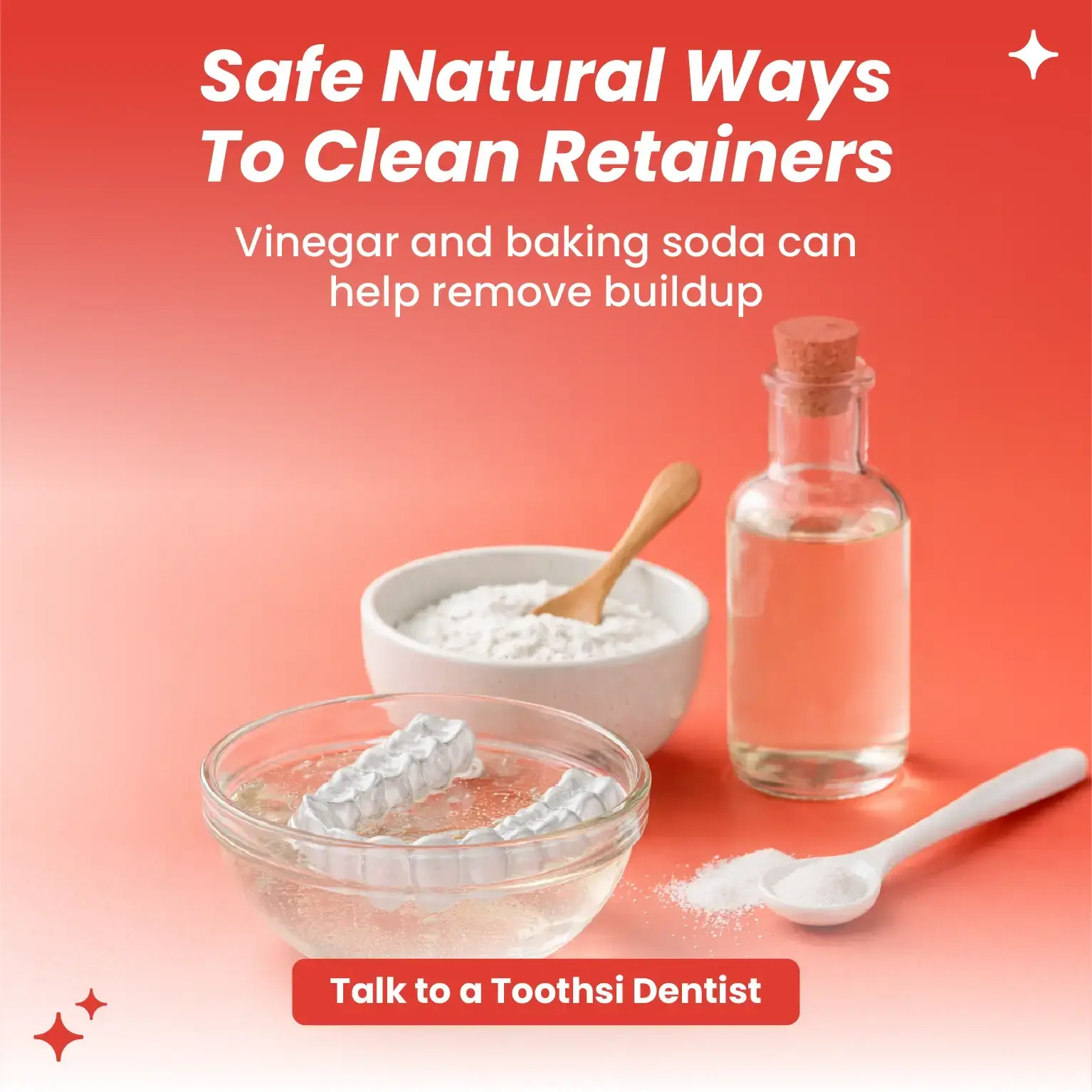
Baking soda is yet another natural solution for retainer care. Simply form a paste by mixing two teaspoons of baking soda and water, and form a thick paste. Use that paste to gently scrub your retainer. These natural methods work beautifully for removable retainers, but what about permanent retainers or fixed retainers?
Since you can't remove these to soak them, focus on thorough daily brushing around the wire and regular flossing with a floss threader or water flosser. Rinsing your mouth with a diluted hydrogen peroxide solution (mixed with water) can help keep the area around your fixed retainer clean between dental visits.
The bottom line is you don't need a cabinet full of expensive products to maintain a healthy retainer. Simple, safe ingredients that you already have at home, combined with consistency and gentle care, will keep your retainer clean, clear, and functioning perfectly for years to come.
Begin your smile transformation today with our expert dentist at Toothsi!
Cleaning Mistakes That Damage Retainer
Now you might understand how important it is to clean your retainer, as proper care extends its lifespan and protects your orthodontic investment. However, there are times when you are unknowingly damaging your retainer through some of the common cleaning mistakes. Here’s what you should avoid.
Cleaning retainer in Hot water
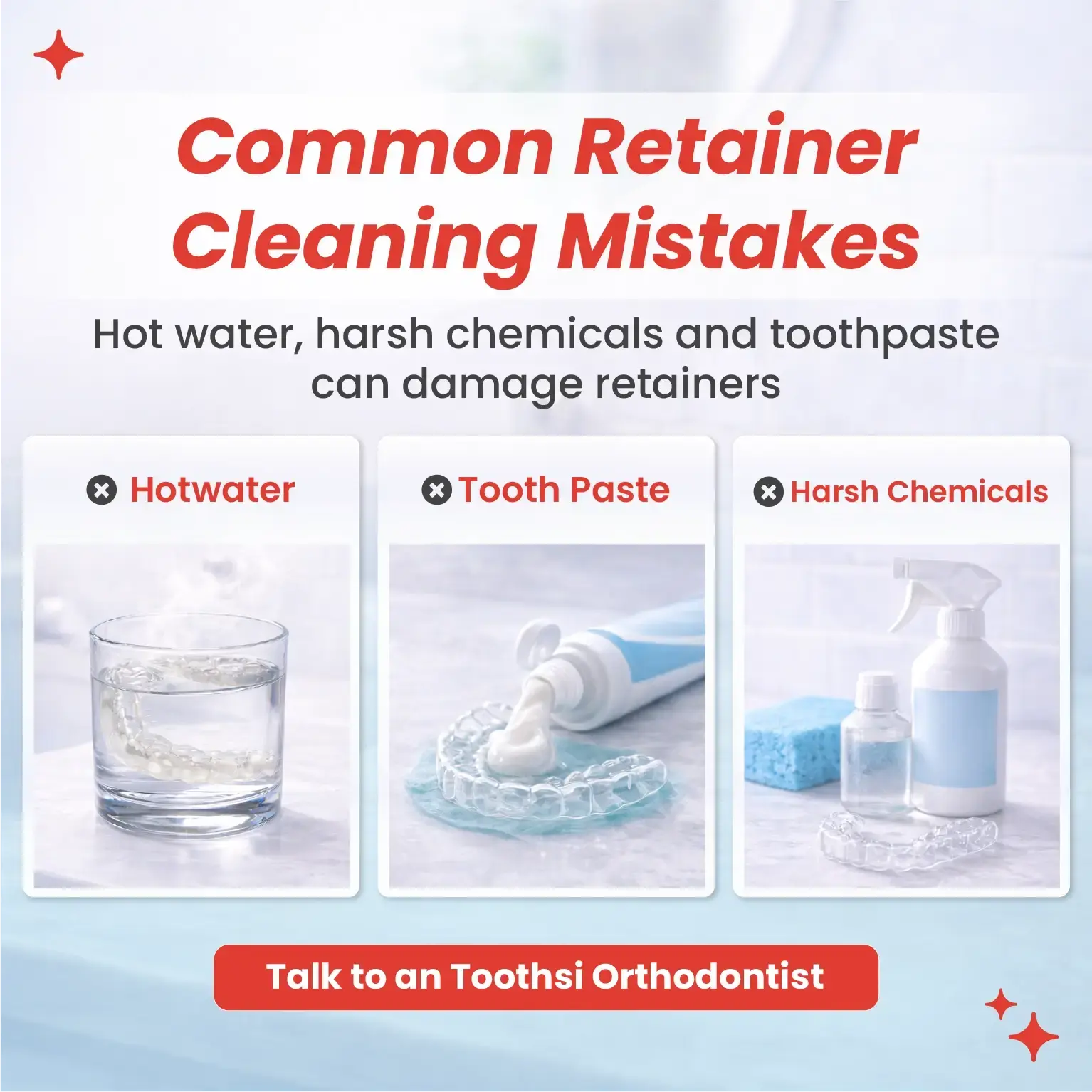
When you clean a retainer, you should avoid using hot or boiling water, as exposure to high temperatures can cause damage to the plastic material and lose its precise shape. Always use lukewarm or cool water when cleaning a retainer, as room-temperature water effectively removes debris without risking heat damage to the retainer structure.
This precaution applies primarily to removable retainers; permanent retainer or fixed retainers are made from metal wire bonded to your teeth, so they are unaffected by water temperature during normal oral hygiene.
Harsh Chemicals
Avoid using harsh chemicals to clean the Teeth Retainer, like disinfectant wipes, cleaners, mouthwash, and bleach-based products, as these chemicals can contain substances that can damage the plastics of Clear Retainer, leaving a toxic residue that can harm gums and teeth and create an unpleasant taste that transfers to your mouth.
Scrubbing Too Hard
Don't brush your retainer aggressively or use abrasive cleaning agents like toothpaste. While it seems logical to clean your retainer the same way you clean your teeth, toothpaste contains abrasive particles designed to polish Tooth Enamel, a much harder surface than retainer plastic. These abrasives scratch and dull Clear Retainer, creating microscopic grooves where bacteria, plaque, and stains accumulate.
Light pressure is sufficient to remove debris without damaging the material. Additionally, never leave your retainer out without storing it in its protective case. Exposed retainers dry out quickly, becoming brittle and more susceptible to cracking when handled.