

Removable vs. Fixed Braces: Which One Should You Choose?

MDS - Orthodontics, the Co-Founder & CEO of MakeO Toothsi. A certified lingual orthodontist with 15 years overall experience.
Updated on May 7, 2026

Remember that awkward “metal mouth” phase? The one where smiling in photos meant flashing a mouth full of wires? Ahhh, it might have felt like a rite of passage back then, but fast-forward to today, and things have changed entirely in the dental industry.
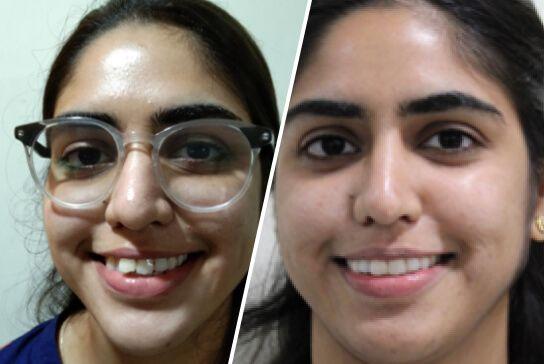
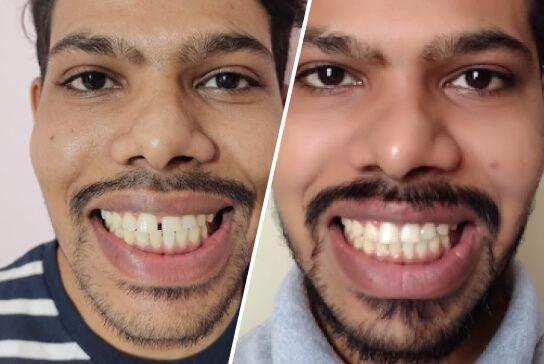
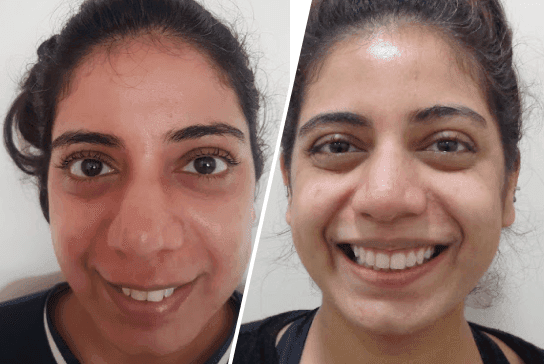
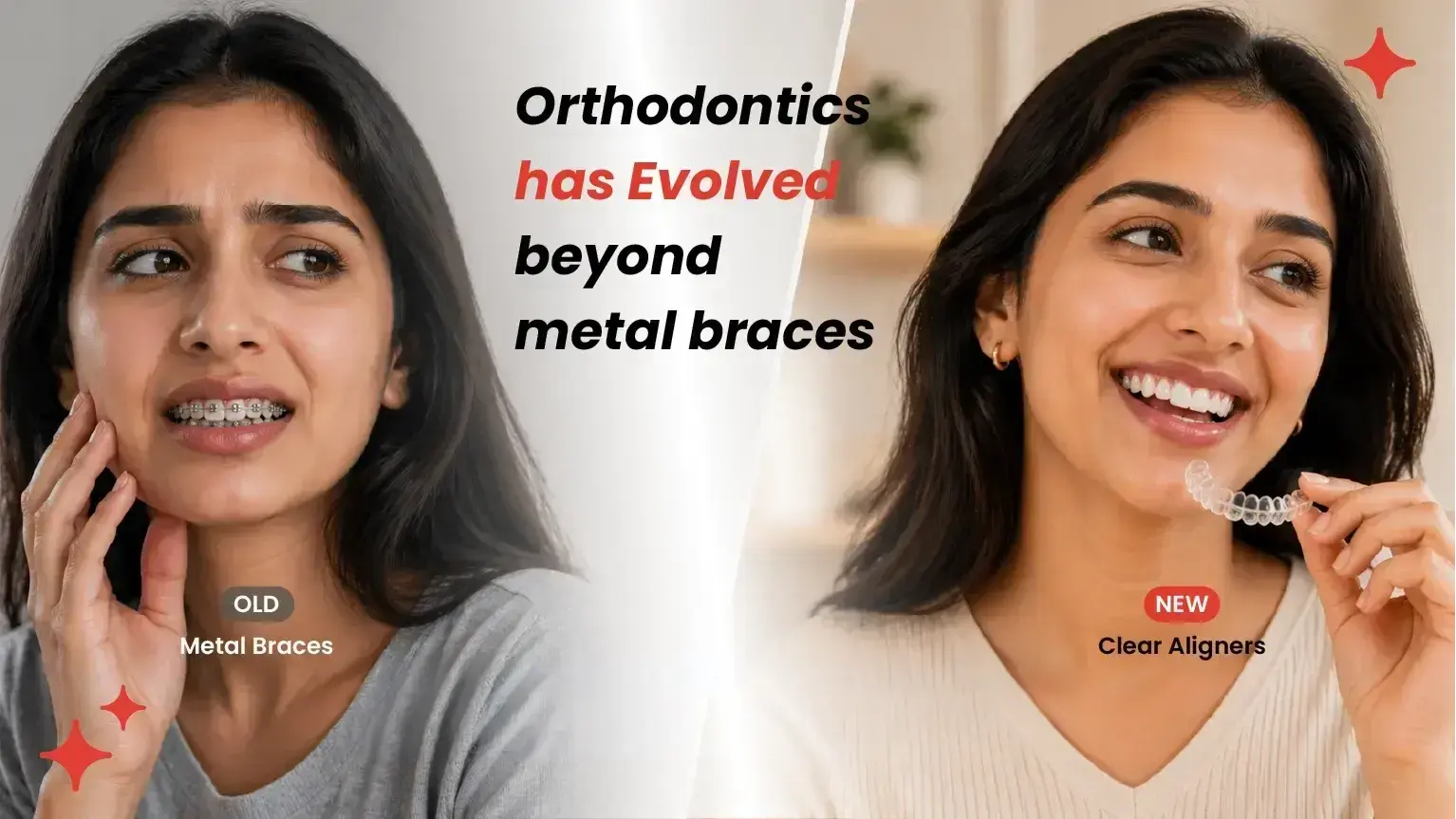
So, welcome to the era of removable braces, also known as invisible braces, where smile transformation no longer means compromising your confidence. Orthodontic treatment has evolved from bulky fixed braces to sleek, nearly invisible aligner solutions that fit effortlessly into adult lifestyles.
But here’s the real question: are removable braces always better than fixed braces?
So, if you’re trying to decide between the subtle appeal of teeth aligners and the proven effectiveness of fixed braces, consider the following factors. Clear aligners or teeth aligners often stand out as the preferred modern solution.
Don’t let confusion overburden you, talk to an orthodontist for free!
What are Removable Braces?
As the name suggests, both can be removed and worn again without professional assistance, making them convenient for daily use. Removable orthodontic options mainly include removable braces and invisible aligners.
Removable Braces: Types & How They Work

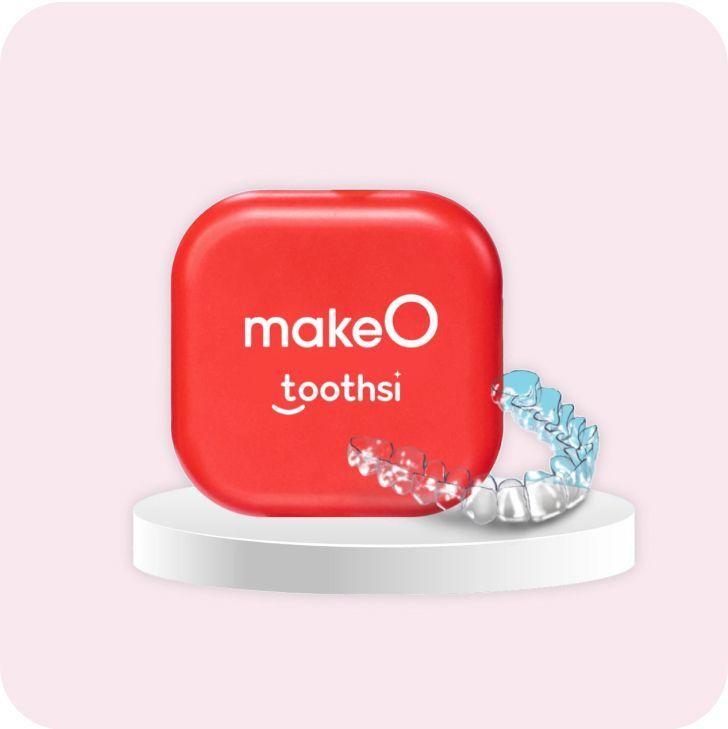
- Clear Aligners (Invisible Braces): Clear teeth aligners, commonly known as “removable braces” or “invisible braces," are custom-made, removable trays designed to gradually straighten teeth. These offer a discreet and comfortable alternative to traditional metal braces.
They are typically worn for 20 to 22 hours a day and can be removed while eating, drinking, brushing, or flossing. Depending on the complexity of the case, treatment with invisible aligners usually takes around 6 to 15 months (approx.). These removable braces are commonly used to treat the following:
- Mild, moderate and complex misalignment
- Gaps between teeth
- Crowding issues
- Removable Braces (traditional options): These are made of acrylic plates combined with stainless steel wires or springs. The dentist adjusts these wires periodically to apply pressure and guide teeth into the correct position.
- Best for: minor corrections like spacing, crowding, or crossbite
- Work by pushing or pulling teeth using activated springs
- Suitable for: teenagers and adults (less ideal for young children due to handling concerns)
What Are Fixed Braces?
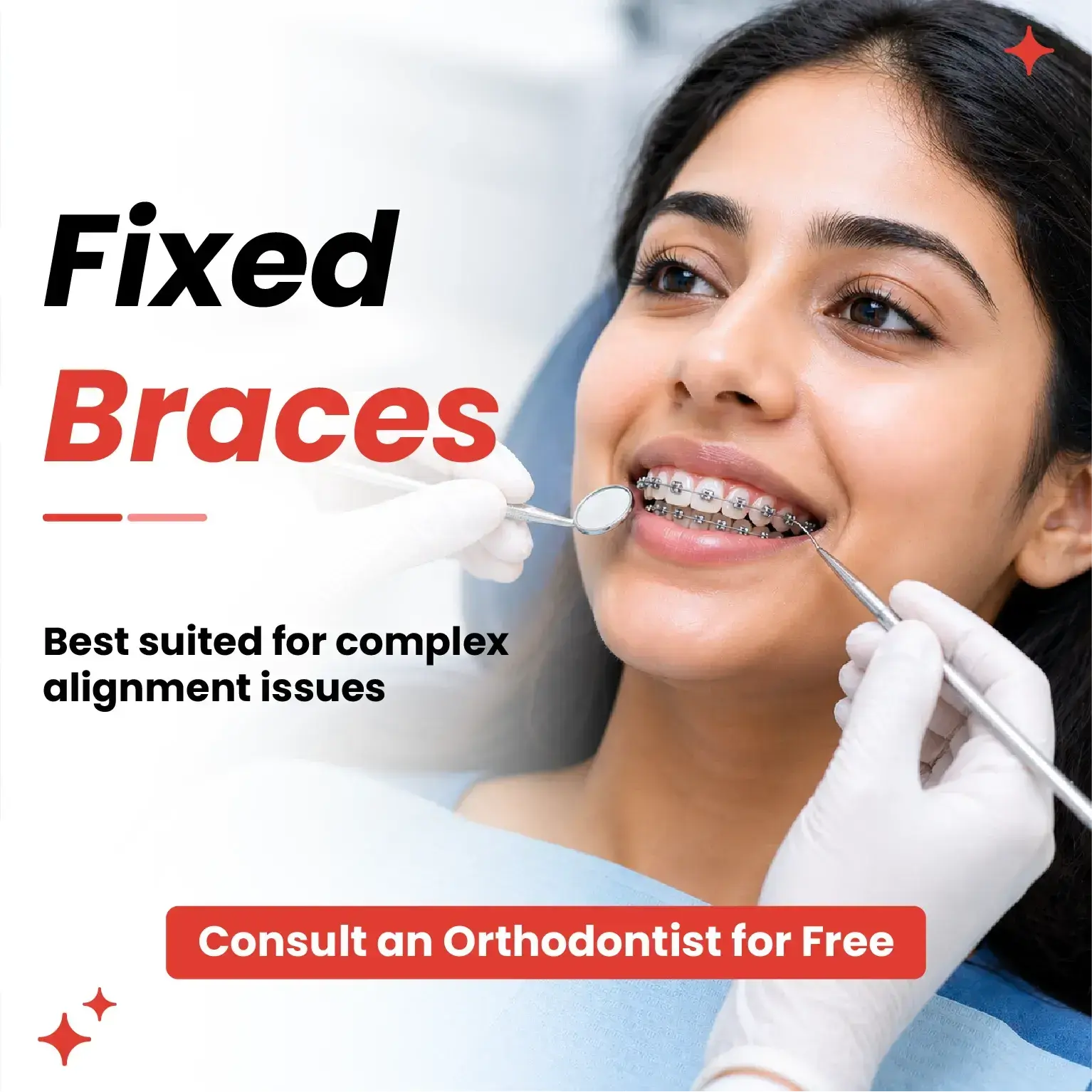
Fixed braces or traditional braces are orthodontic solutions designed to straighten misaligned teeth. They are built with brackets and bonded to the teeth, which are then connected with a thin wire that gradually helps straighten them.
Fixed braces are non-removable and effective in managing complex to severe dental issues.
What are the Types of Fixed Braces?
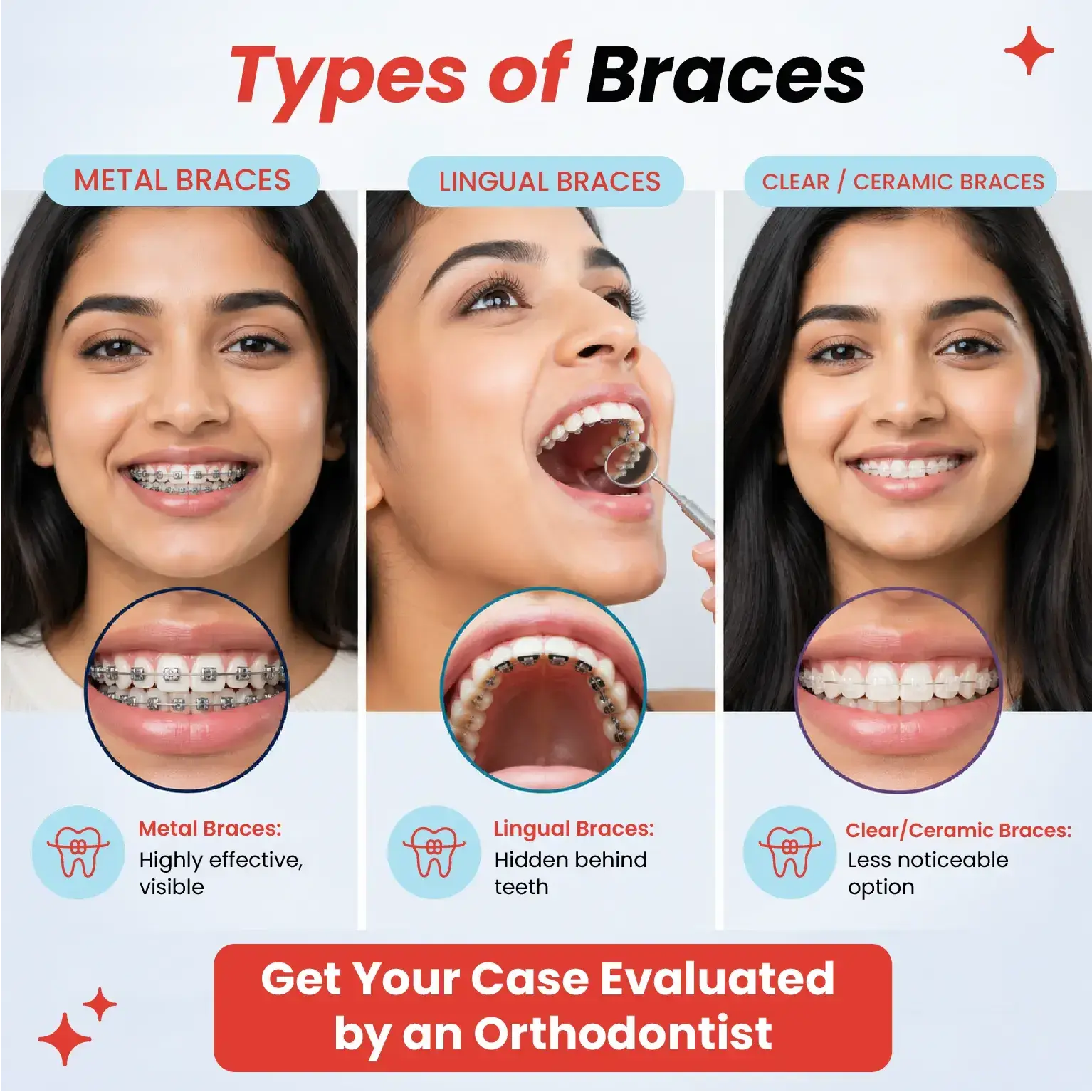
There are different types of braces available on the market; each is designed to straighten teeth, but they look different. Types of fixed braces:
- Metal Braces: When you think of fixed braces, your mind often goes to traditional metal braces. These are some of the most widely used and highly effective methods for correcting a wide range of alignment issues.
Metal braces use durable stainless steel brackets and wires to gently move your teeth into the desired position over time.
- Lingual Braces: If the thought of being seen with braces is still stopping you from getting your smile transformation done, then stop and opt for lingual braces. Lingual braces are a type of fixed braces that are placed on the inner (back) surface of your teeth, making them almost invisible from the outside.
- Clear Braces: If discretion is your priority, you will love clear braces. Clear braces use the same methodology as fixed braces, but the brackets of clear braces are fitted across the front surface of your teeth, where wires and bands assist in gently applying the pressure to your teeth to guide them to the desired position.
- Ceramic Braces: Ceramic braces are similar to clear braces in appearance; their design makes them a popular choice for those seeking an aesthetic option without compromising effectiveness.
Ceramic brace brackets blend with the natural color, making them concealed throughout the treatment. Clear braces work as effectively as fixed braces but are less visible.
How Do Fixed Braces Work?
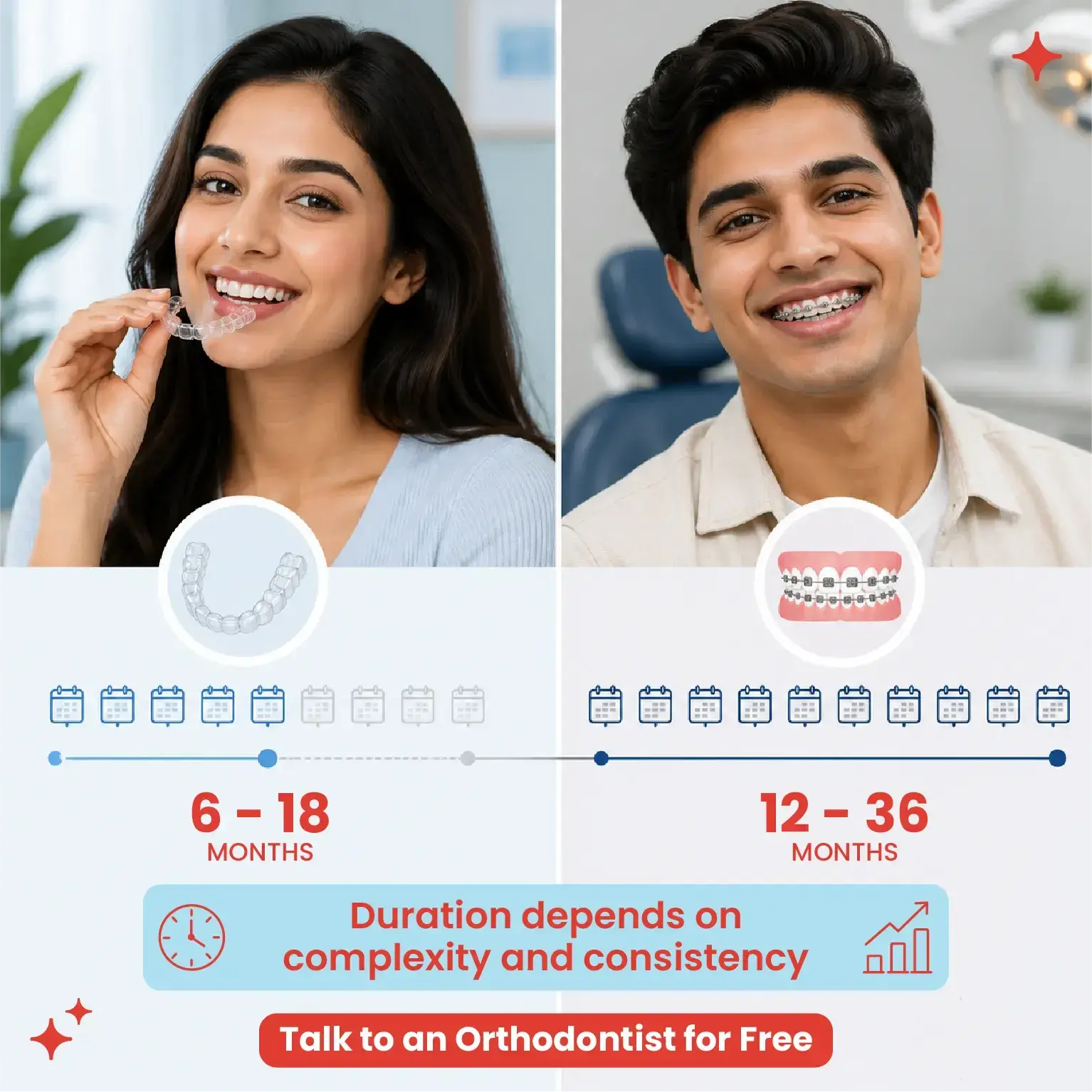
Fixed braces work by applying gentle, continuous pressure to gradually move teeth into the correct position over time. This controlled force allows the teeth to shift while the surrounding bone adapts, ensuring stable and long-lasting results.
Step-by-Step process of how braces work:
- Bracket Placement: There are small brackets that are carefully attached to each tooth using a dental adhesive, and these brackets act as anchors that help guide tooth movement throughout the treatment.
- Archwire Activation: A thin wire, called an archwire, is placed through the brackets. This wire applies consistent pressure, which helps shift the teeth into the desired position. It is adjusted periodically to ensure steady progress.
- Elastics and Adjustments: In some cases, small elastic bands are used along with the wire to improve bite alignment and enhance precision. Regular adjustments by the orthodontist help maintain the right amount of pressure.
- Bone Remodeling: As pressure is applied, the bone around the teeth gradually reshapes to support their new position. This is a natural biological process that makes fixed braces effective for long-term results.
What is the Difference Between Removable & Fixed Braces?
Differences | Removable Options: Teeth aligners/ removable braces | Fixed Braces: Clear braces, metal braces, etc. |
|---|---|---|
Visibility | Clear and nearly invisible, ideal for someone looking for a discreet treatment option | Metal braces are visible, and clear braces are less noticeable |
Cost | Start at ₹52,999 and can go up to ₹130,000 | Braces can start from ₹35,000 and can go up to ₹90,000 |
Removability | Can be removed at the time of eating, drinking, brushing, or flossing | Non-removable and fixed throughout the treatment plan |
Comfort | Has smooth plastic trays that offer comfort and minimal irritation | Brackets and wires may cause slight discomfort or irritation |
Treatment complexity | Best suited for mild-to-moderate orthodontic cases | Best suited for mild-to-complex orthodontic cases |
How long to wear? | Should be worn for 20 to 22 hours a day | Since they are fixed and non-removable, they are continuously worn |
Number of clinics visits | Fewer dental visits are needed | Regular clinic visits are required for tightening and adjustments |
Who is it suitable for? | Adults, professionals, students, or anyone who is looking to opt for a clear, aesthetic, and subtle removable option for treating mild to moderate misalignment issues | Individuals who are facing complex alignment or bite issues may require fixed braces to manage the condition |
Benefits | Discreet appearance, flexible, removable, easy to clean, and lifestyle-friendly | Has strong control and is effective at treating complex orthodontic conditions. |
Food restrictions | No major food restrictions are present, but they should be removed at the time of eating | Avoid hard, sticky, or chewy foods that can damage braces |
Treatment Duration | Typically takes 6 to 15 months, depending on the case and consistency of wear | Usually 12 to 36 months or longer, depending on complexity |
Removable Braces or Fixed Braces: Which Is Better?
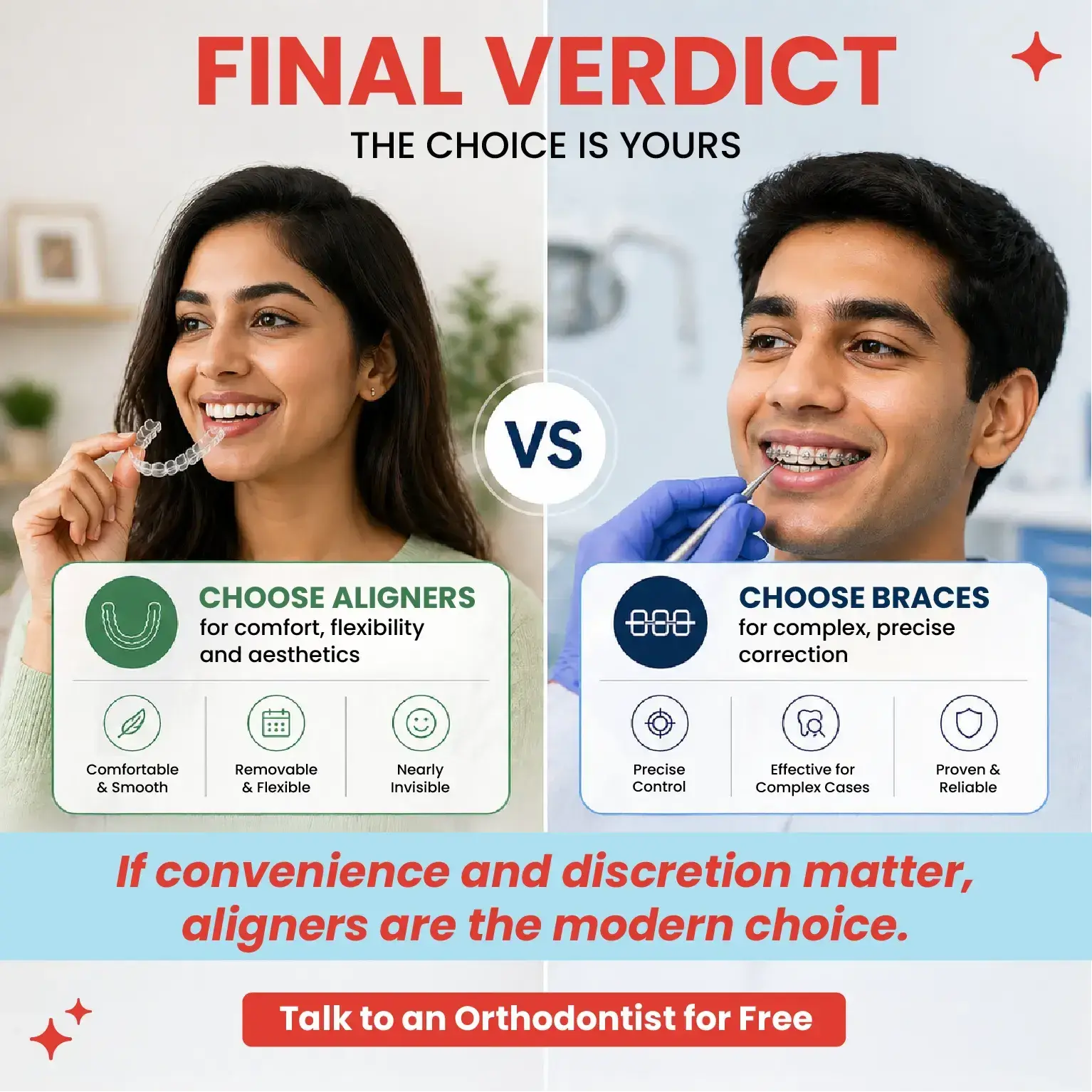
The choice between removable braces (such as clear or invisible aligners) and fixed braces depends on factors such as your dental condition, treatment complexity, lifestyle, and personal preferences.
For mild, moderate, and complex alignment orthodontic issues like gaps, slight crowding, or minor bite concerns, removable braces like clear aligners are the preferred choice. They offer a high level of convenience, as they can be easily removed while eating, brushing, or during social and professional situations. Their nearly invisible appearance also makes them especially appealing to adults and teenagers seeking a more discreet orthodontic solution.
In addition to aesthetics, removable braces are designed for comfort and flexibility. With no wires or brackets, they reduce the risk of irritation and help you maintain better oral hygiene throughout treatment.
Talk to our orthodontists for free, or visit your nearest dental clinic to get started!