

How to Prevent Hair Fall?
BDS (Cosmetology). Experienced cosmetologist specializing in advanced skin, laser, injectables, body contouring, & trichology treatments.
Updated on August 5, 2026
Hair Fall is one of the most common concerns affecting both men and women. While losing 50 to 100 strands of hair in a day is considered a normal part of the hair growth cycle, excessive shedding, visible thinning, or a widening part line may indicate an underlying problem that needs attention.
According to the American Academy of Dermatology (AAD), persistent Hair Fall can be caused by factors such as genetics, nutritional deficiencies, hormonal changes, stress, certain medical conditions, or scalp disorders.
People with hair fall problems look for ways to prevent hair fall and rely on shampoos, oils, or home remedies. Although these are temporary solutions that can support scalp health and reduce temporary hair shedding, they cannot address the underlying hair-fall reason. In fact, research published in the Journal of Cosmetic Dermatology highlights that early diagnosis and targeted treatment improve outcomes in many common forms of hair loss, especially androgenetic alopecia.


The best way to prevent hair fall is to identify its underlying cause. Healthy nutrition, scalp care, stress management, and clinically proven topical treatments can reduce temporary hair shedding.
If hair fall continues for more than three months or is caused by genetics or hormonal changes, dermatologist-led treatments such as Hair PRP, GFC Hair Treatment or mesotherapy may offer better long-term results.
Book your FREE consultation today and take the first step towards healthier, stronger hair with MakeO!
What Causes Hair Fall?
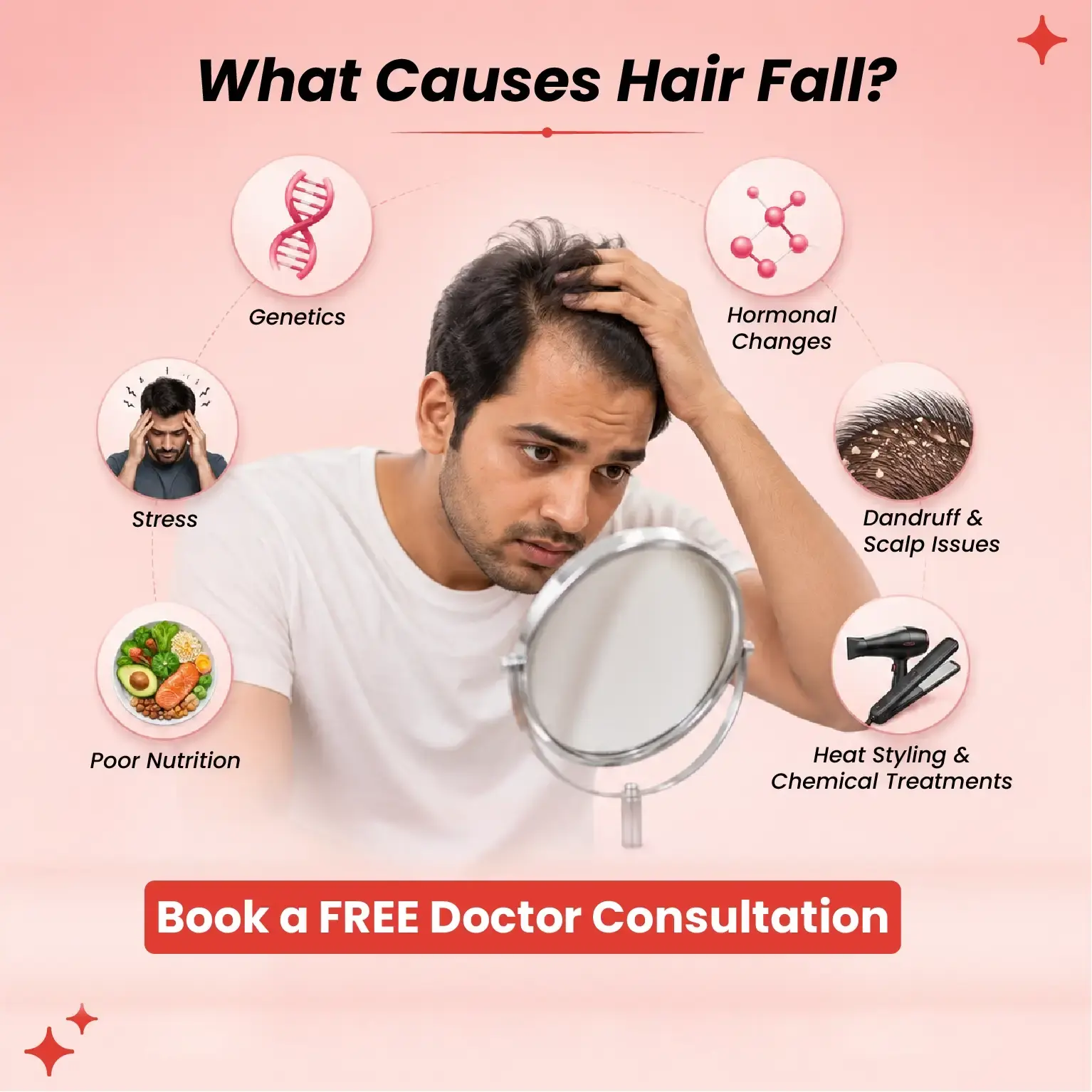
The causes of hair fall are many, but understanding the hair fall reason is the first step toward finding the right hair fall solution. While losing 50 to 100 strands of hair daily is a normal part of the hair growth cycle, excessive shedding, thinning, or a widening part line may indicate an underlying issue that needs attention.
Several factors can contribute to hair fall, and identifying the underlying cause is essential for choosing the right hair fall solution. Common causes include:
- Genetics: Hereditary conditions like androgenetic alopecia are one of the most common causes of persistent hair loss.
- Chronic stress: Physical or emotional stress can disrupt the hair growth cycle, leading to excessive shedding.
- Nutritional deficiencies: Low levels of protein, iron, vitamin D, vitamin B12, or zinc can weaken hair and increase hair fall.
- Hormonal changes: Pregnancy, menopause, thyroid disorders, and conditions like PCOS can trigger hair thinning.
- Dandruff and scalp infections: An unhealthy scalp can cause inflammation, irritation, and increased hair shedding.
- Frequent heat styling and chemical treatments: Excessive use of heat tools, hair coloring, bleaching, or chemical straightening can damage the hair shaft and contribute to breakage.
Why Is Gen Z Losing Hair?
Hair Fall is becoming increasingly common among Gen Z, with dermatologists reporting more patients in their 20s and early 30s seeking treatment for excessive shedding and early hair thinning.
Common reasons why Gen Z is experiencing hair fall:
- Chronic stress from academics, work, and social media.
- Poor nutrition, including low intake of protein, iron, vitamin D, and zinc.
- Lack of sleep and excessive screen time.
- Frequent heat styling, coloring, and chemical treatments.
- Hormonal conditions such as PCOS, thyroid disorders, or early-onset patterned hair loss.
How to Prevent Hair Fall?
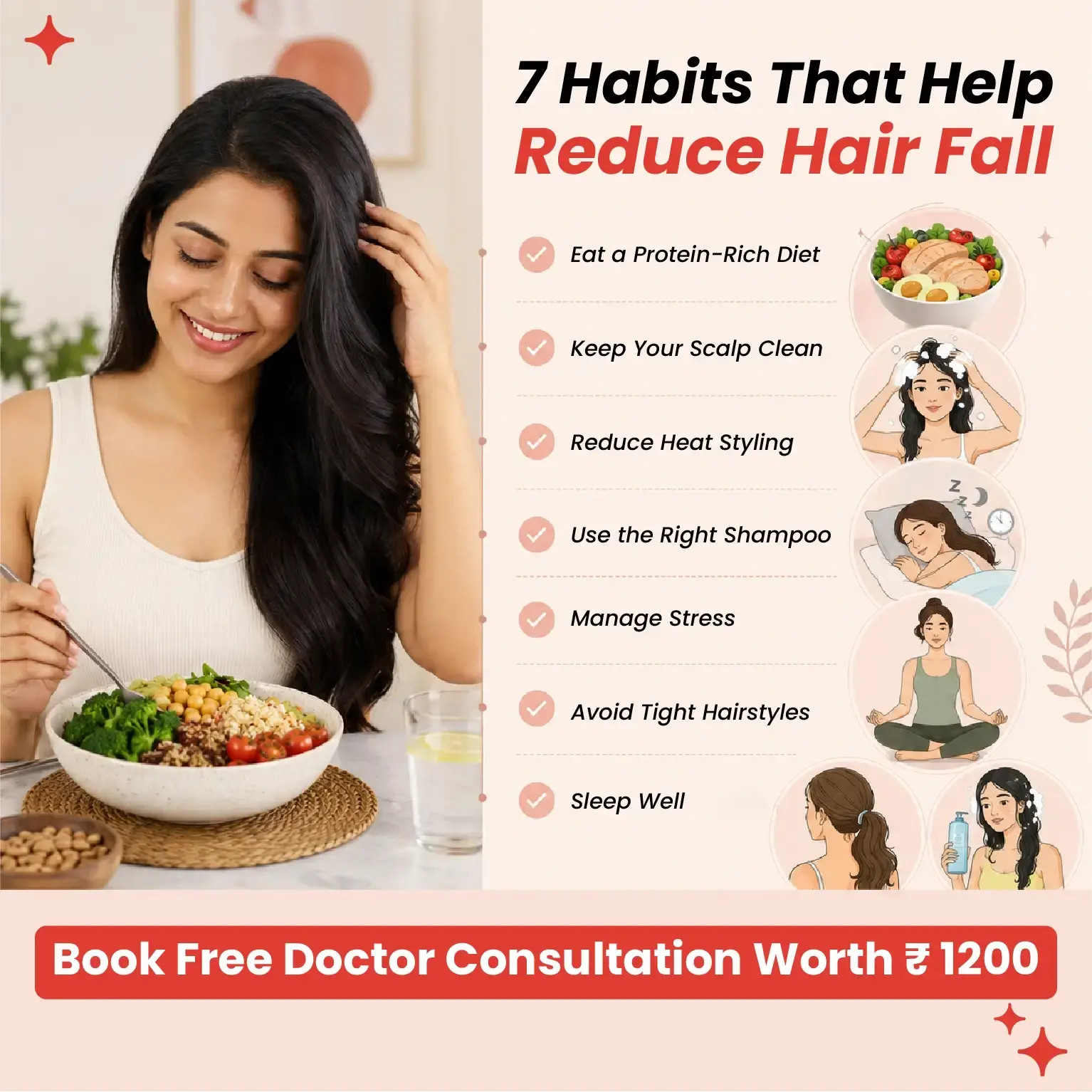
Preventing hair fall starts with healthy habits, along with timely treatment. Natural remedies and good hair care can slow down temporary hair shedding. But if the real cause is genetic, hormonal, or medical, habits alone won't fix it; you will need proper treatment too.
1. Eat a Protein- and Iron-Rich Diet
Hair is primarily made of protein, so a lack of protein, iron, zinc, or vitamins like D and B12 can weaken hair and increase shedding. Try to add proteins, leafy greens, eggs, nuts, and seeds in your diet to support healthy hair growth.
2. Keep Your Scalp Clean and Treat Dandruff Early
A healthy scalp creates the right environment for healthy hair growth. So now you might be thinking, can dandruff cause hair fall? Yes. While dandruff doesn't permanently damage hair follicles, the inflammation and constant scratching can increase hair shedding.
3. Minimize Heat Styling and Chemical Treatments
Frequent use of straighteners, curling irons, bleaching, coloring, and chemical smoothing treatments can weaken the hair shaft, leading to breakage. Limiting heat exposure and using protective products can help reduce damage.
4. Manage Stress and Prioritize Sleep
Chronic stress and poor sleep can disrupt the hair growth cycle, leading to excessive shedding. Regular exercise, mindfulness practices, and 7 to 8 hours of quality sleep can help support overall hair health.
5. Avoid Tight Hairstyles
Hairstyles such as tight ponytails, buns, and braids can place continuous tension on the hair follicles, leading to traction alopecia. Wearing your hair loosely can help prevent unnecessary stress on the scalp.
6. Choose the Best Shampoo for Your Scalp Type
The best shampoo for hair fall is one that's suited to your scalp concerns, whether that's dandruff, excess oil, an itchy scalp, or dryness. Ingredients like ketoconazole or salicylic acid can improve scalp health, but it's important to remember that shampoos primarily cleanse the scalp and cannot reverse pattern hair loss or reactivate weakened hair follicles on their own.
To prevent hair fall, you must consider getting a hair fall treatment from a professional Hair Clinic or consult hair doctors who will help you with an effective hair fall solution and the right hair fall treatment plan.
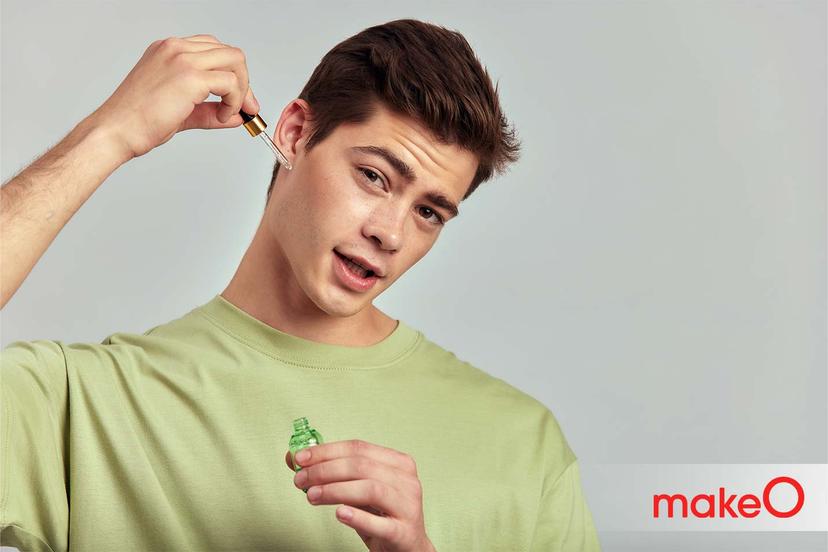
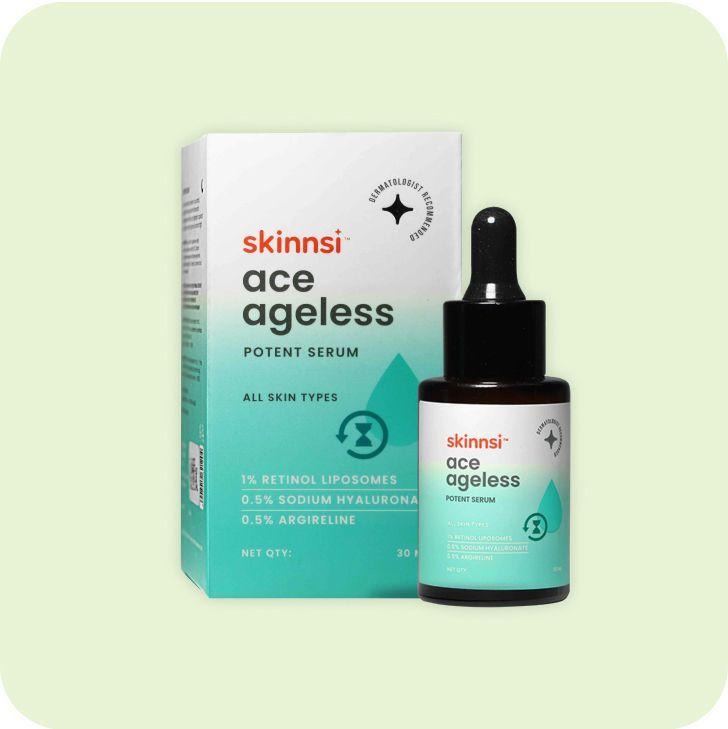
7. Incorporate Hair Serums for Targeted Hair Fall Control
Hair serums can be an effective hair fall solution, as they contain clinically studied ingredients that target the underlying hair fall reason rather than simply coating the hair. Unlike shampoos, leave-in serums remain on the scalp longer, allowing active ingredients to work directly around the hair follicles.
Some ingredients with growing scientific evidence include:
- Minoxidil: One of the most well-studied topical treatments for hair fall. It is FDA-approved for androgenetic alopecia and has been shown to prolong the hair growth (anagen) phase, helping reduce hair shedding and stimulate new hair growth with consistent use.
- Redensyl: A plant-based active ingredient that targets hair follicle stem cells. Clinical studies suggest it may improve hair density and reduce hair fall by supporting the hair growth cycle, making it a popular non-minoxidil option in cosmetic hair serums.
- Rice Water Extract: Rich in amino acids, antioxidants, and inositol, rice water may help strengthen the hair shaft, improve hair elasticity, and reduce breakage. While research supporting its ability to regrow hair is still limited, it can contribute to healthier-looking hair as part of a broader hair care routine.
While topical serums can help control hair fall, they may not be suitable if you have excessive hair fall. In such cases, dermatologist-recommended hair fall treatment, such as PRP or GFC Therapy, addresses the problem at the follicle level and may provide more effective, long-term results. Combining professional treatment with evidence-based topical products often delivers the best outcomes.
At MakeO Hair Clinic, experienced dermatologists identify the exact cause of your hair loss through a detailed scalp assessment before recommending personalized treatments such as PRP or GFC Therapy. Instead of relying on trial and error, you receive a science-backed hair fall solution designed to strengthen hair follicles, reduce ongoing shedding, and support healthier hair growth.
Start your personalized hair fall treatment journey with MakeO
How to Stop Hair Fall?
Home remedies and lifestyle changes work best for temporary hair shedding caused by stress, poor nutrition, or seasonal changes. However, if the underlying cause of hair fall is genetic, hormonal, or medical, you may need professional hair fall treatment for effective, long-term hair fall control.
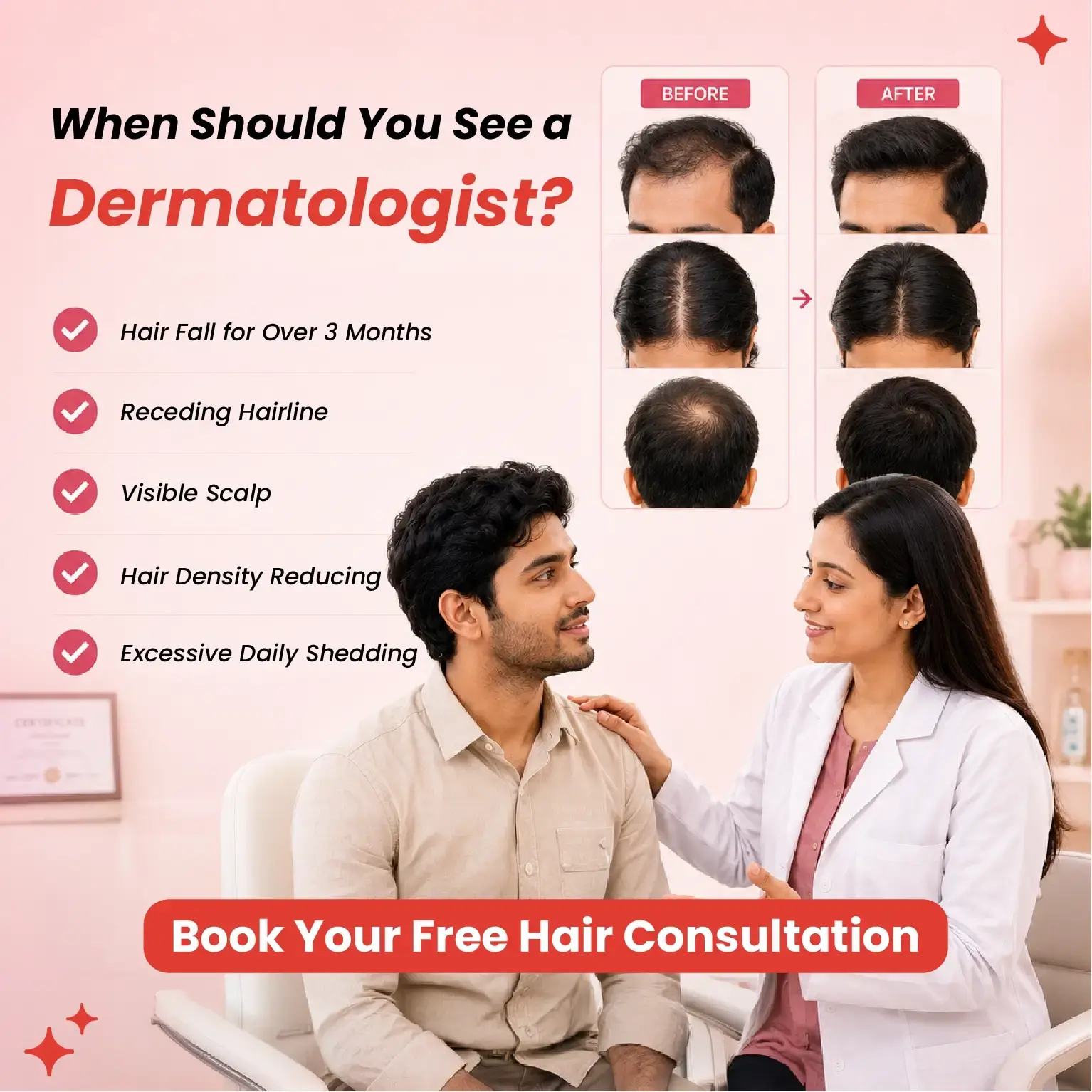
Signs when you should see a dermatologist for hair fall
- Hair fall lasting for more than 3 months
- A visible scalp or reduced hair density
- A receding hairline
- A widening hair part
- Rapid hair thinning despite following a healthy routine
Early diagnosis can identify the exact hair fall reason and improve treatment outcomes before hair loss becomes more advanced.
At MakeO Hair Clinic, we bring a team of professional hair doctors who assess your scalp and hair health to recommend a personalized hair fall solution. Depending on your condition, treatments such as PRP and GFC Therapy are designed to strengthen weakened hair follicles, reduce ongoing hair fall, and promote healthier hair growth.
The sooner you seek the right hair fall treatment, the better your chances of preserving your existing hair and achieving long-term hair fall control.
Read More: Can dandruff cause hair fall?
Hair Fall Treatments That Actually Work
When certain hair fall tips and solutions don't seem to work along with home remedies and topical methods, professional hair fall treatments can come to the rescue and offer an advanced and effective hair fall solution. Hair fall treatments are designed to target the underlying hair fall reason, where the dermatologist-recommended treatment works to prevent hair fall effectively.
Hair Fall Treatment | Best For | Price |
|---|---|---|
PRP Therapy | Early hair thinning and increased hair shedding | At MakeO Skin & Hair Clinic, Hair PRP Treatment starts at ₹2,000 to ₹7,000, so book your session now. |
GFC Therapy | Moderate hair loss and weakened hair follicles | At MakeO Skin & Hair Clinic, GFC treatment starts at just ₹2,500 - ₹10,000 per session, making advanced regenerative hair fall treatment more accessible without compromising on quality. |
Mesotherapy | Hair fall caused by nutritional deficiencies, early-stage thinning, and improving scalp nourishment | At MakeO Skin & Hair Clinic, Mesotherapy starts at just ₹2,000 to ₹4,000 per session. |
How to Prevent Hair Fall with the Right Treatment?
At MakeO Skin & Hair Clinic, our team of dermatologists conducts a detailed scalp assessment to identify the underlying cause before recommending the most suitable treatment.
Depending on your hair fall condition, your doctor may recommend advanced treatments such as PRP, GFC Hair Treatment , Mesotherapy, Microneedling (Dermaroller), or a combination of hair fall treatments like Scalp Hydra or prescription medications to improve hair fall control and support healthier hair growth.
With US FDA-approved treatment protocols, evidence-based regenerative therapies, and personalized care, MakeO focuses on treating the root cause of hair fall rather than just the symptoms.
Book a FREE consultation with MakeO today and receive a customized hair fall solution designed to restore stronger, healthier, and fuller-looking hair.