

Teeth Aligners vs Braces: Everything You Need To Know!

MDS - Orthodontics, the Co-Founder & CEO of MakeO Toothsi. A certified lingual orthodontist with 15 years overall experience.
Updated on August 9, 2026

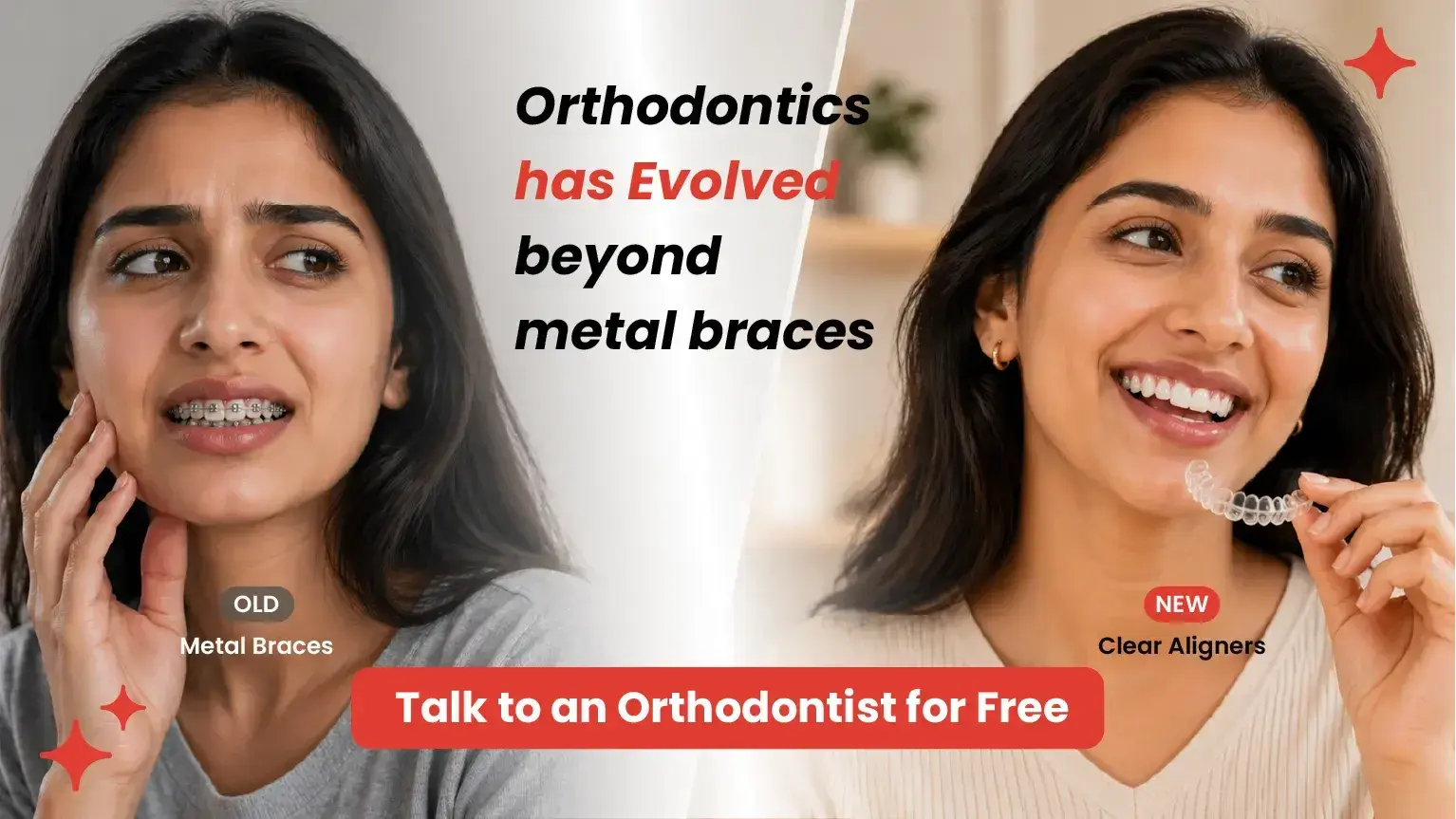
In the battle between teeth aligners vs braces, there is no clear winner. What you choose depends on the orthodontic issue you have, your lifestyle, and the kind of treatment you want to undergo.
While these orthodontic appliances deliver the same outcome, the processes you undergo during the treatment vary significantly. Thus, a basic understanding of both these is needed to make an informed choice.
Here’s everything you need to know when choosing between teeth braces and teeth aligners to fix your teeth alignment issue.
What Are Teeth Aligners?
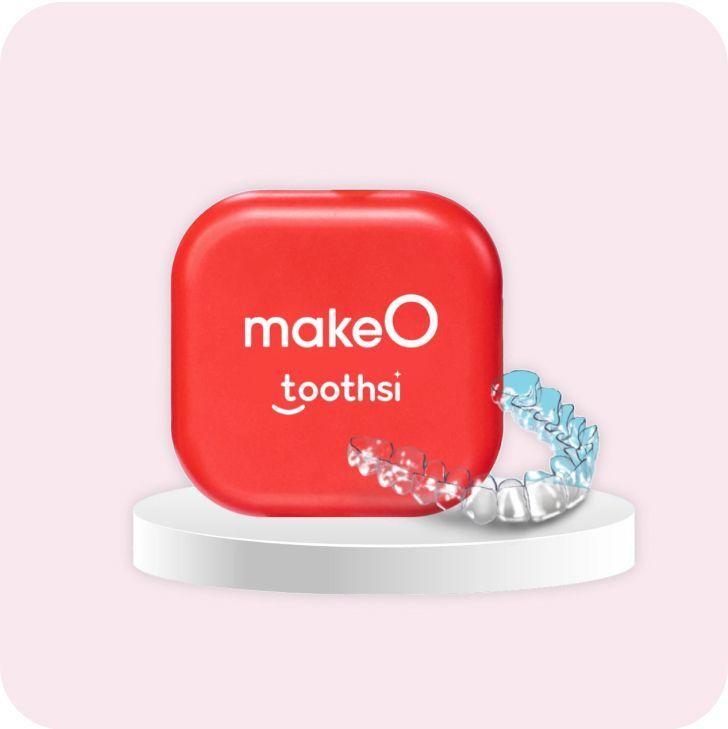
Teeth aligners are a set of thin, plastic-like, invisible trays that are personalized to fit the patient’s mouth. These are also called invisible braces or clear aligners, which apply consistent, mild pressure and move teeth into proper alignment.
It is worth noting that teeth aligner treatment (or Clear Aligner Therapy) is not the same for everyone. Depending on the complexity of the orthodontic issue, the cost and duration of clear aligner therapy vary.
Want to know which teeth aligner treatment is best for your issue? Book a free consultation with Toothsi’s orthodontist today!
What Are Teeth Braces?
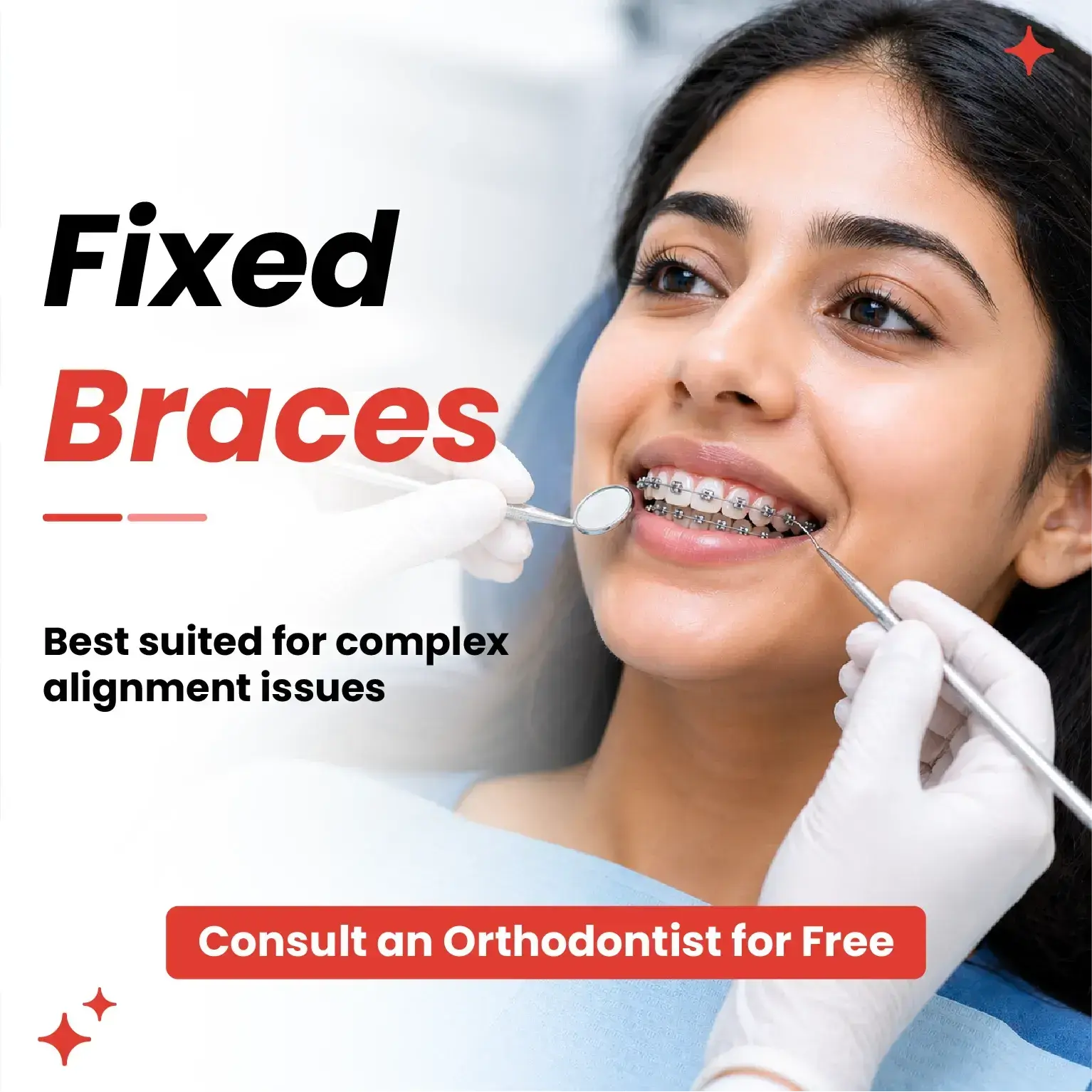
Teeth braces (or dental braces) are fixed orthodontic devices that fix teeth alignment and bite issues. Unlike teeth aligners, which are removable, braces for teeth are fixed (and can only be adjusted or removed by an orthodontist).
There are various types of braces for teeth:
- Metal Braces: The most popular type of traditional braces. They are known for their durability and affordability.
- Ceramic Braces: These are similar to metal braces but are subtler and less noticeable. That’s because they are tooth-colored. They are a bit more expensive than metal braces.
- Lingual Braces: Lingual braces are fixed and discreet because they are placed on the back of the teeth. Maintaining oral hygiene and cleaning these braces is tougher than with other traditional braces.
- Self-Ligating Braces: These are just like metal braces but are engineered differently. The ligatures are missing in these dental braces, replaced by an in-built system of elastic bands that hold the archwire together.
Interestingly, teeth aligners are also called invisible braces and can be categorized as dental braces. One of the major misconceptions is that teeth aligners are much more expensive than teeth braces.
You can check out Toothsi’s teeth braces price to explore more!
Are Teeth Aligners Better Than Teeth Braces?
Yes, teeth aligners indeed offer numerous advantages over traditional braces. But teeth aligners aren't better than teeth braces. So much so that both of these orthodontic devices have the same success rate of 88-90%. It just depends on personal preference, commitment, and treatment duration.
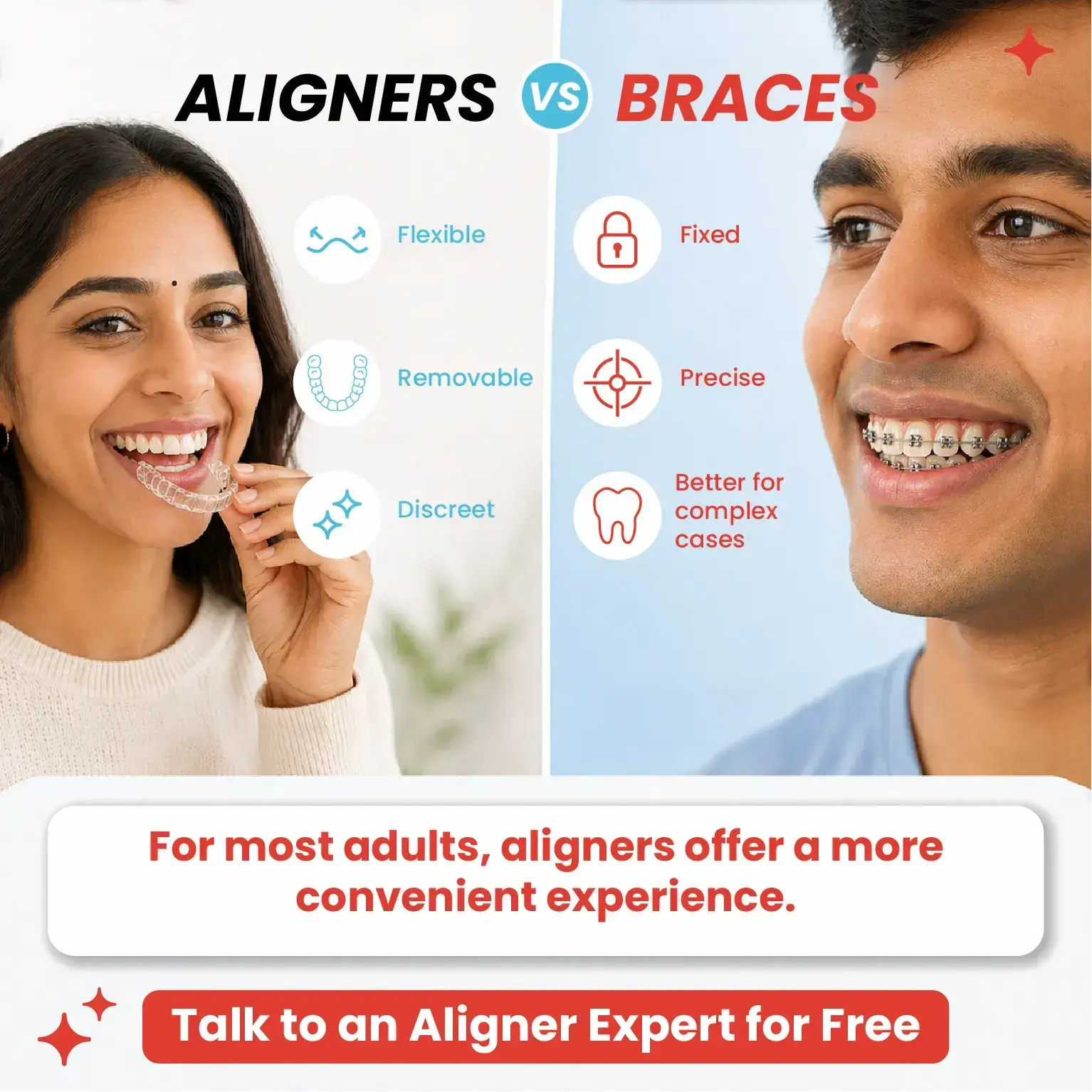
In the battle between teeth aligners and braces, the victor is chosen by the patient (not the orthodontist). Here are a few advantages of teeth aligners over teeth braces.
- Removable: Aligners can be removed without any professional help. This way, you can enjoy your favorite food or drink without thinking about oral irritations.
- Nearly Invisible: Teeth aligners are called "invisible braces" because of this characteristic. While aligners for teeth work like braces, they are near-invisible (and hence discreet).
- Better Oral Hygiene: As aligners are removable, you can take them off and brush or floss your teeth. You can even remove them during meals, which helps prevent food particle accumulation in the pockets (created by orthodontic devices), leading to better oral hygiene.
Learn More: Aligners VS Braces: Cost, Comfort & Results Compared
What Are The Disadvantages Of Teeth Aligners?
Although dental aligners have many advantages over traditional braces, they also have inherent disadvantages. Here are some of the downsides of teeth aligners.
Teeth Aligners Require High Commitment
Aligners can be removed and are extremely convenient. However, for optimal treatment outcomes, they must be worn for 20-22 hours daily. If you can’t maintain this, the results might get skewed.
A study showed that only 36% of patients had full compliance, while 38.3% and 25.7% had fair and poor compliance, respectively. Basically, 1 in 4 patients used the dental aligners poorly enough to hurt the treatment outcome.
This is perhaps one of the biggest challenges of Clear Aligner Therapy (CAT).
High Maintenance Of The Aligners
As these orthodontic devices are removable, you also have to take proper care of dental aligners. There are some steps you must take to maintain your aligners:
- You have to keep your aligners clean. For that, avoiding hot water is a must. Cleaning your teeth aligners with hot water can compromise their structural integrity, affecting the treatment outcome.
- Aligners are near-invisible trays, so proper cleaning is important to maintain this appearance. Also, cleaning keeps these devices fresh and odor-free throughout your CAT.
- It is also important to store them in the aligner case. Because of their invisibility, patients are at high risk of misplacing or losing them.
Want to know more about how you can maintain your teeth aligners? Check out: How to Use Aligners Correctly
Outcomes Dependent On Aligners’ Material
The materials used in teeth aligners are another factor of paramount importance. The aligner material is what makes it safe and biocompatible. Poor aligner materials can pose risks like:
- Microplastic shedding
- Compromising structural integrity
- Biocompatibility degradation
This can affect your dental health and your overall health. Hence, it is extremely important to choose aligners that are safe and good for you.
However, popular brands like Toothsi offer aligners that are BPA-free (Bisphenol A), which doesn't interfere with or mimic your hormonal activity at an affordable rate.
Explore More: Toothsi Teeth Aligners Price In India
How Do I Know If I Need Invisible Aligners Or Teeth Braces?

Choosing between teeth aligners vs braces can be a tough nut to crack. However, here are some questions to ask yourself when choosing one.
Will I be able to wear my aligner as prescribed by the orthodontist?
Patient compliance is one of the major things that determines your choice. If you can commit to wearing dental aligners for 20-22 hours, there's nothing better than choosing them.
On the contrary, if you aren’t sure about yourself (and if you can commit), it’s better to opt for fixed orthodontic devices like self-ligating, ceramic, or metal braces.
Do I need to remove my orthodontic device (if needed) without visiting a dental clinic?
Dental braces are fixed. So, you need a dental appointment to adjust or remove it. With this comes the indirect cost of frequent visits to the orthodontist. If you want to avoid this, you can opt for aligners.
If you are okay with frequent dental visits and actually prefer them over remote consultations or diagnoses, you can go for teeth braces.
How much do I care about aesthetics?
If you are self-conscious about your aesthetics during teeth alignment treatment, then it’s best to choose invisible braces or clear aligners. On the other hand, if you’re not too focused on aesthetics, you can go for traditional braces.
Can I give up my favorite foods and drinks during treatment?
If your answer is yes, you should definitely go for braces. However, if your answer is no, then aligners are your go-to option. Patients can actually remove the aligners to enjoy their favorite drinks and dishes. Here, it should be noted that you have to wear your dental aligners 30 minutes after every meal (also called the 30-second rule for teeth aligners)
Better Judgment, Better Results
Indeed, metal braces can be fascinating, as they offer numerous colors you can show off.
However, you should opt for an orthodontic treatment that is comfortable and best suited to your needs. If you are looking for the best teeth aligners in India, MakeO Toothsi is your ultimate destination.
We offer the best smile makeover treatments to ensure your orthodontic issues are fixed, you have a celeb-like smile, and your overall oral health improves. For more information, get in touch with us today!
Key Takeaways
- No universal winner. Aligners and braces have similar success rates (88-90%). The right choice depends on your lifestyle, budget, and personal preferences, not on which one is objectively "better."
- Aligners demand discipline. They must be worn 20-22 hours a day to work well. Studies show only about 36% of patients fully comply, so results can suffer without commitment.
- Braces need less daily effort but more dental visits. Since they are fixed, only an orthodontist can adjust or remove them. This means more frequent clinic appointments compared to aligners.
- Aligner quality matters. Cheap or poor-quality materials can pose risks like microplastic shedding and hormone-disrupting chemicals. Choosing a trusted, BPA-free brand is important for safety and results.