

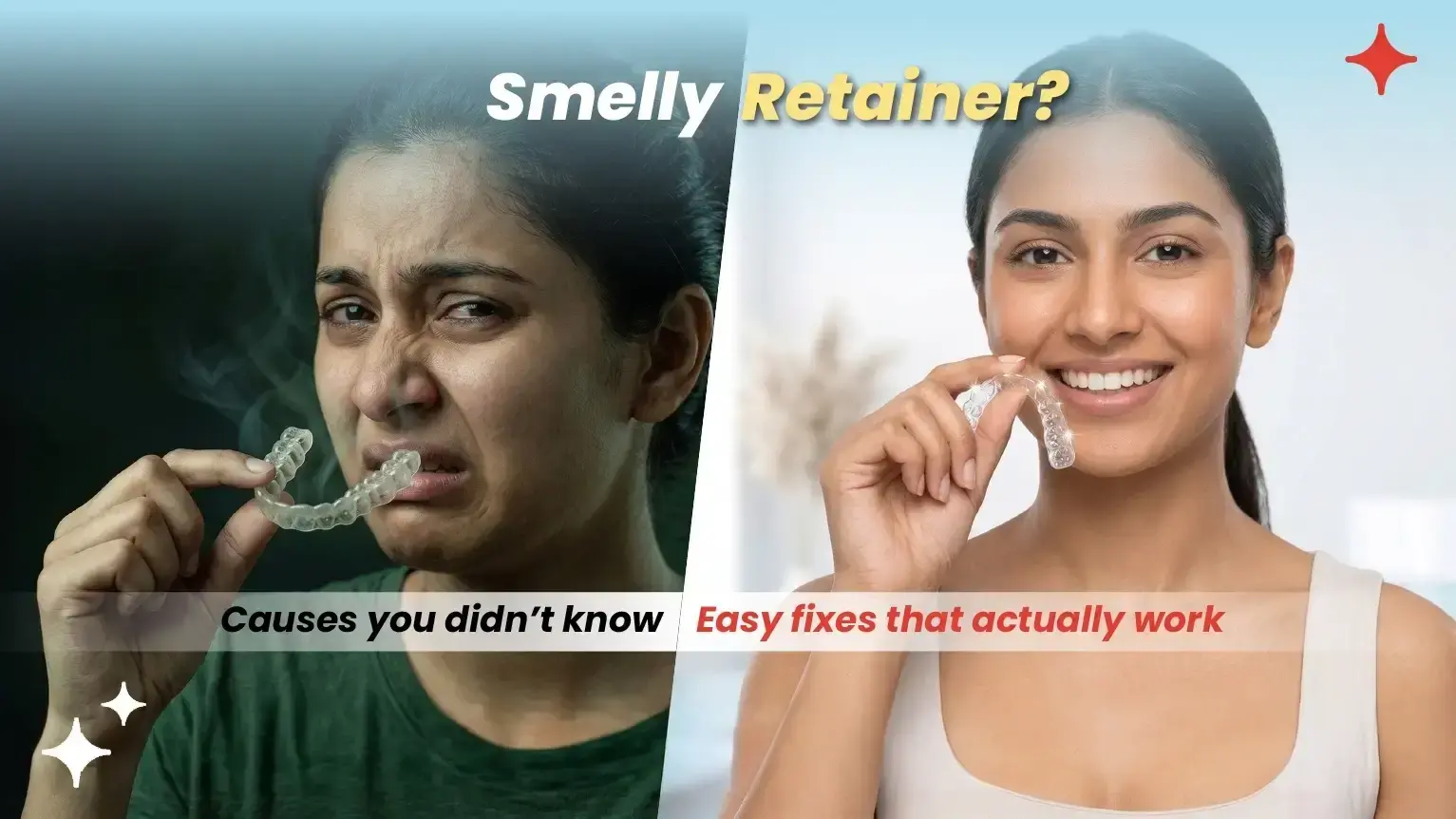
Does Your Retainer Smell? Causes and Easy Fixes Explained

MDS - Orthodontics, the Co-Founder & CEO of MakeO Toothsi. A certified lingual orthodontist with 15 years overall experience.
Updated on April 15, 2026

Some people think retainers are just a pain, but they're not; they're your supporter in keeping your aligned smile intact for years. Also, retainers are an important part of dental They play a crucial role in preventing teeth from shifting back to their original positions.
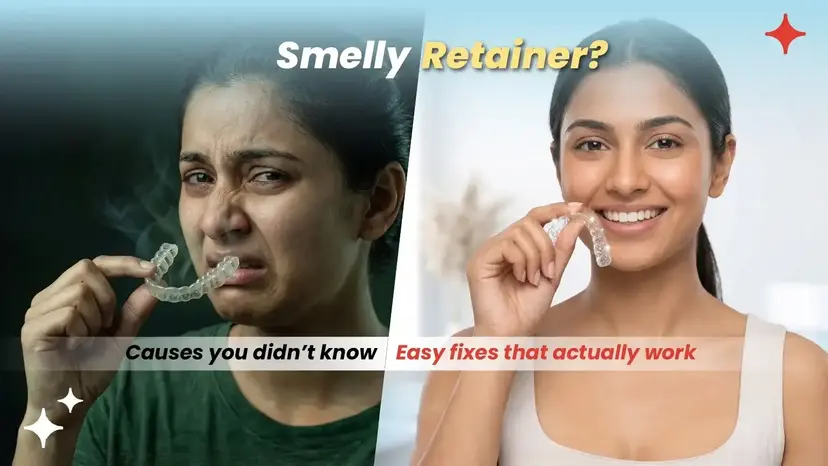
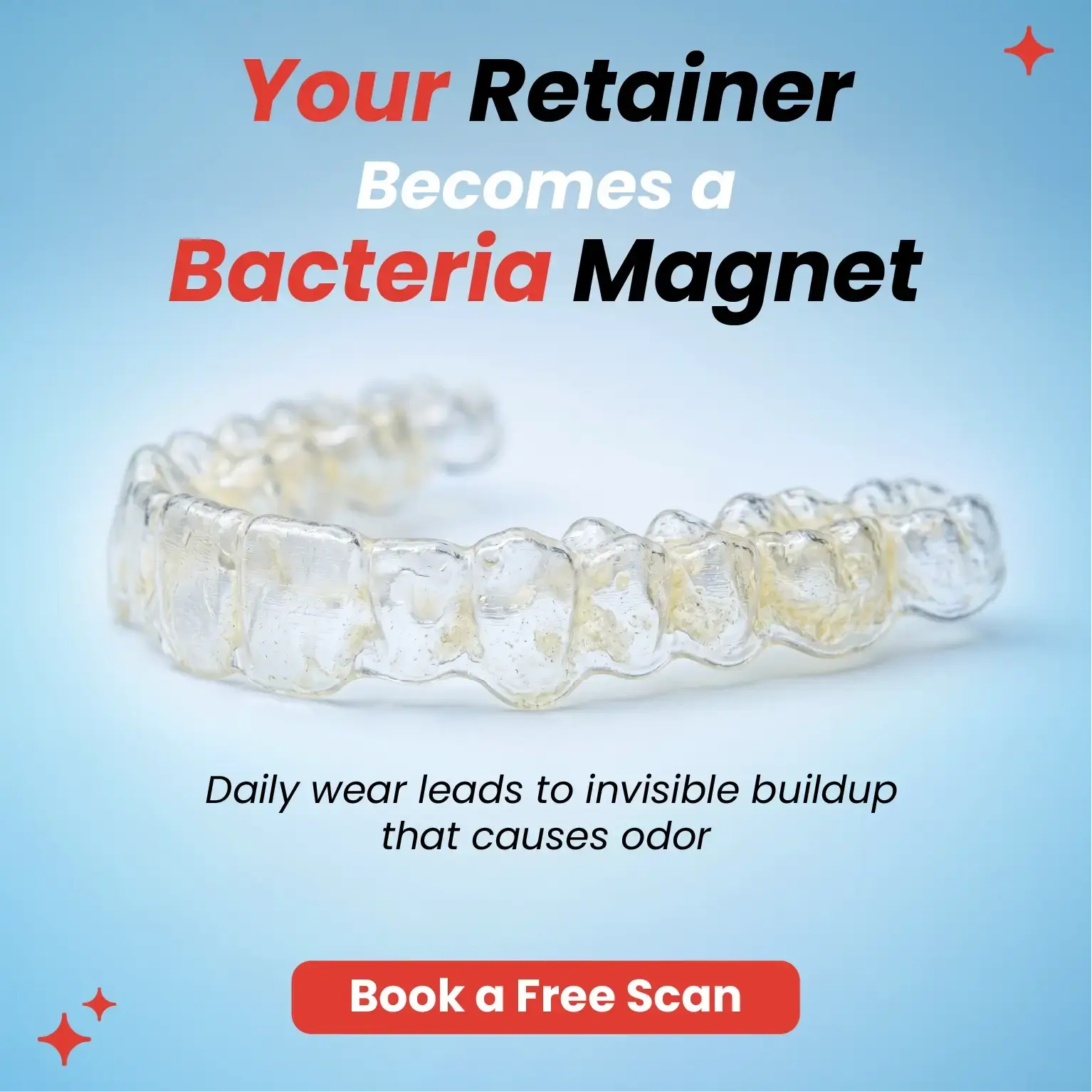
However, if you’ve been wearing your teeth retainers as prescribed, you may have noticed they start to smell after a while. This is because bacteria and plaque can build up on the retainer, and when combined with saliva, they create an unpleasant odor.
Luckily, there are ways to deep clean your retainers and remove the bacteria that cause the smell. At Toothsi, we know that keeping your smile straight is only half the battle, but keeping your retainer fresh and hygienic matters just as much!
In this guide, we're breaking down exactly why your retainer smells, sharing simple cleaning hacks that actually work, and giving you long-term strategies to keep your teeth retainer as fresh as the day you got it.
Book an appointment at your nearest dental clinic for expert guidance on retainer care and maintaining your results.
Why Do Retainers Start to Smell in the First Place?

Saliva proteins
Saliva contains proteins, minerals, and enzymes that coat your teeth and retainer every second you wear them.
These proteins create a thin film on your clear retainer that hardens into crusty deposits over time. Calcium and other minerals from your saliva crystallize on your dental retainer, creating a chalky buildup that traps odors.
You can think of it as a hard water stain on your shower door, but in your mouth! While permanent retainers and fixed retainers get some natural cleaning from tongue movement and saliva flow, clear retainers accumulate these deposits rapidly.
Bacteria buildup
Every time you wear your clear retainer, bacteria transfer from your teeth and tongue onto the plastic surface of it. These microscopic troublemakers set up camp in tiny grooves and pores of your dental retainer, forming a sticky biofilm that you can't see.
Unlike permanent retainers or fixed retainers that get cleaned when you brush your teeth, clear retainers spend hours in your mouth collecting bacteria, then sit in cases where these bacteria multiply.
Your ortho retainer becomes a bacterial playground, producing that distinctive, funky smell. The longer bacteria stay there without being disturbed, the stronger the odor becomes, turning your once-fresh retainer into a stink factory!

Wearing it after meals
Wearing your teeth retainer after meals traps tiny food debris between the retainer and your teeth, creating a space for bacteria.
Sugars from your snack ferment against your clear retainer, producing acids and gases that smell terrible. Even coffee or juice residue clinging to your teeth gets sealed in by your ortho retainer, intensifying odors.
What Are Some Tips to Remove Retainer Odor
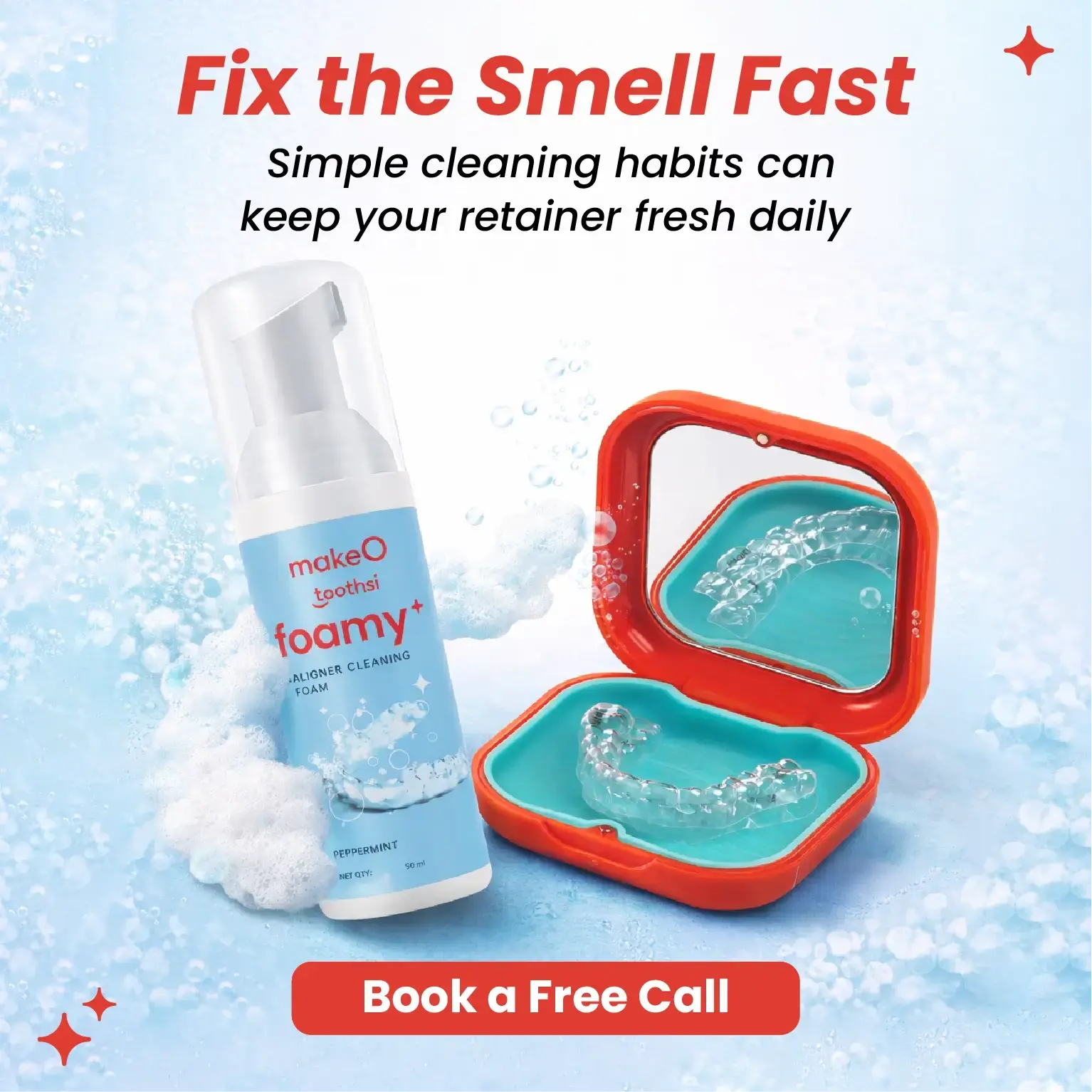
There are some quick-fix tricks that you can follow to keep your teeth retainers odor-free:
- Retainer Cleaning Foam:
Use retainer cleaning foam like the one by Toothsi to clean your retainer. This cleansing foam contains ingredients like peppermint, which helps reduce smell. The best way to use this foam is to apply it to the retainer for around 30 seconds and then wash it with water. Use the same step after the next use.
- Baking Soda
Baking soda is one of the most effective ways to keep your teeth retainers free from smells. You can find baking soda in your kitchen. Baking soda effectively prevents the growth of harmful bacteria. As it can naturally regulate the pH level of your mouth, it prevents the growth of bacteria that are the root cause of issues in the mouth. It helps address this issue by neutralizing the mouth’s pH and rebalancing the oral microbiome.
- Soaking solutions
Your teeth retainer can be kept clean and germ-free by soaking it once every few days in a solution of white vinegar for fifteen minutes. After soaking it in vinegar, your retainer needs to be completely rinsed, and then you should place it in a container made of stainless steel and filled with distilled water.
- Using Castile Soap
Castile soap is a cleaning product with low toxicity. It is readily available at most retail shops, but people can make their own using a solution of olive oil and coconut soap.
Castile soap can be used to clean dental retainers. Mix a very small amount of the soap with warm water, then gently scrub your retainer with a toothbrush after dipping it into the mixture.
It is recommended that the retainer be left to soak for two to three minutes before being washed again, if necessary. Then, rinse it with lukewarm water and either put it back in your mouth or in distilled water.
What to do if odor returns?
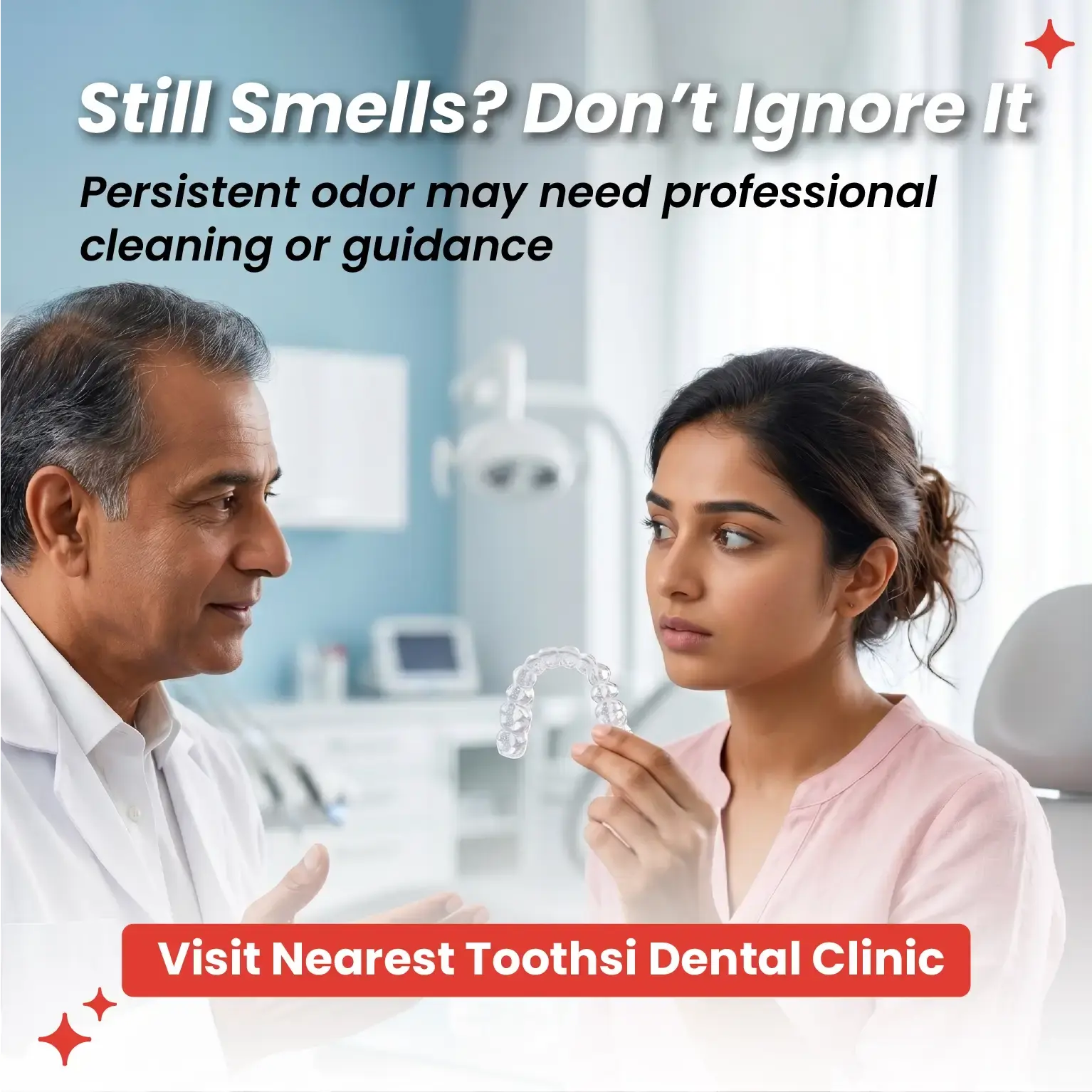
Even after following these retainer cleaning hacks, if you experience foul breath, it is important to visit our professional orthodontist. At our dental clinic we want our patients to have healthy smiles and retainers that smell good, too! We can help you find the best way to keep your retainers clean and smelling fresh.
Contact us today to learn more about how to take care of teeth retainers and maintain optimal oral health.
Long-Term Habits to Keep Your Retainer Smell-Free
Daily care
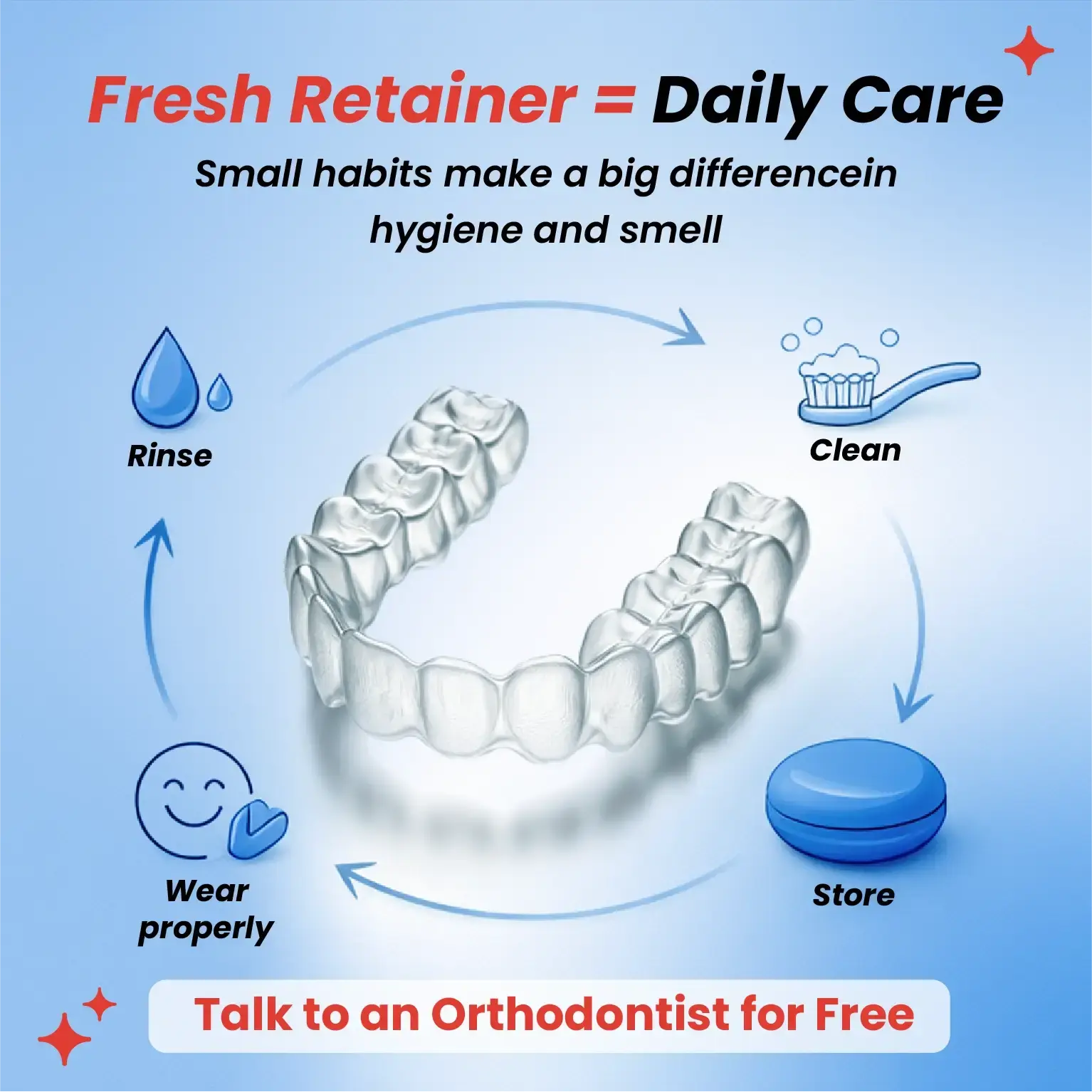
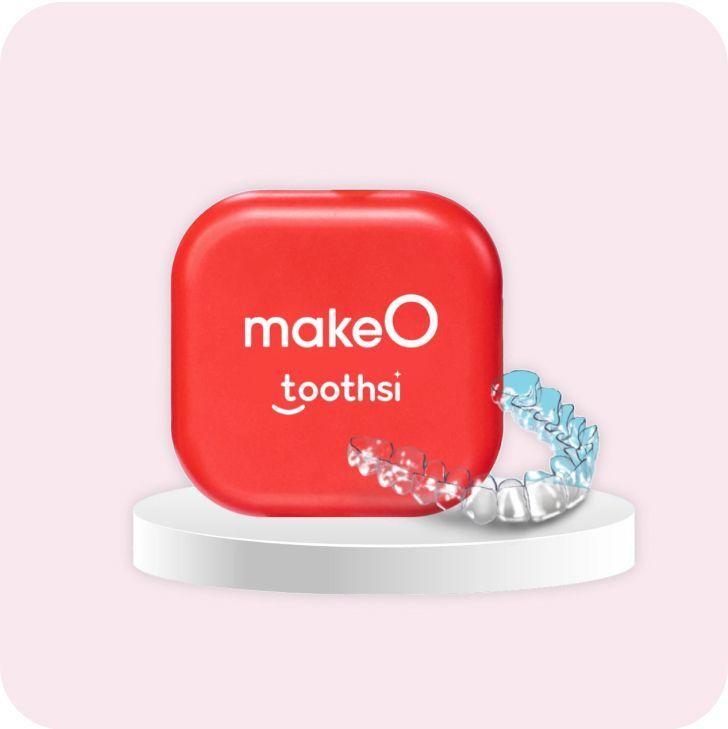
Clear retainers are just like your toothbrushes; they need daily care and attention. Try to rinse your clear retainer every time you remove it to wash away the debris or saliva.
Brush your dental retainers gently every day with a soft brush, or you can soak your ortho retainers in a cleaning solution like 3 to 4 times a week to kill bacteria or germs. If you have permanent or fixed retainers, you can start flossing with threaders to prevent any buildup.
Wearing habits
Always remove your teeth retainer before eating or drinking anything except water, as food particles are odor's best friend. Remove your clear retainer when consuming hot beverages. as heat can warp the material and trap odors.
Brush and floss thoroughly before reinserting the ortho retainer to avoid trapping bacteria against your teeth. If you have a permanent or fixed retainer, be extra diligent about oral hygiene, as you can't remove it for cleaning.
Storage mistakes to avoid
Never wrap your teeth retainer in a napkin or tissue; it's a one-way ticket to the trash! Always use a ventilated retainer case that allows air circulation; closed cases trap moisture and breed bacteria.
Avoid storing your clear retainer in hot places like your car dashboard or near heaters, as heat warps plastic and bakes in odors. Keep your dental retainer case clean, too. Try to wash it weekly with soap and water.
Keep Your Smile Perfect with Toothsi! Talk to an orthodontist for expert guidance!
Key Takeaways:
- Retainer odor is mainly caused by bacteria buildup, saliva deposits, and trapped food particles.
- Poor cleaning habits and improper storage can worsen smells over time.
- Simple solutions like baking soda, vinegar soaking, and cleaning foam can help remove odor effectively.
- Daily habits such as rinsing after use, brushing gently, and avoiding wearing retainers during meals are essential.
- Always store retainers in a clean, ventilated case to prevent moisture buildup.
- Avoid harmful practices like boiling retainers, as heat can damage them.
- Persistent odor, discoloration, or damage may indicate it’s time to replace the retainer or consult a dentist.
- Consistent hygiene is key to maintaining both retainer freshness and overall oral health.